
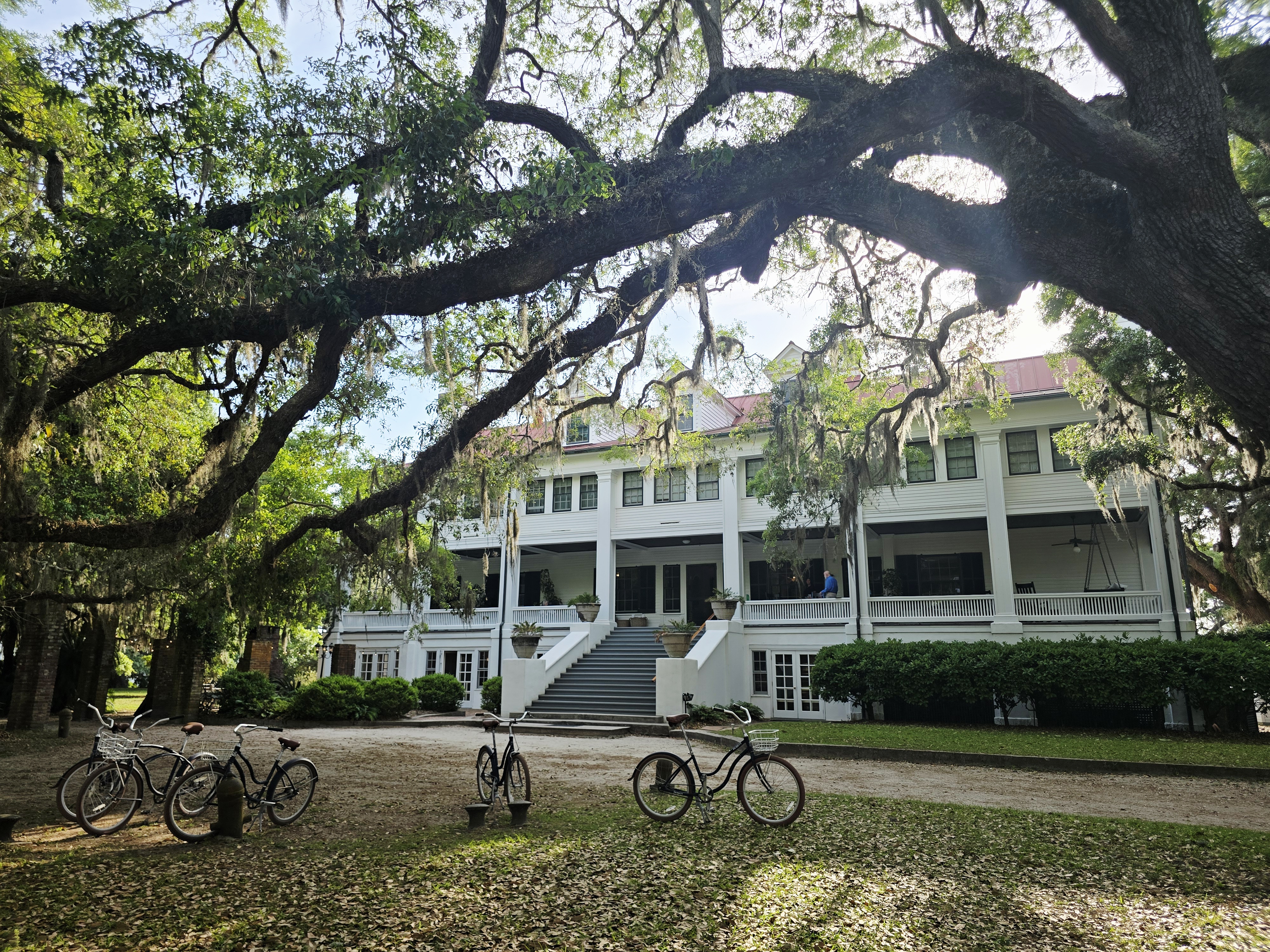
Ever since I read the book “Palindrome” by Stuart Woods in high school I’ve wanted to visit Cumberland Island. While the book is fiction, the setting of Greyfield Inn and Cumberland Island is not. The book describes a private island, an inn run by a storied family, and cottages throughout the island owned by the descendants of the same family but occupied only some of the year. It seemed too unreal to be true, but I learned that Cumberland Island was real, and instead of the Drummond family, the storied family was the Carnegie family. So in January, I booked a room for the end of April, the same week I would be in nearby Brunswick, Jekyll Island and Darien for the Georgia Trust’s Spring Ramble. I would be spending two glorious days on the island, and I was lucky to be welcomed by perfect weather.
After I dropped Sirius off at the boarding facility on Amelia Island, I took the ferry from Amelia to Cumberland on the Lucy R. Ferguson, the ferry run by Greyfield Inn. Our ferry captain was Mitty Ferguson, great-great-grandson of Thomas Carnegie, and grandson of Lucy Ricketson Ferguson, who began Greyfield Inn in 1962. On the ferry, I met three women who would be staying in the same cottage as me. We hit it off right away as I discovered they all worked in museums, and we shared a love of history. We saw dolphins in Cumberland Sound, seemingly chasing the ferry as we headed north to Cumberland Island.


Just being on the island, you feel like you’ve stepped back in time. There is no wifi, television or telephone to be found at Greyfield. Cell service on the island is spotty, with texts going through, but phone calls only if you get in the exact right spot at the exact time of day, and definitely no Googling. When you order drinks at the bar before dinner, or buy items in the gift shop, you sign a chitbook and are billed at the end of your stay. It felt like being in a different century, even if it was just for a couple of days.
The remoteness of the island and lack of development meant that I saw so much wildlife, including Greyfield’s own Apple, a tabby cat.


Fauna that I saw included:
Great horned owls
Red belly woodpecker
Alligator
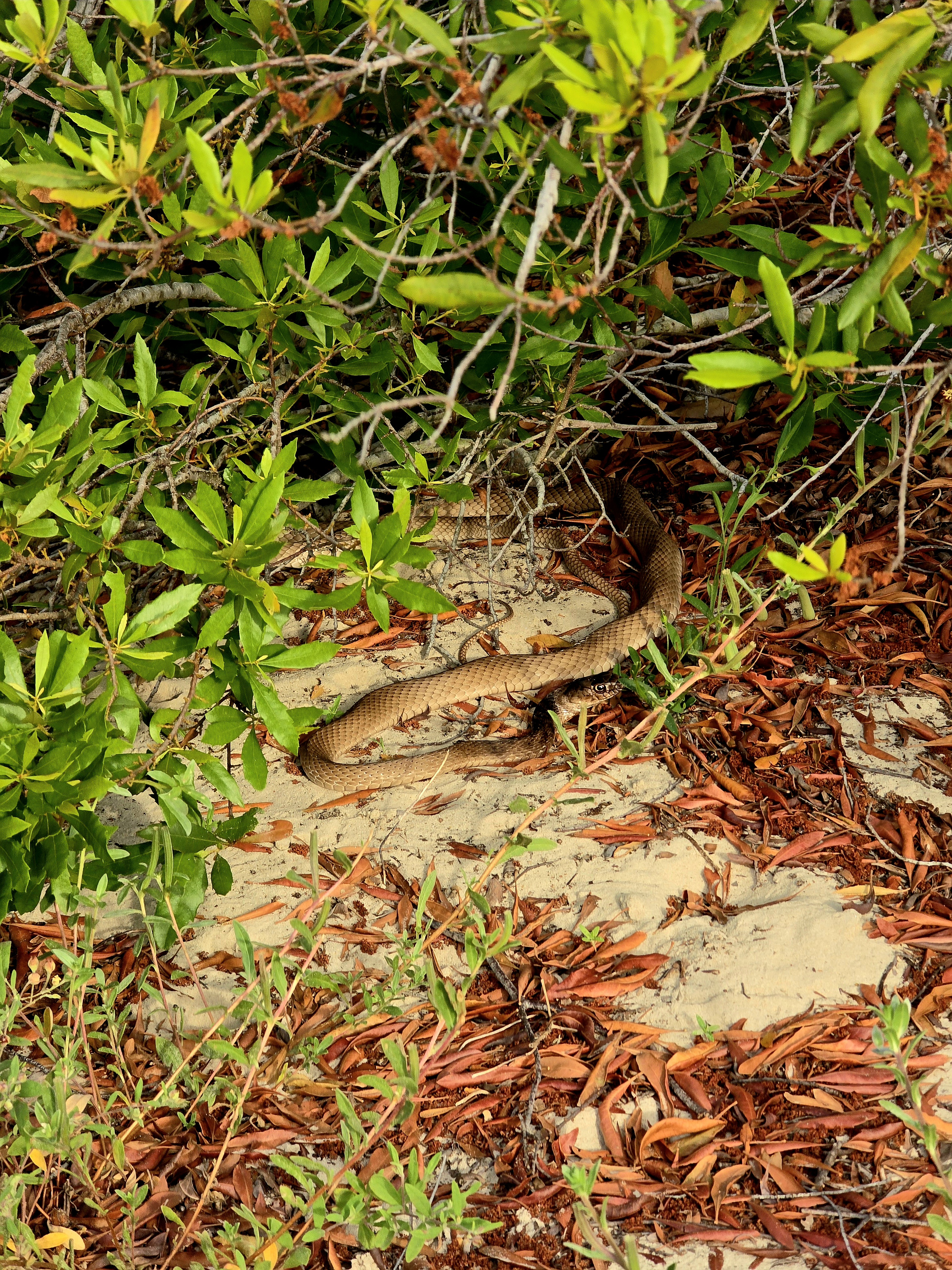
Whip snake
Armadillo
Deer
Peregrine Falcon
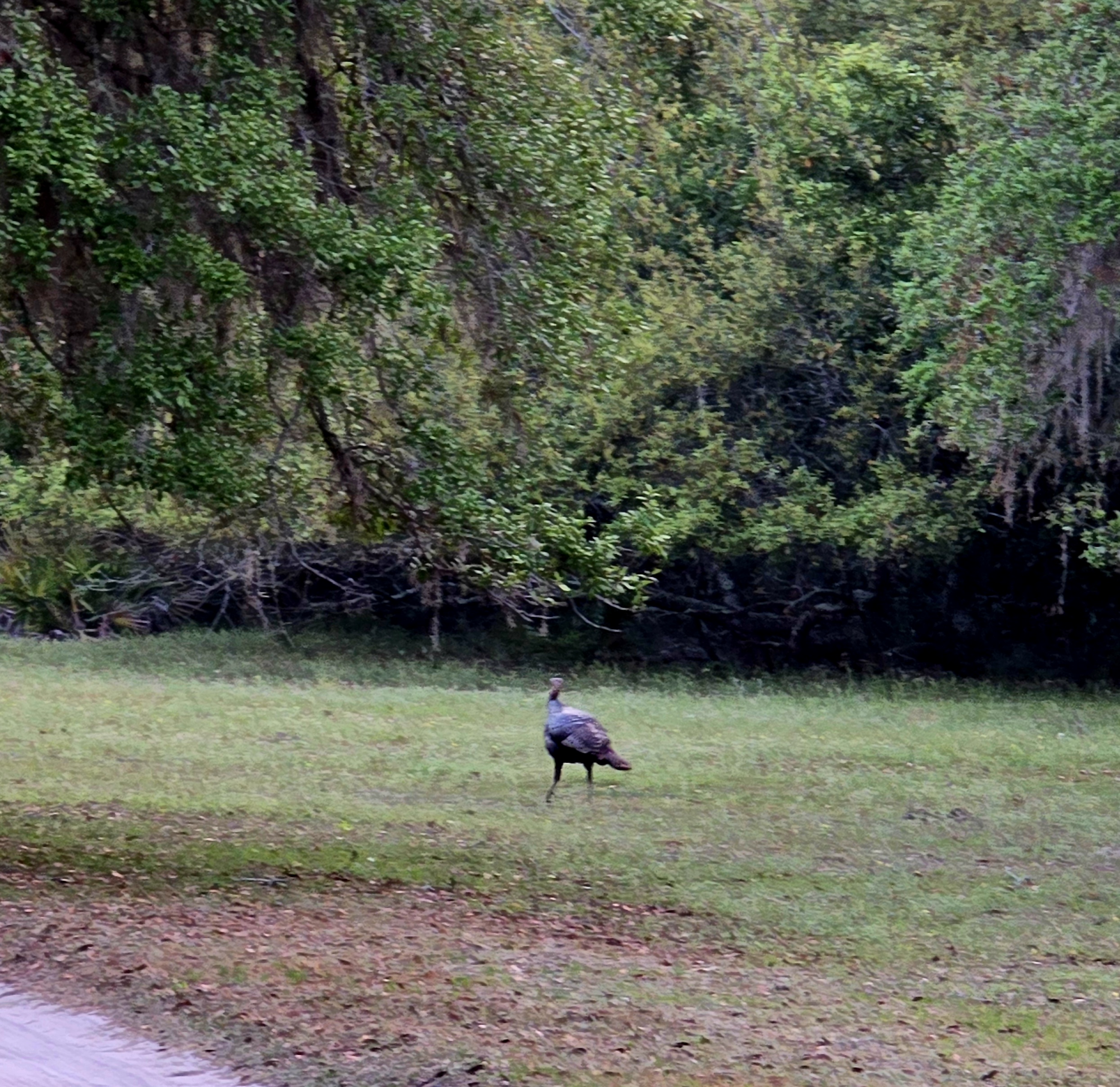
Turkey
Dolphins
Sighted, but no photos:
Egret
Ibis
Stork




The History of Cumberland Island
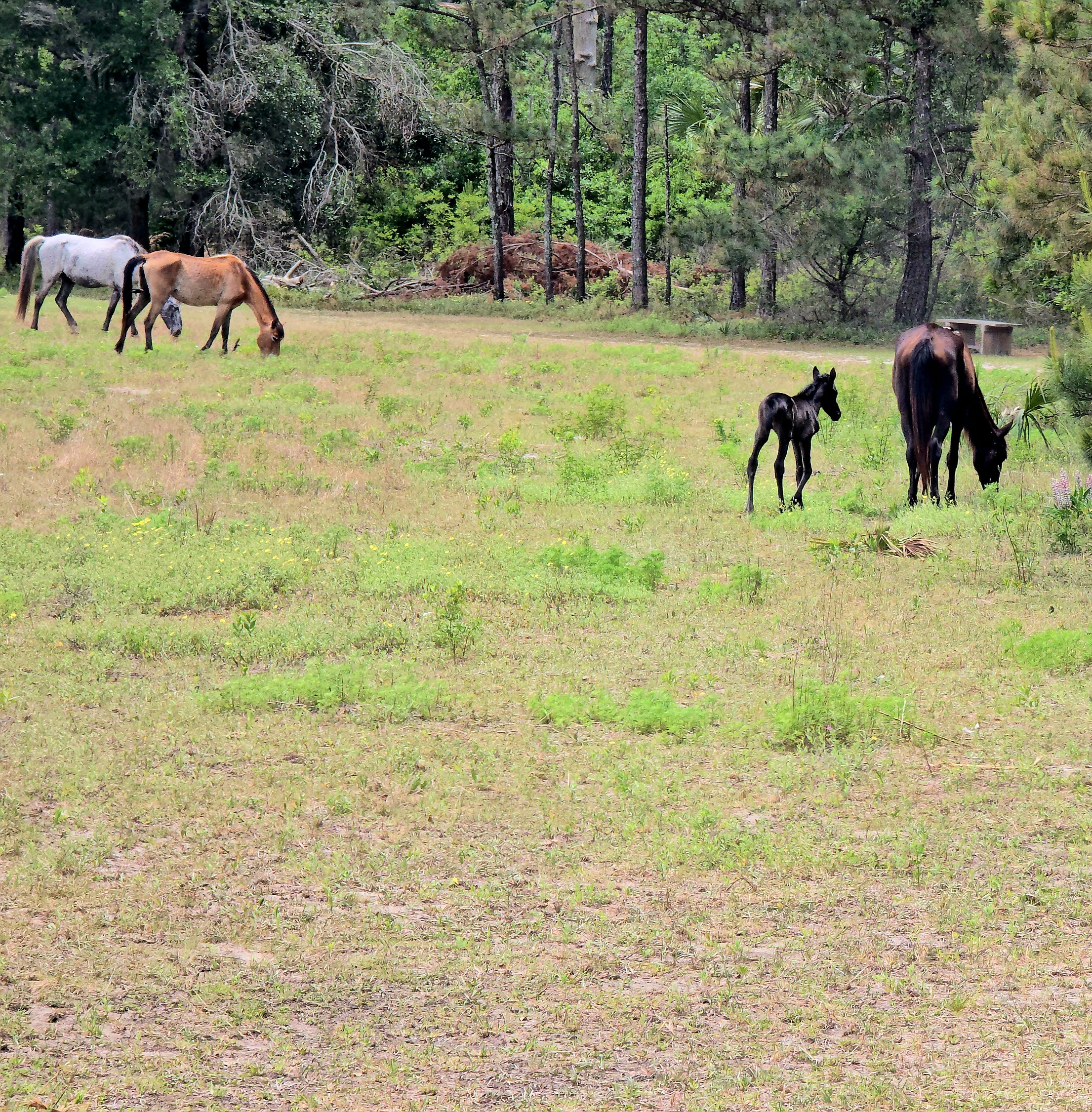
Before I tell you about the adventures, food, and tours I took over the two days I spent on the island, you need to know some history about Cumberland Island. The first people to live on Cumberland Island included several indigenous tribes, including the Mocama, who spoke the Timucuan language, like those that along what is now the Florida coast. By the 16th and 17th centuries, Spanish missionaries occupied the mainland and the barrier islands along the coast, including Cumberland. When the Spanish first arrived in 1550, they built a mission known as San Pedro de Mocama. Other missions built during Spanish occupation included Puturiba and San Phelipe. The Spanish brought horses, Russian boar and cattle. The feral pigs are a combination of native boars and the Russian boars brought by the Spanish. The wild horses on the island are thought to be descendants of those Spanish horses; some say the horses are descended from those left behind by British soldiers, and others believe they are from polo horses the wealthy families kept.




By the time French pirates attacked the island in 1683, several hundred indigenous people and a number of missionaries remained. The pirates burned the buildings, and most of the inhabitants fled to the mainland. The next to arrive to the island were the English after James Oglethorpe settled Savannah, and then the barrier islands. Oglethorpe built Fort St. Andrews on the north end of the island, and Fort William on the south end. He also built a hunting lodge called Dungeness, after the county seat and salt marsh in Kent where he was from. The Cumberland name came from the son of King George II, Prince William, Duke of Cumberland, and was suggested by Toonahowi, the nephew of Tomochichi, the famed Yamacraw chief buried in Wright Square in Savannah.
In 1783, Nathaneal Greene was awarded 11,000 acres on Cumberland as a reward for his efforts in the Revolutionary War, and to pay Greene back for the personal money he spent for his troops. Greene built the original Dungeness, a four-story high tabby house, and planted olive trees to grow on the island. After Greene died in 1786, his widow Catherine married Phineas Miller, who originally tutored the Greene children, and then became the plantation property manager. Phineas died in 1803, and Catherine continued maintaining the olive orchards.
The house was occupied by British troops during the War of 1812, and after Catherine died in 1814, Catherine’s daughter Louisa Greene and her James Shaw live here, but they don’t have children, and the house is inherited by Louisa’s nephew, Phineas M Nightingale. The Nightingales then sell Dungeness to William Davis, a relative of Jefferson Davis. The original Dungeness survived the Civil War because it was home to Nathaneal Greene, a Revolutionary War hero. It was eventually destroyed by fire in 1866.
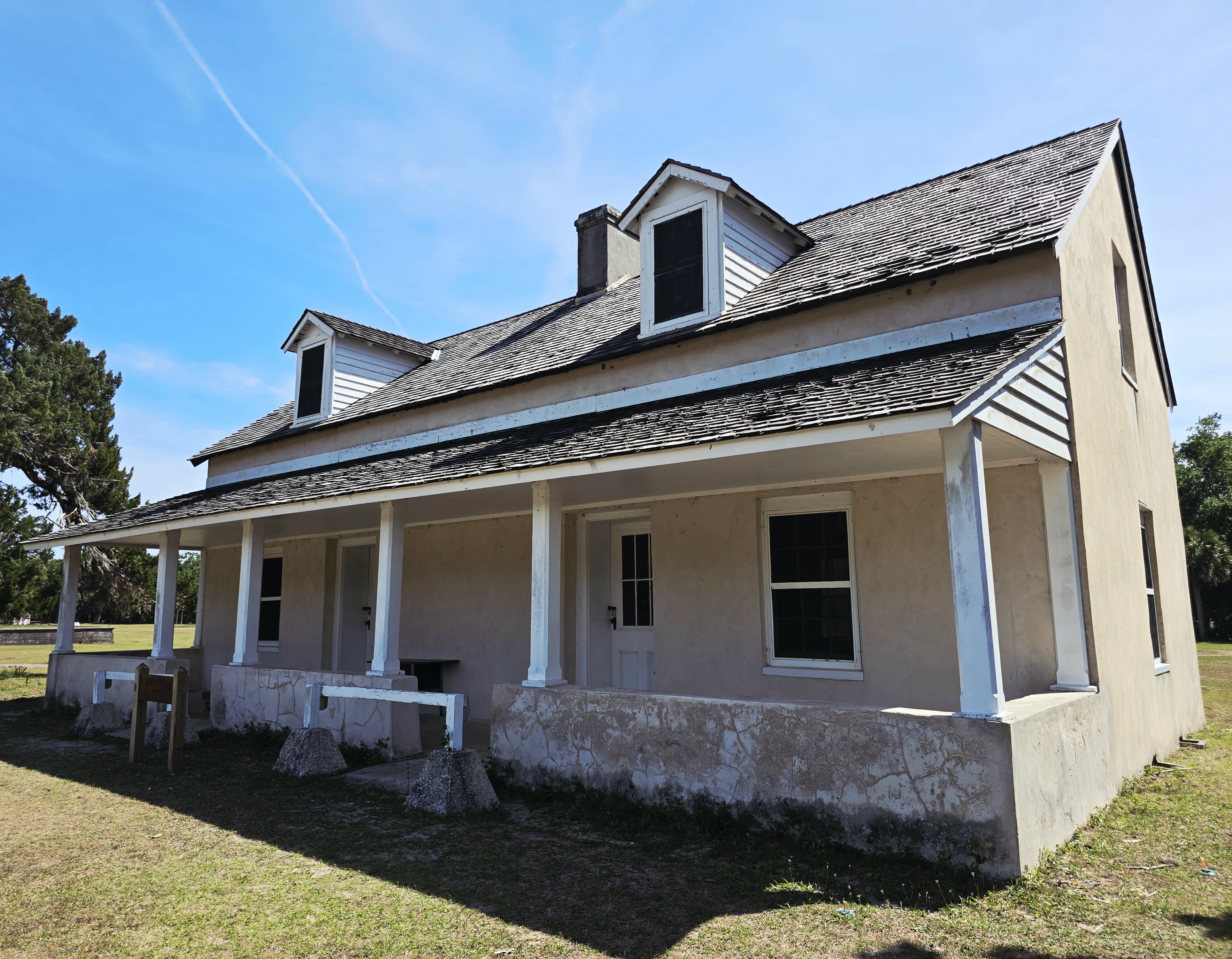
The oldest existing building on Cumberland is the white tabby cottage next to the Dungeness ruins, built in 1800 by Greene’s widow, Catherine, who had married Phineas Miller by this time. This is the home Davis occupied after the tabby Dungeness burned down.
Before the Civil War, there were ten plantations on the island which grew Sea Island cotton, cane sugar, cattle, and indigo and rice where there was water supply. Houses on Cumberland over the years include two versions of Dungeness, The Grange, Stafford, Plum Orchard, and Greyfield (now Greyfield Inn). The second Dungeness burned in the 1950s, but you can visit the ruins. The Carnegies weren’t the only wealthy family to build homes on Cumberland during the Gilded Age. The Rockefellers and Candlers (of Coca-Cola wealth) also had homes on the island. The Candlers and the Carnegies had the most land on Cumberland, with the Candlers owning property mostly on the north end of the island. Charles Howard Candler bought the Cumberland Hunt Club when it went bankrupt during the depression. The Candlers still own property on the island as well.
The first Stafford Plantation was built in 1823 by Robert Stafford. A tabby wall from 1823 still stands, as well as a planters house. Stafford was the largest landowner before the Civil War. His slaves were freed in 1862. He died in 1877, and his 8000 acres were passed to his nieces and nephews, and the Carnegie family started buying parcels of his land. William, the eldest Carnegie son, bought the Stafford home, and they lived there until it burned in 1890. The current Stafford House was built on the same plot of land.
Carnegies on Cumberland Island
Andrew and Thomas Carnegie immigrated from Scotland when Thomas was five. Thomas worked alongside Andrew in many of their investments and companies. Thomas married Lucy Coleman, the daughter of another Pittsburgh manufacturing magnate, in 1868. The Carnegies first came to Cumberland in 1881. Thomas and Lucy read about the first Dungeness in an 1879 Harper’s weekly article. By 1886, they owned 90% of the island, but Thomas passed away that October. The 59-room Queen Anne style mansion was completed after Thomas died, and occupied by his widow Lucy and their nine children. The Queen Anne Tudor becomes an Italianate eventually as Lucy sought to “keep up with the Jones’ and impress her guests who were used to seeing the latest and greatest from the Rockefellers, Vanderbilts and Astors.
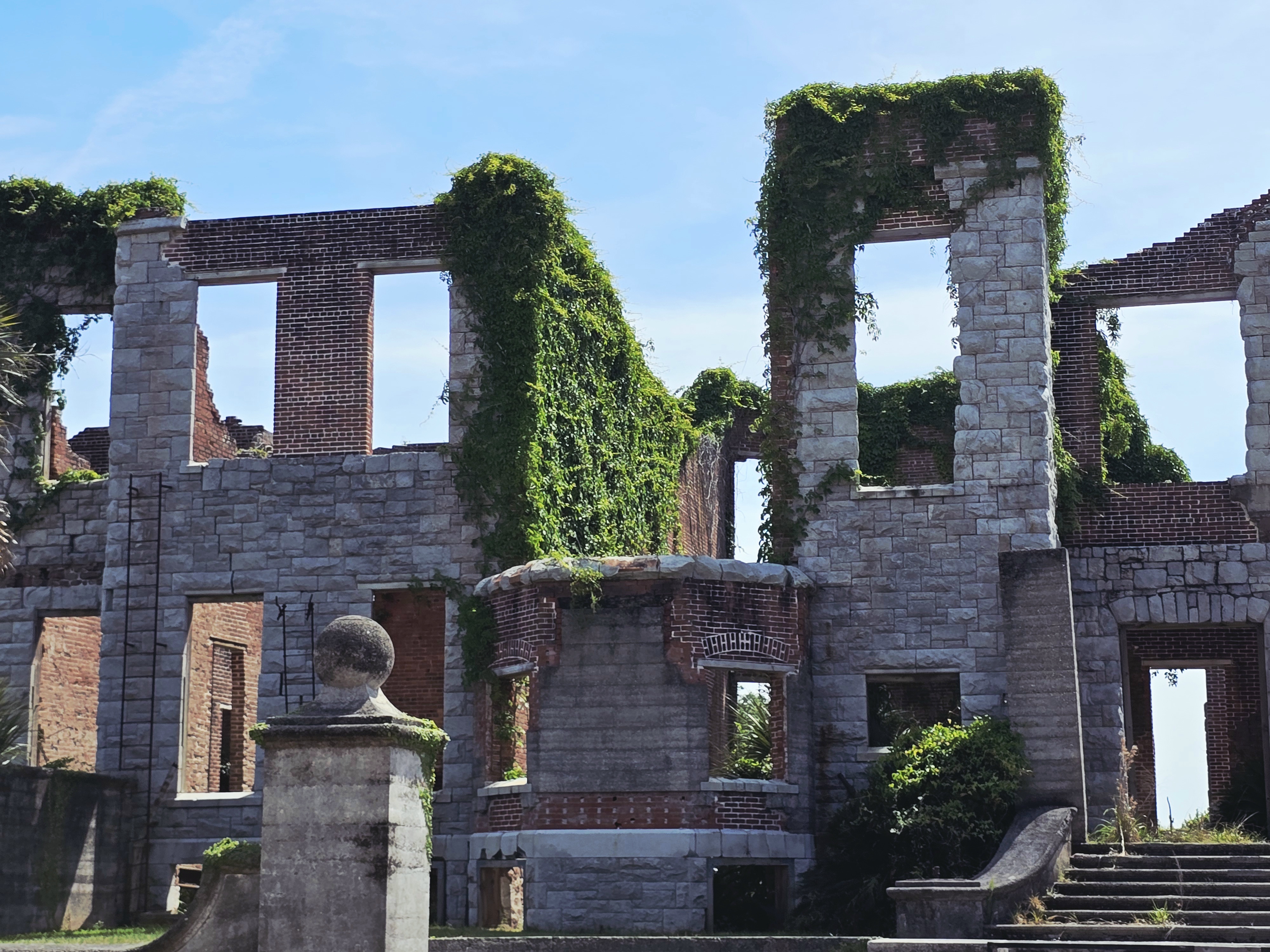
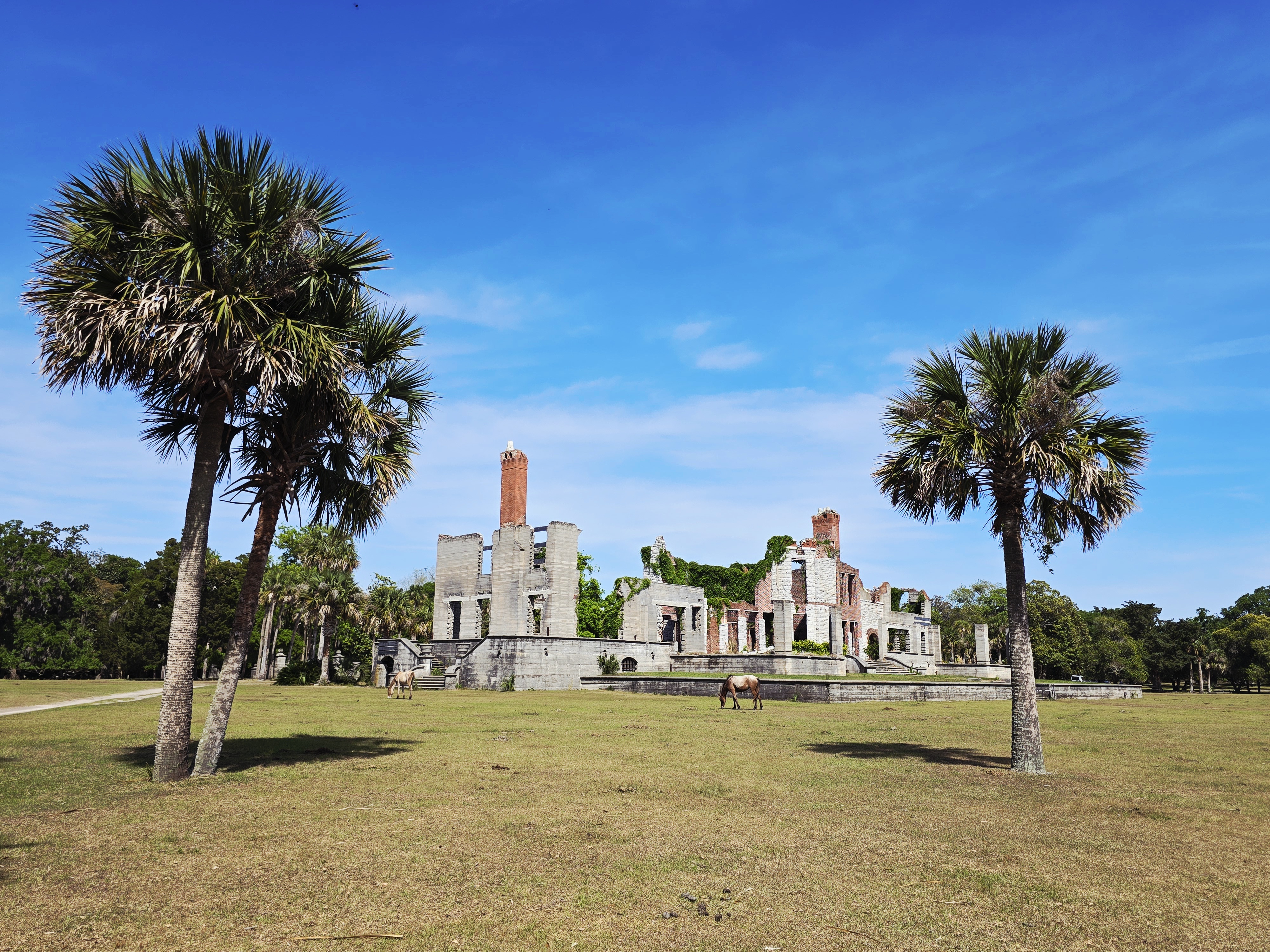
The house was built on the same spot as the former Dungeness mansion owned by the Greene family, and the Carnegie family kept the Dungeness name to honor their Scottish heritage. When Thomas dies, the eldest son, William is 19, and youngest daughter Nancy is 5. As each child marries, they are given money and a home, but Lucy kept the title on everyone’s land. Younger son Andrew didn’t want to build a home, so Lucy made them live with her in Dungeness. His descendants now live in Stafford Home. Andrew’s wife ends up managing Dungeness. The Carnegies move out of Dungeness in 1925, and in 1959, it was destroyed by fire by poachers upset about not allowed to hunt on Carnegie land. Lucky for us, the furnishings and decorative items were moved to other Carnegie homes like Stafford Plantation, Plum Orchard and Greyfield. The Dungeness outbuildings were used by staff until the National Park Service acquired them and the main house ruins in 1972.

Plum Orchard was built in 1898 in the Georgian Revival style as the winter cottage for George and Margaret Carnegie. Architects Peabody & Stearns also designed Stafford Place and Greyfield on the island, as well as over a dozen Newport, Rhode Island homes and others in Massachusetts, Missouri and Maine. When George married Margaret Thaw, they merged two prominent Pittsburgh families — steel and railroad. The $11,000 Lucy offered to each of her children paid for the middle portion. The extra $1,000 and furnishings were paid for by Margaret. The additions came in 1902 to 1904 so it could host more guests at a cost of $65,000, which Margaret funded. They played polo in the front of the property, and had a dock, but no electricity because it was too far from Dungeness which provided power for the other Carnegie mansions. The elevator was installed before power was available, so it was powered by a water tank 75 feet above the elevator motor in the basement.

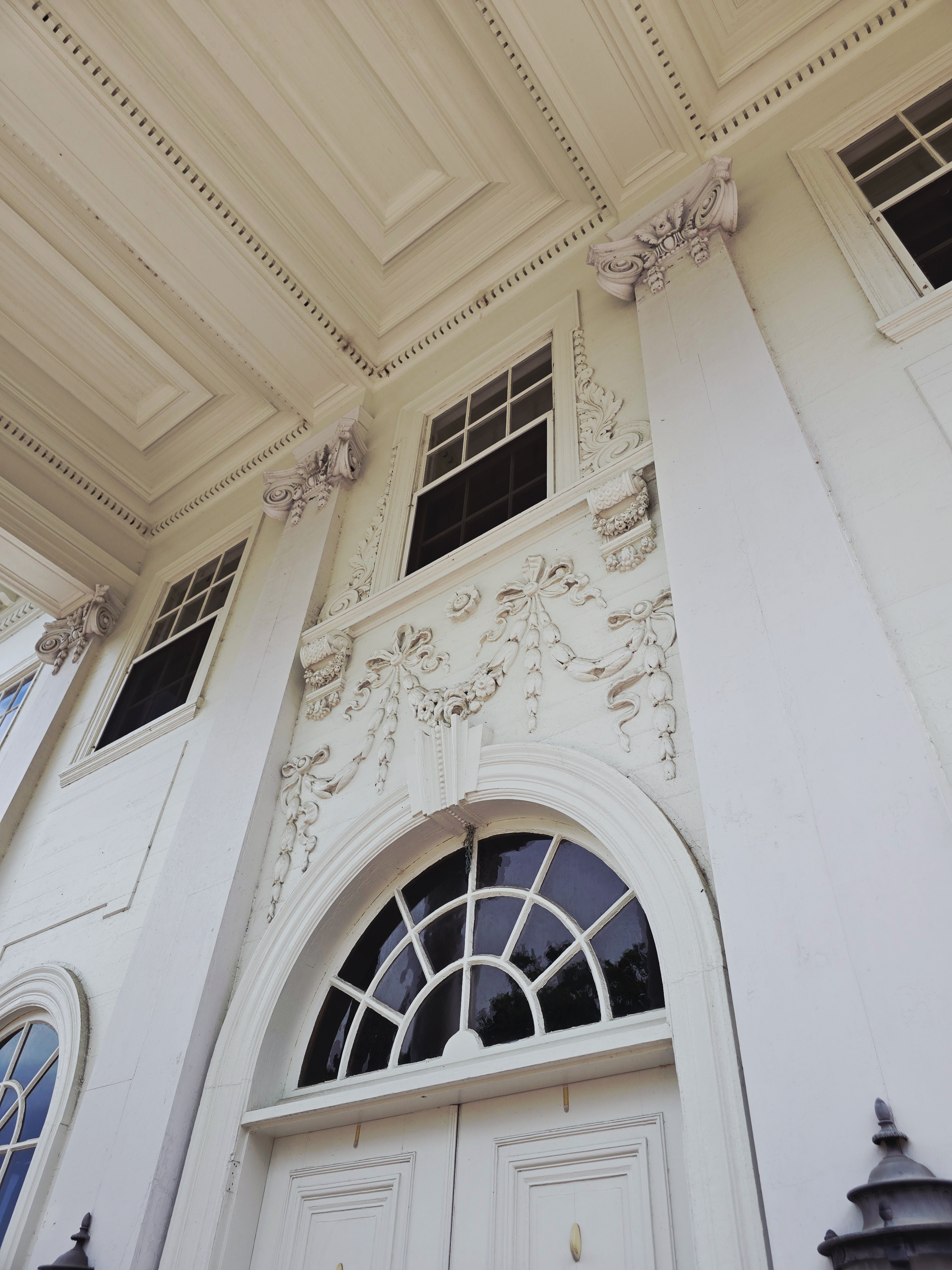


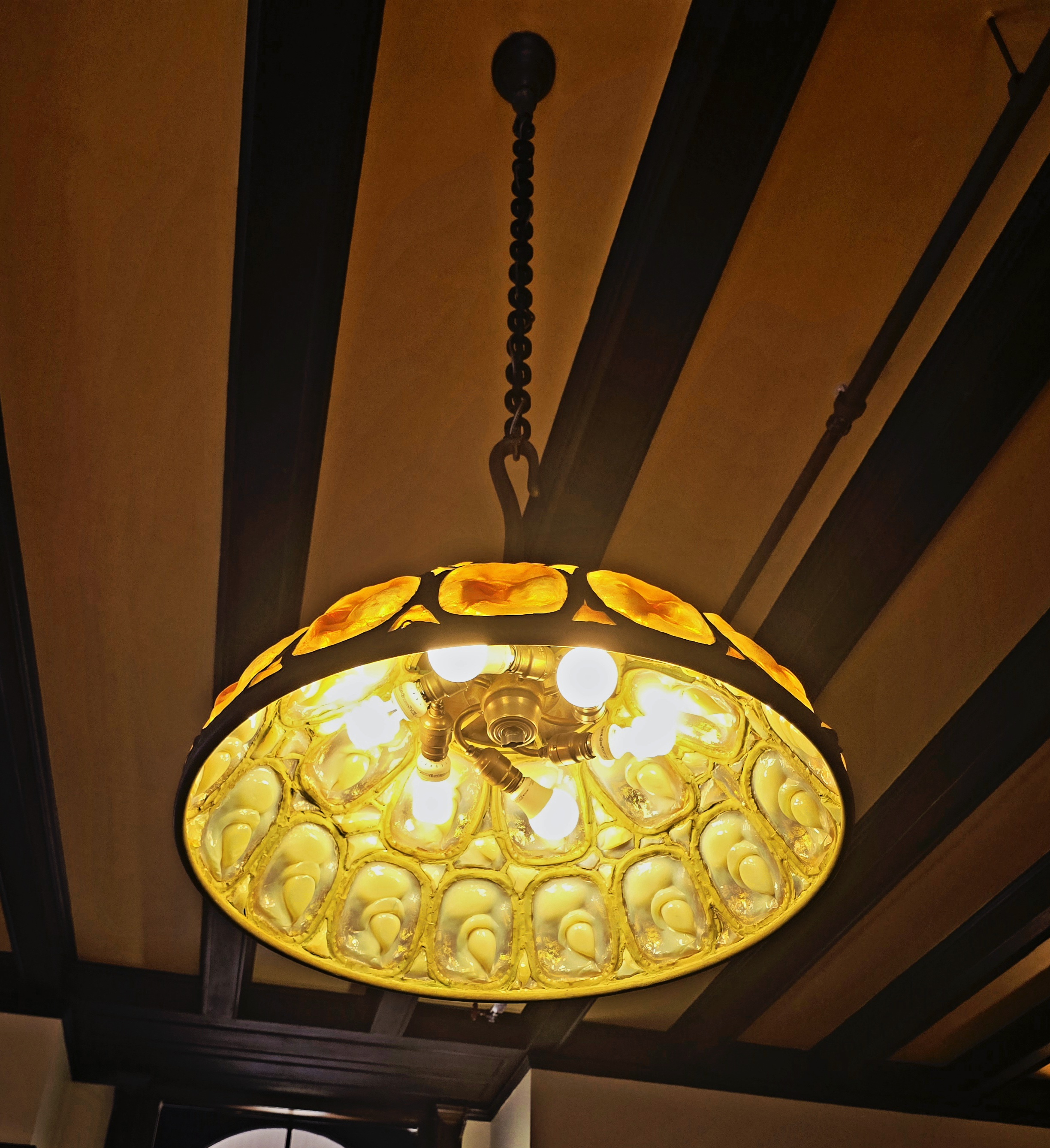
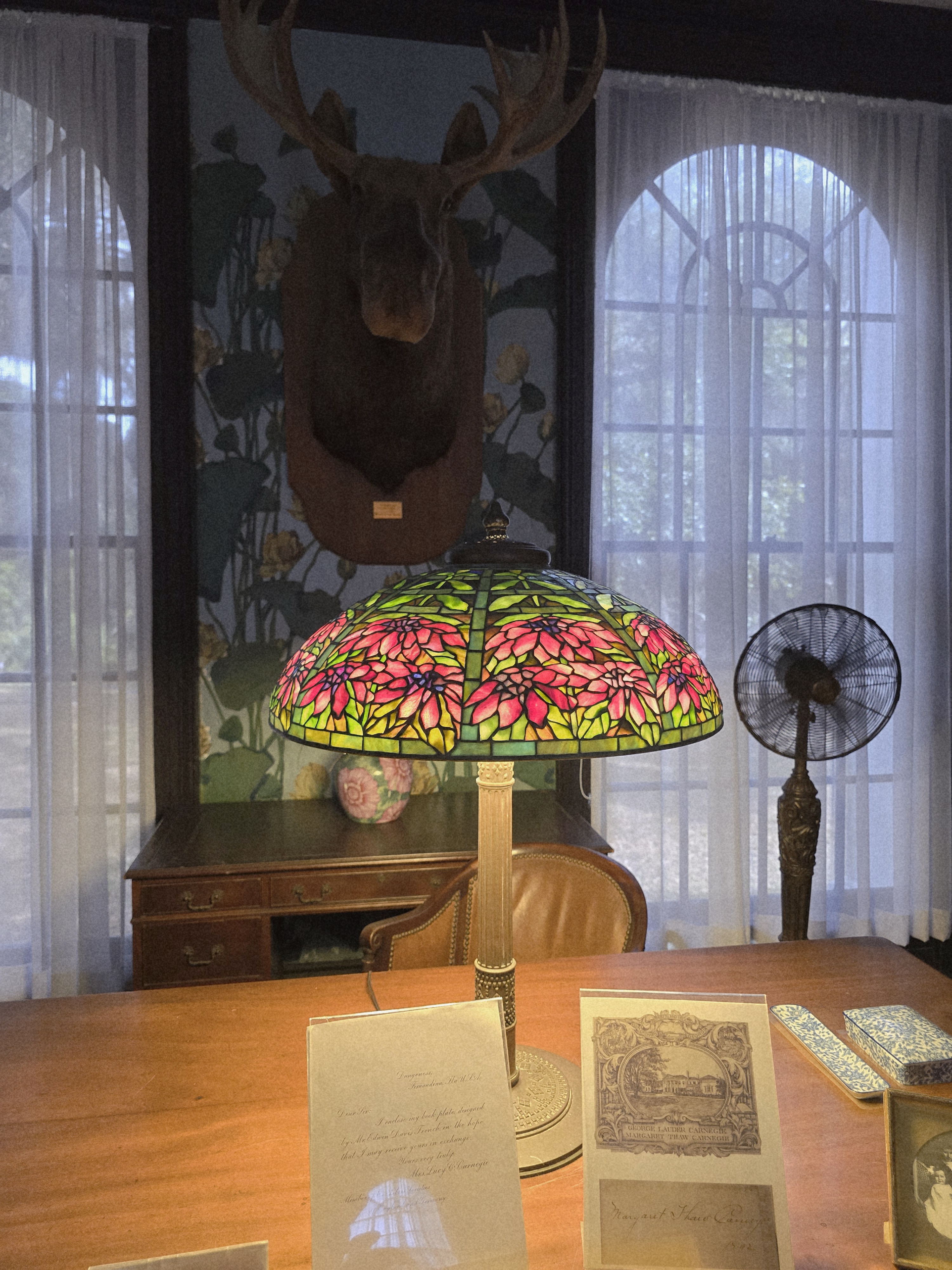


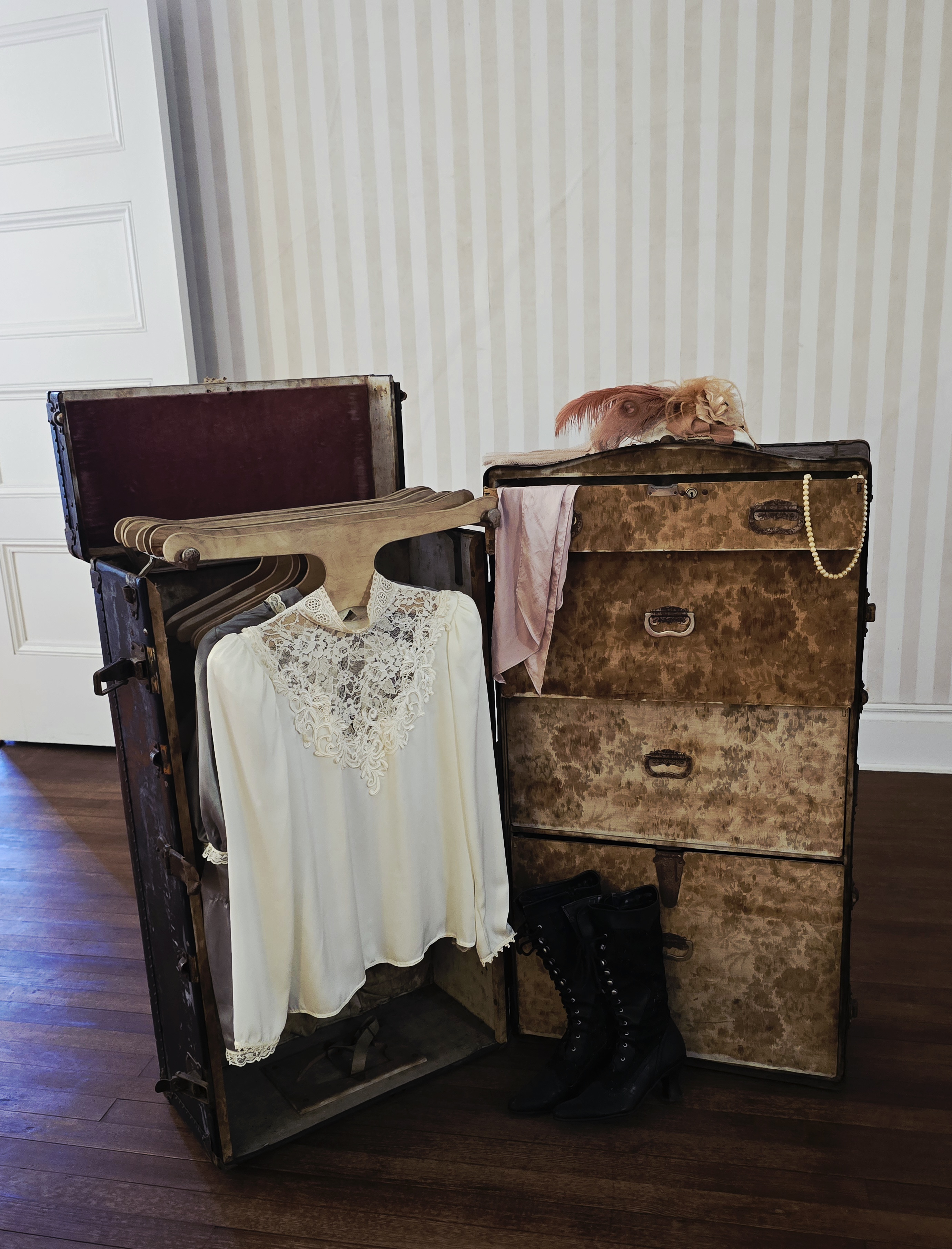


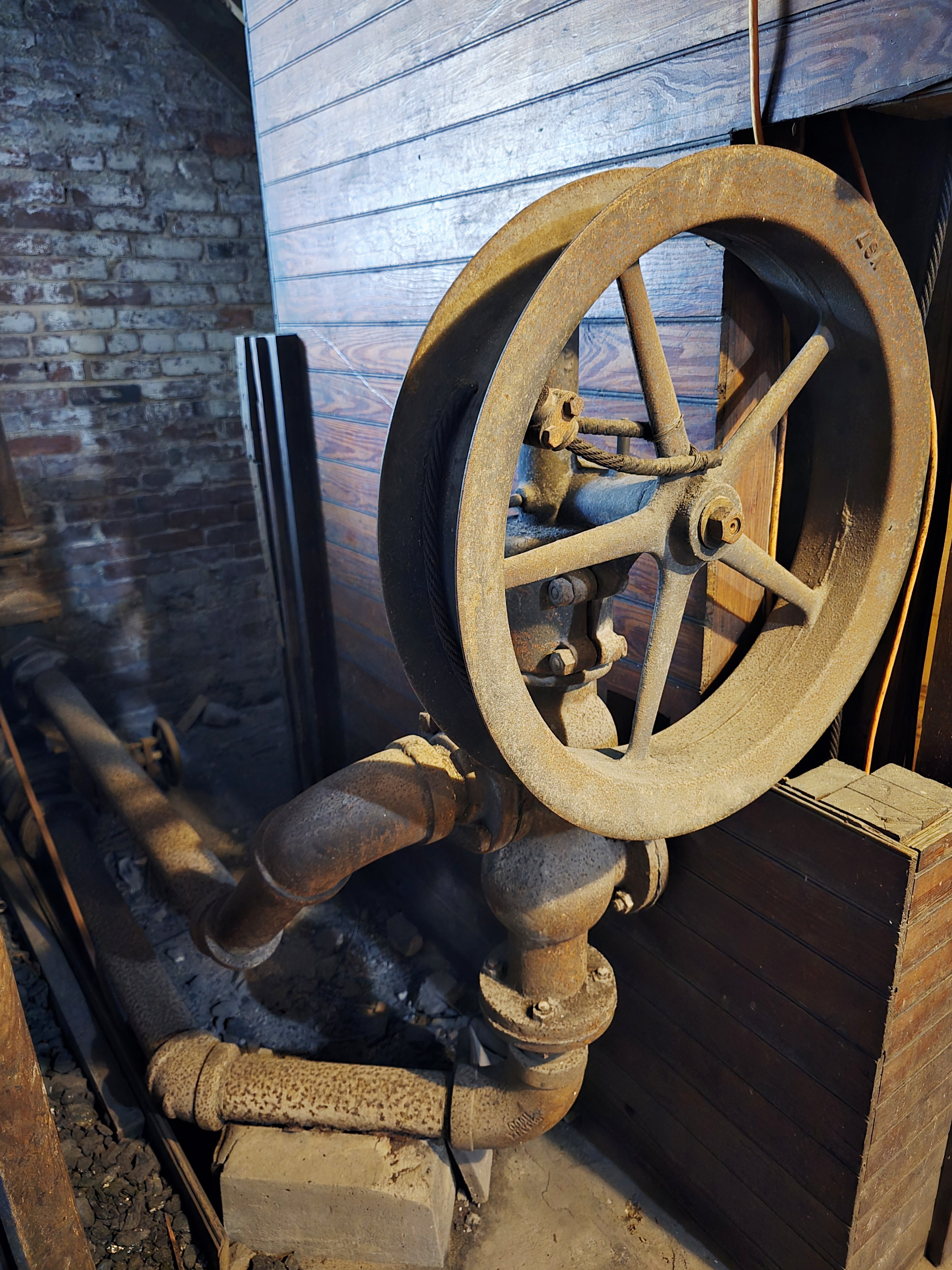

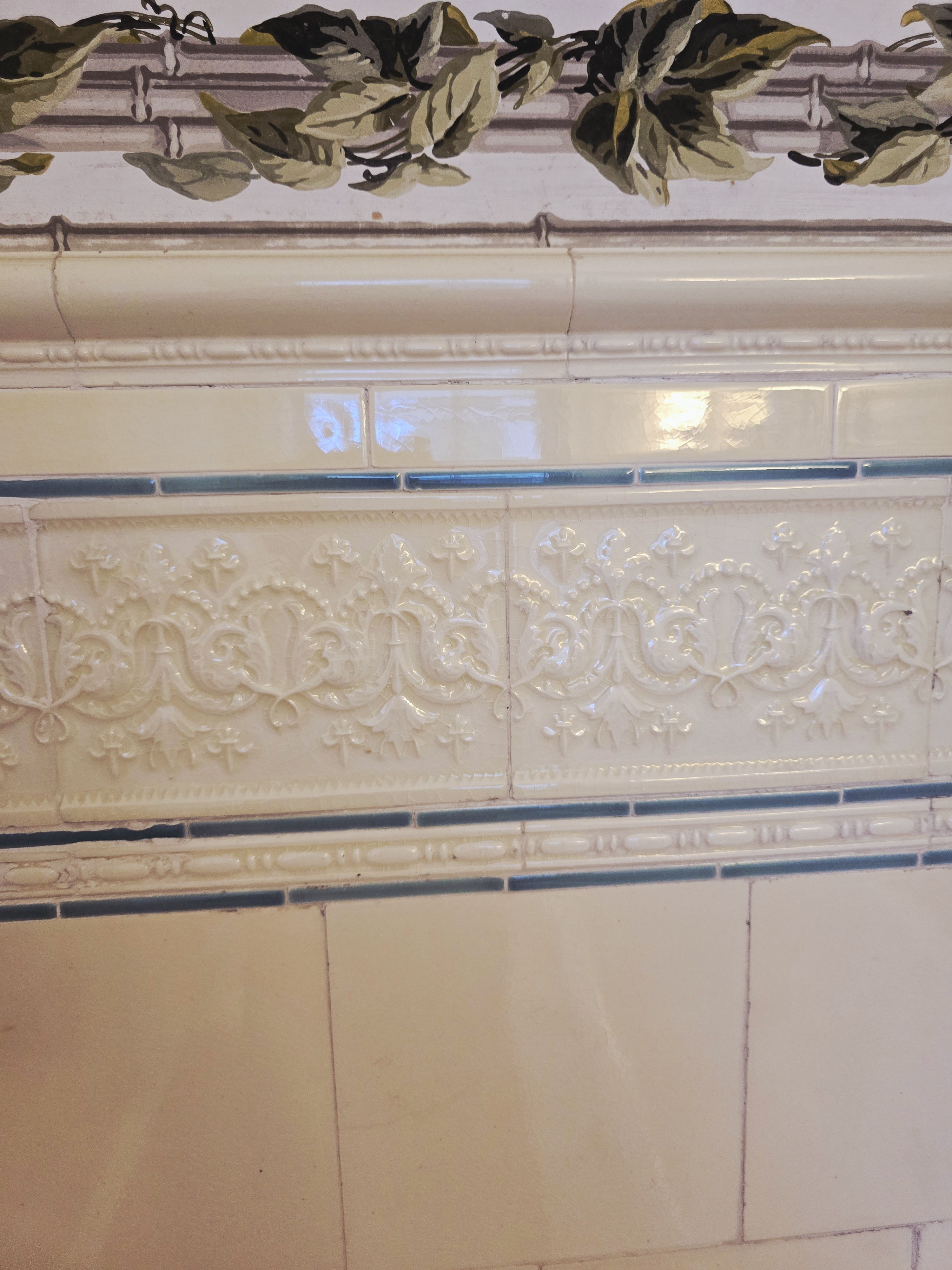
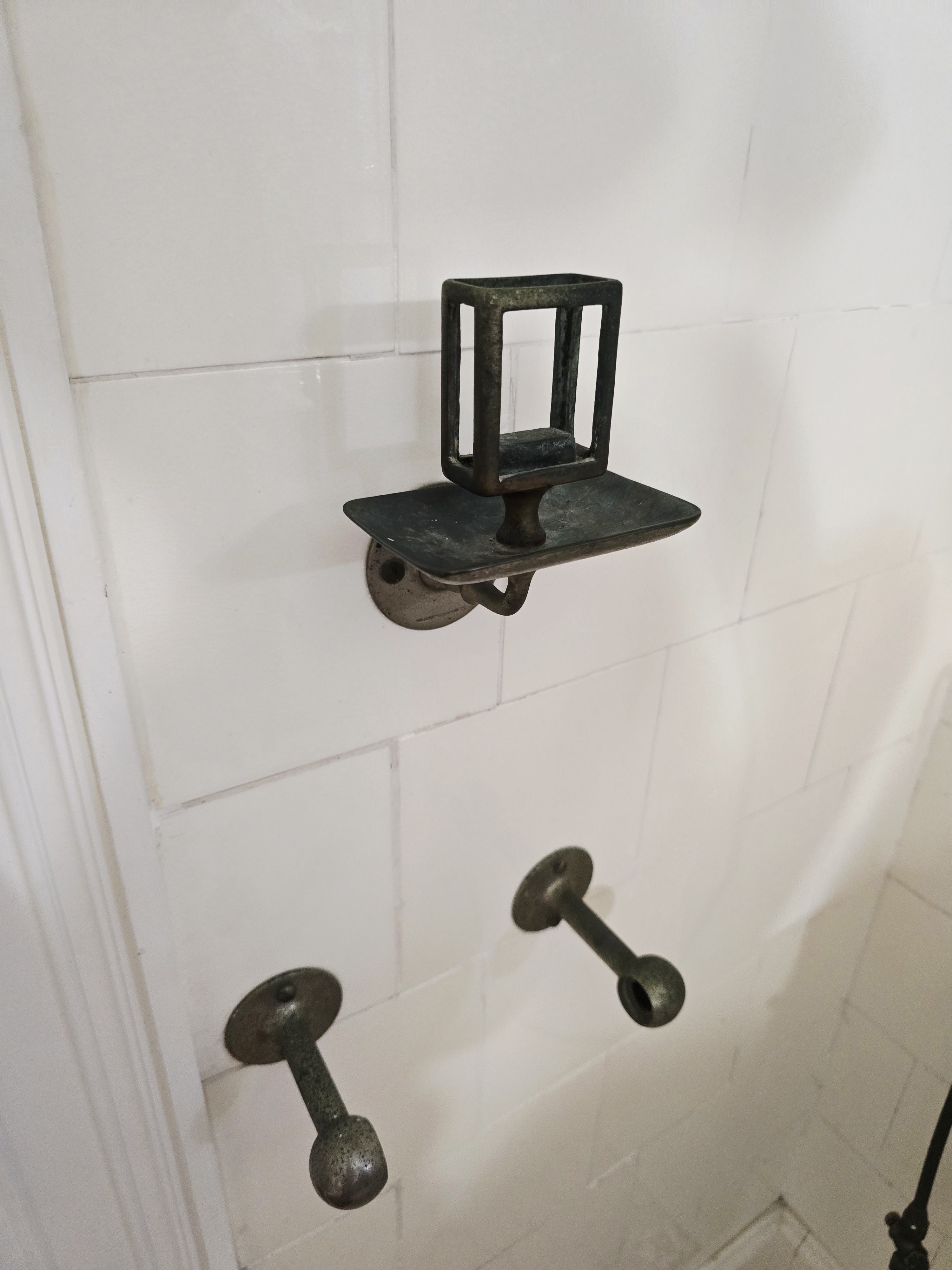
Plum Orchard finally got power in 1913, when they built their own substation. After George died in 1917, Margaret never returned. The house was empty until 1925 when Nancy, George’s sister, took over ownership until 1970 when her descendants gave it to the National Parks Service. Interesting fact: Nancy fell in love with the island doctor, Dr. Marius Johnston, but she was still married to her alcoholic, abusive husband, Thomas Hever. To avoid scandal, Lucy, Nancy’s mother, sent Dr. Johnston abroad until Hever died of cancer. Dr. Johnston was due to be aboard the Titanic, but was forced to delay his trip back to America when he fell ill before the ship sailed. He finally married Nancy after he returned from England.
Greyfield was built by Lucy from 1901 to 1905 as a wedding gift for her daughter Margaret and Oliver Ricketson. Margaret’s wedding portrait still hangs in the living room of the inn, while Lucy Carnegie Ricketson Ferguson’s portrait hangs on the opposite wall. The 15,000 s.f. Colonial Revival home was built on a site known as Gray’s Field, for John Gray, a planter from Jekyll Island who owned the 500 acre tract before the Carnegies came to the island. Springs Plantation occupied the land before, including the early 19th century home of Martha Greene Nightingale, Nathaneal Greene’s daughter, and her husband.Lucy Carnegie Ricketson married Robert Weeks Ferguson in 1920, took over Greyfield in the 1930s, and in 1962, when her grandmother’s trust expired, converted the house to Greyfield Inn.



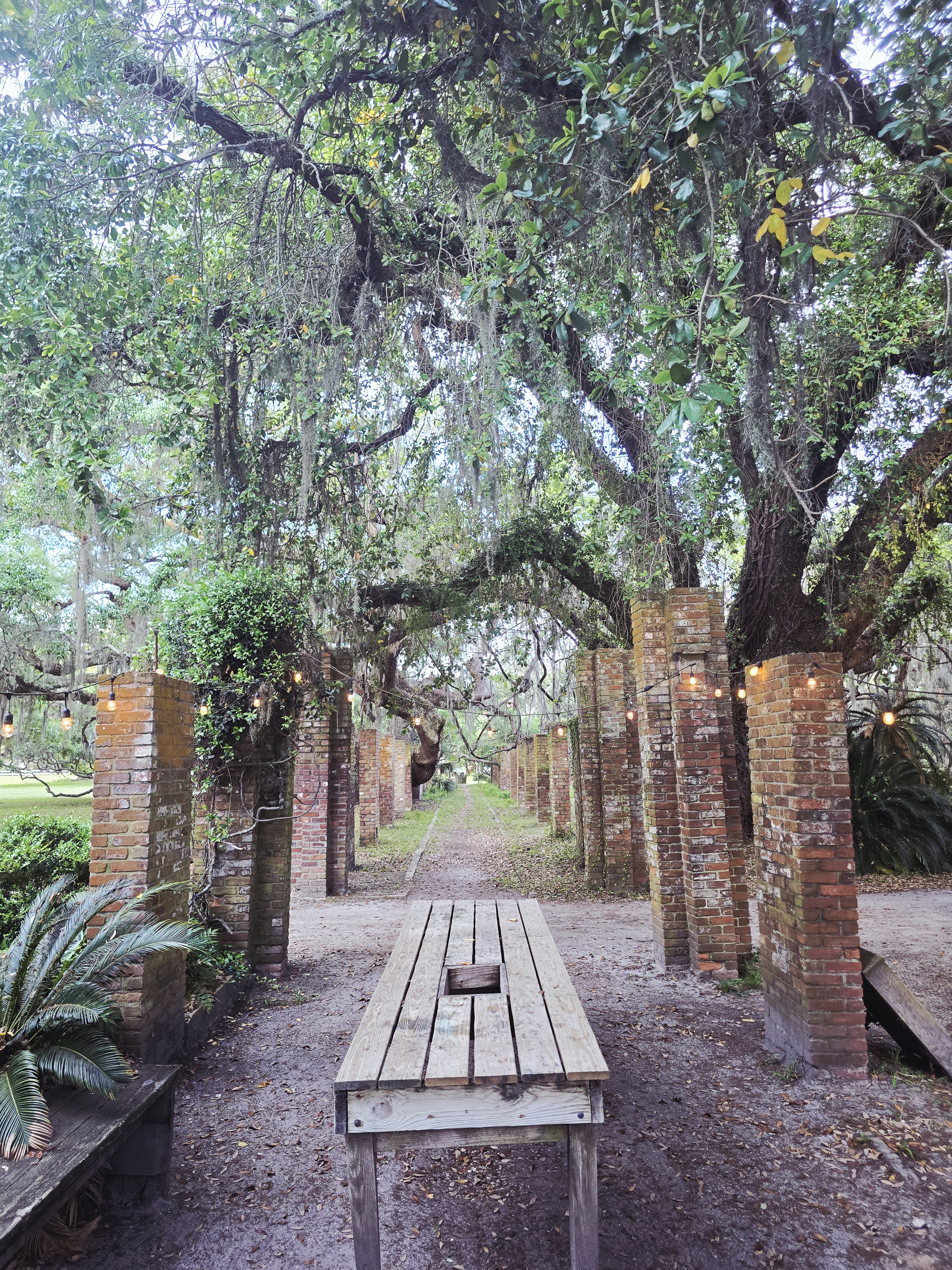


Today, the U.S. Department of Interior and National Parks Service own 90% and the family owns the remaining 10%, almost 1,000 acres, and 25 to 30 houses. When Lucy Carnegie died in 1916, her will maintained that the 16,000 acres of land that she owned would be kept in trust until her last child died. This trust was broken in 1962 when her youngest daughter Florence died. The Carnegie grandchildren were no longer living off their wealth, but working for a living, and were land wealthy and cash poor. A real estate developer was waiting for this moment that the grandchildren would inherit. Charles Fraser of the Sea Pines development company that developed Hilton Head bought 3,000 acres from various Carnegie descendants. He built Sea Camp as his real estate sales office on Cumberland Island. His development was stalled because the state and other interested parties would not approve a bridge to connect Cumberland to the mainland. The state of Georgia, Georgia Conservancy, Sierra Club, National Parks Service and Mellon Foundation joined forces to get the land back from Fraser. He eventually sells his land, and buys the lower third of Amelia Island to build Amelia Plantation.
Those that saved the island from further development – the state of Georgia, Georgia Conservancy, Sierra Club, National Parks Service and Mellon Foundation — also worked with Congress to designate it Cumberland Island National Seashore, signed into law in 1972. The money to fund improvements to Cumberland Island’s historic sites comes from the National Park Service’s infrastructure funds, the Georgia Outdoor Stewardship Program, and recreation fees collected by those visiting the island.
Two Days on Cumberland Island
Back to my Cumberland Island experience… After the ferry dropped us off behind Greyfield Inn, we got a tour of the house, and were led to our cottage. The house has eight guest rooms, and two other guest cottages are located across a field from the main house. One guest cottage has two guest rooms and a sitting room, and our cottage has three guest rooms and a sitting room, and a separate guest room with its own entrance. Each of the 15 guest rooms has its own bathroom. The inn supplies each cottage with beach towels, sunscreen, insect repellant, a coffee machine, and mini-fridge stocked with sodas, water and sparkling waters.


By the time we got settled into our rooms, we had enough time to walk to the beach and watch the Atlantic surf, and also some guys “land-sailing” which I had never heard of before. We got back to our cottage to get ready for cocktail hour at the inn at 6pm, and a sit-down dinner at a communal table at 7pm. The bar offered several custom cocktail options, but the temperature called for my warm weather cocktail of choice, a vodka gimlet. The bartender introduced me to a new vodka, St. George, which I will look for anytime I order a vodka drink. All the meals are exquisitely prepared, using fresh ingredients, and everything made from scratch.
After dinner, walking back to the cottage, you could see every star, constellation, and even a couple of planets so clearly. While cell phone coverage wasn’t great, I did have access to my startracker app, and I spent a good half hour star-gazing with zero light pollution to get in the way. I settled in to read my book, and was in bed by 10pm, very early for me.
My only full day on the island started with a breakfast where they offered scones with oranges and raspberries, quiche lorraine, strawberry yogurt, and fresh fruit. A full breakfast was definitely needed since I signed up for two tours that day: Plum Orchard and the Dungeness ruins. I was hoping one of the tours that day would be to the north end of the island, but I had just missed it on the first day, and it wouldn’t be offered until after I left on Thursday. The north end of the island is where The Settlement was, the African-American village established after the Civil War in 1880s for the workers on the island while following Jim Crow laws. This is where The First African Baptist Church was first built in 1893, and rebuilt in the 1930s, and where John F. Kennedy Jr and Carolyn Bessette were married in 1996.
The tours of Plum Orchard and Dungeness ruins that I took on Wednesday were amazing. The guide for both tours, Christina, definitely knew her history about the island and the families who lived on the island. She was also well-versed about the animals, birds and reptiles that we encountered. Christina pointed out a dead palm tree that had woodpecker holes, an osprey nest and peregrine falcons perched on the chimney of the Dungeness ruins, a turkey near the Dungeness outbuildings, as well as birds based on the calls that she heard. After we returned to the inn, I saw the tours posted for the next day, and saw a nature tour that Christina would be doing at 7:30. Since the ferry wouldn’t leave until 10:45, it was perfect timing.
Thursday morning’s nature tour was mostly around the Dungeness ruins and the marsh just south of the ruins. Before we even left the drive in front of Greyfield, we saw a turkey, probably the same one we saw near the Dungeness outbuildings. While driving to the ruins, we saw several deer, who did not seem fazed at all by the sound of our truck or the sight of humans. We saw two baby great horned owls sitting on the metal supports holding up the Dungeness ruins, a red belly woodpecker on a dead palm tree, an alligator in the marsh, and a whip snake hiding in the grass on the beach. The only beings I didn’t appreciate were the gnats which had been attacking me relentlessly since I arrived Tuesday afternoon.

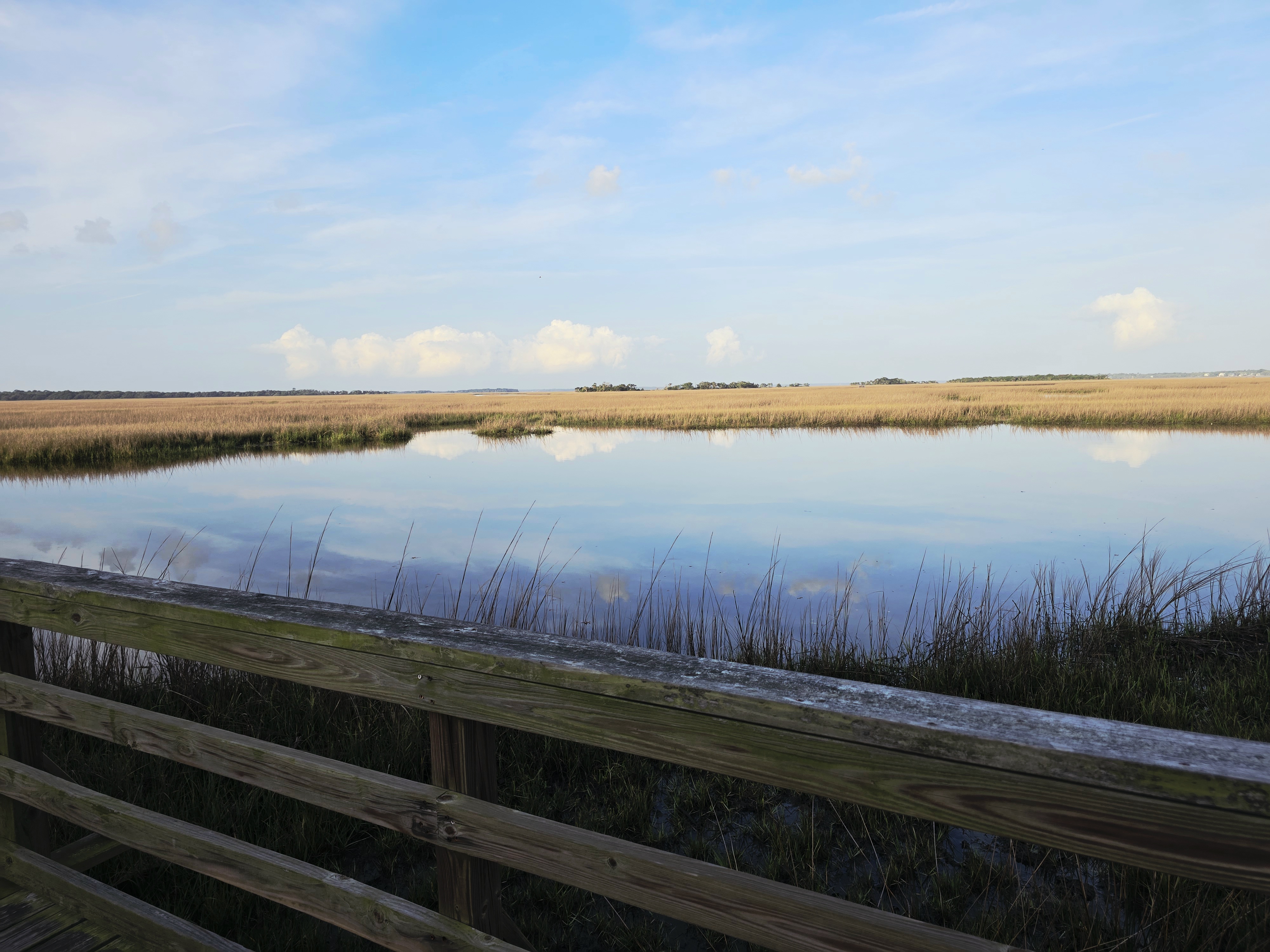

After the nature walk, I headed back to the cottage to clean up and finish packing. I left my packed bags at my cottage for the staff to pick them up to take to the ferry, where I met a woman named Ava Ferguson Cooley. She started loading up our luggage, introduced herself as Ava, and said she grew up in the area, but never mentioned her full name. Eventually, she said she will take over running Greyfield for her aunt and uncle.

The price of staying at Greyfield Inn almost sent me into shock when I made the reservation in January, but when I factored in the tranquility of the island, the ferry, tours and meals included, it didn’t seem as outrageous. The alternative was camping, and I’m much too old for that! The price was worth it, and I can’t wait to go back to Cumberland Island again, and maybe by then, Ava will be running Greyfield. After all, I still need to visit the Greene and Carnegie family cemeteries, the First African Baptist Church, and other remaining buildings that were part of “The Settlement” on the north end of the island.
 Sravanthi Meka