For the same reason I never really visited Savannah or Charleston until recently, I had never been a tourist on the Golden Isles, like St. Simons or Jekyll Island. Most of my family lives in Louisiana, so family trips were there, or we would meet in Destin if we wanted to be on the beach. This past week, I became a tourist along the Golden Isles, specifically Brunswick, Darien, Jekyll Island and St. Simons Island, as well as St. Augustine and Amelia Island in Florida. I’ve visited Amelia many times before when I went to the Georgia-Florida game in Jacksonville. Now I’m visiting the area as a history nerd and lover of historic properties.
I counted FIVE islands that I visited over eight days:
Cumberland Island
Anastasia Island
Amelia Island
St Simons Island
Jekyll Island
I covered my time in St. Augustine and Cumberland Island in separate blogs since they have their own unique history. One thing I noted was that I saw the same events but from different perspectives, like the British sieges of St. Augustine in 1702 and 1740, and a Spanish attack on Cumberland Island in 1742.
Brunswick, Georgia was founded in 1771 by the Council of the Royal Colony of Georgia. It was designed with 14 squares, similar to nearby Savannah, founded in 1733 and designed with 34 original squares. Queen Square was named to honor the current British royalty, and is the only square in the commercial district that remained intact throughout Brunswick’s history.
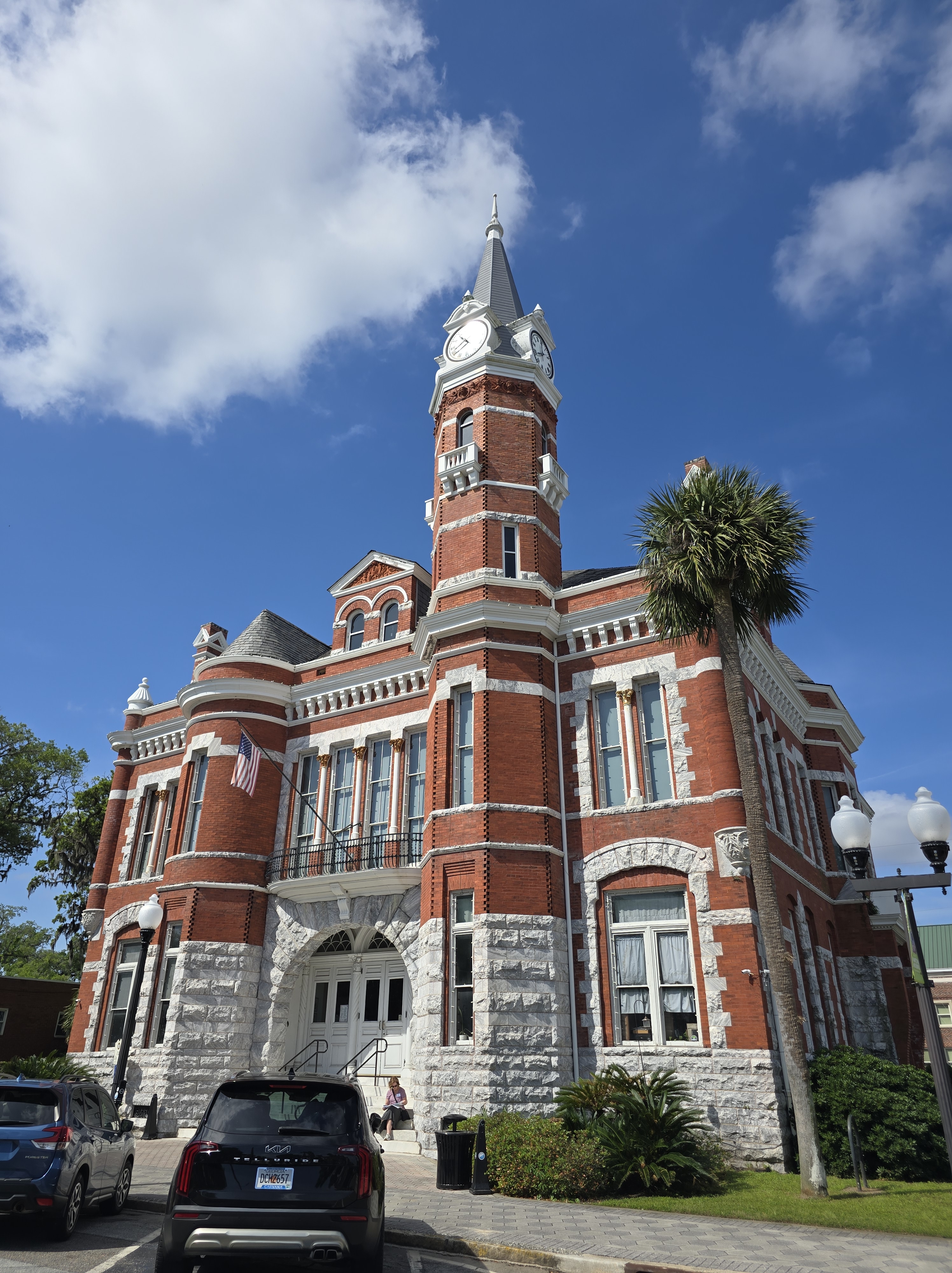
Brunswick’s Old City Hall was designed by Alfred Eichberg in the Richardsonian Romanesque style with Queen Anne elements, and built between 1986 to 1889. The bell tower and clock were added in 1893. The Romanesque architectural style was very popular during this time period for government buildings, but the Italianate brackets were an unusual addition. Terra cotta friezes and gargoyles complete the decorative elements. It now serves as a courthouse for the city and event venue.
The majority of the historic homes that we visited were close to downtown – close enough that we could walk from the Old City Hall building where we picked up our packets. There was a group of four of us, two who work in historic preservation, and two of us, myself included, who are just obsessed with history and architecture. I decided to go with the name “Ramble Rousers” to describe ourselves, since we tend to be the youngest among Ramblers, and find ourself in hot water occasionally.
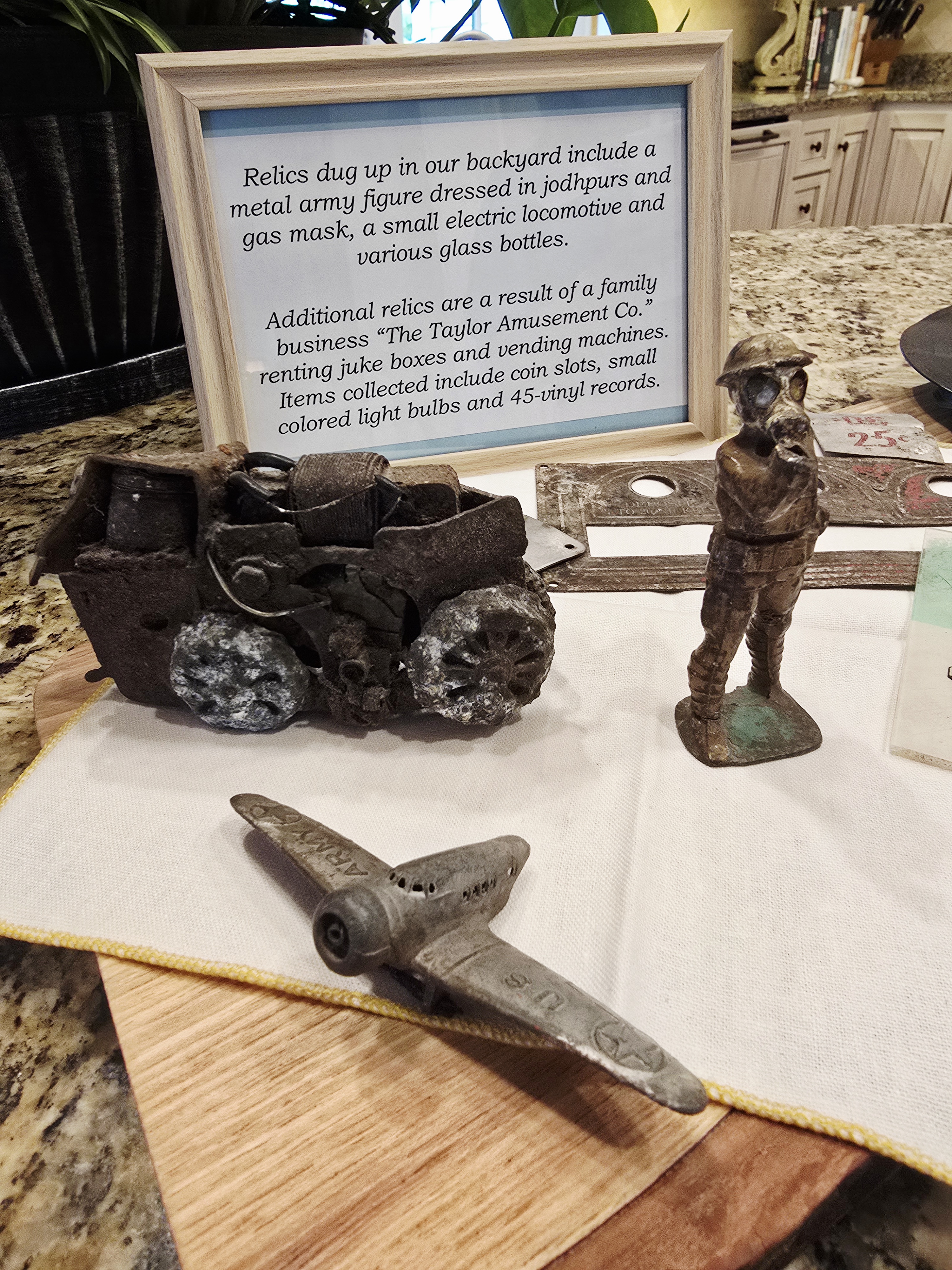
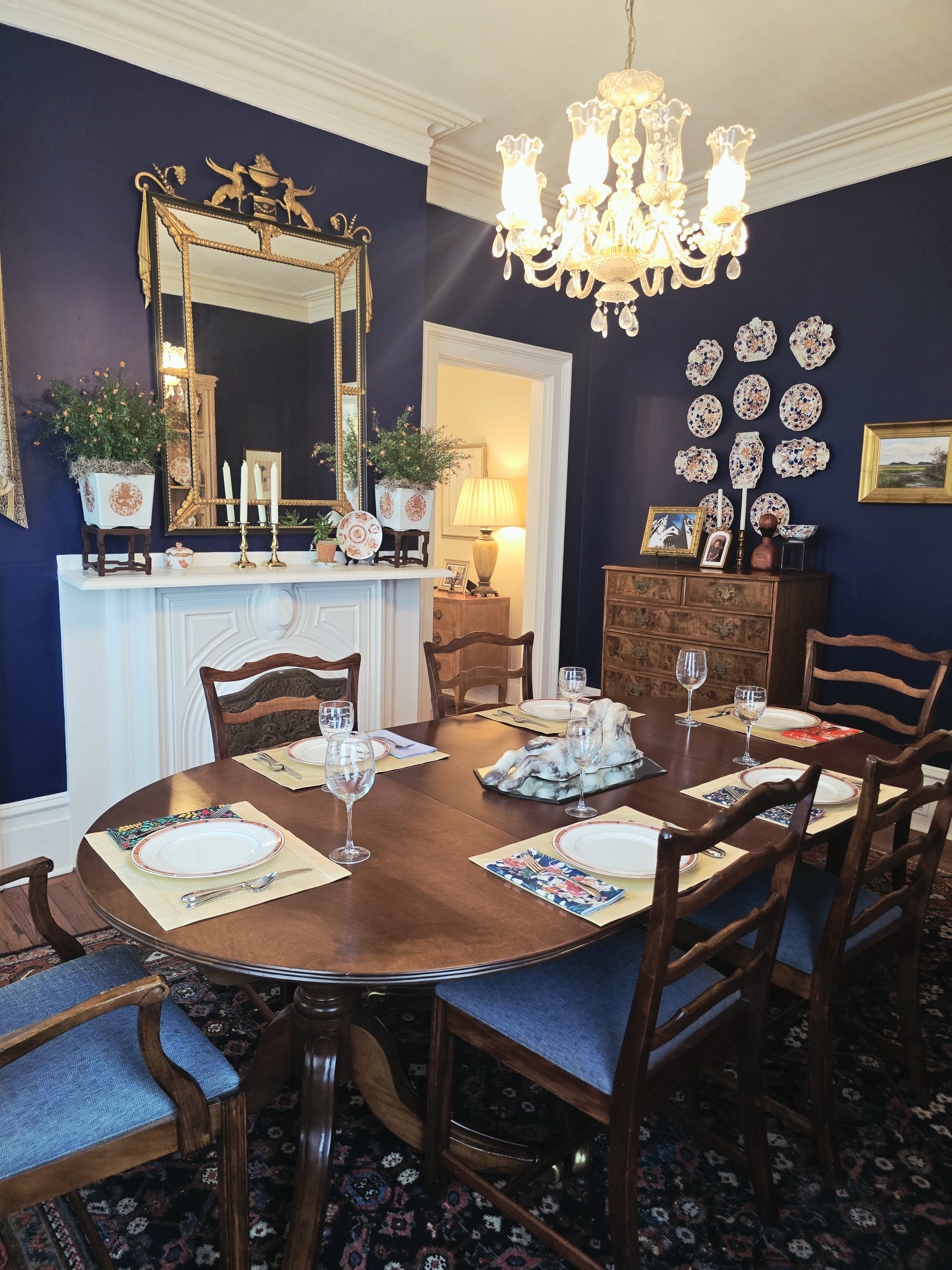
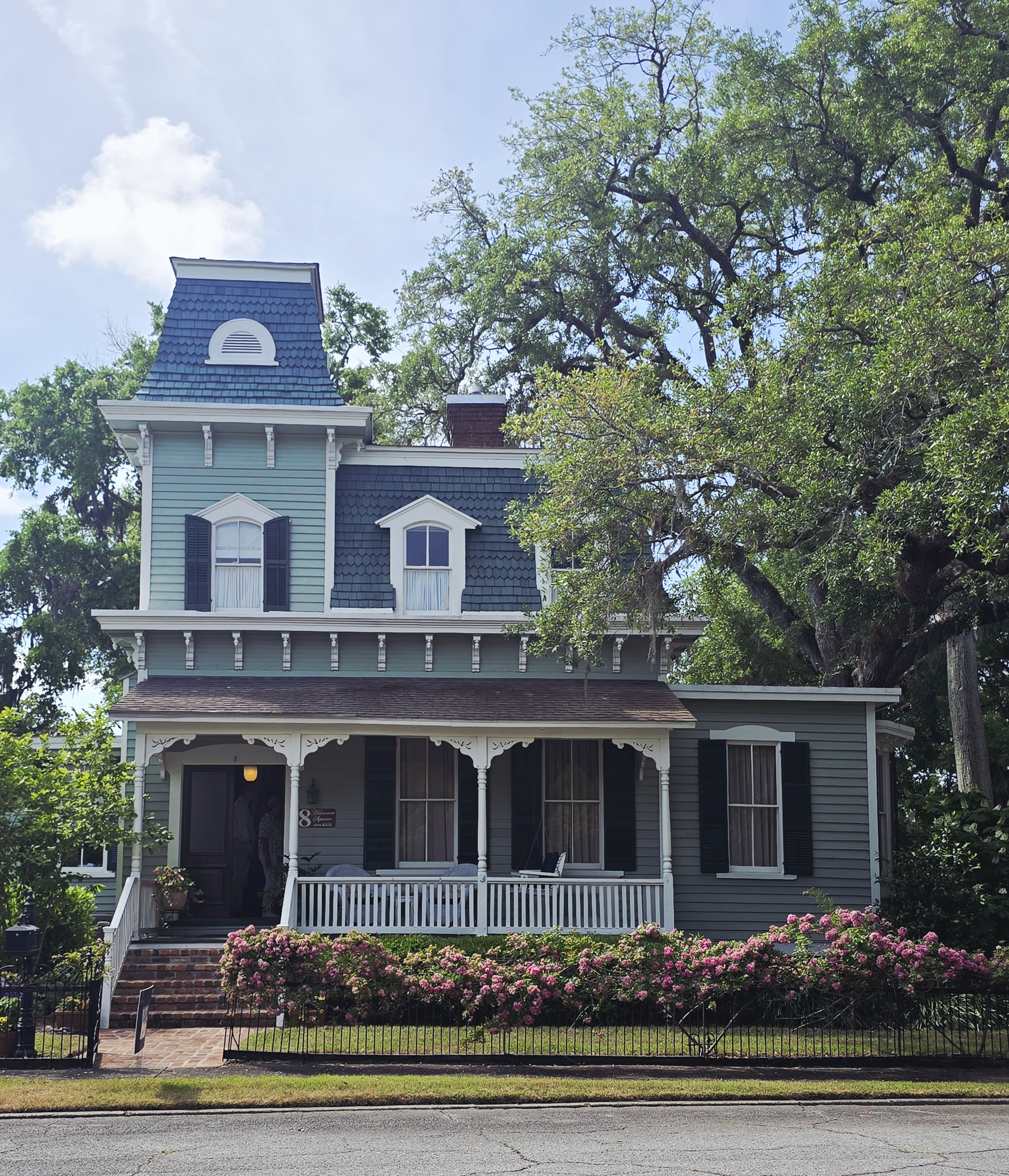
The first house we visited was a Second Empire built in 1880 by Dr. William Berrien Burroughs for his wife’s three unmarried sisters. The home, which remained in their family until 1993, was located on the edge of Hanover Square, one of the 14 squares of Brunswick. Throughout the house, we saw relics from an amusement park owned by a previous occupant of the house.


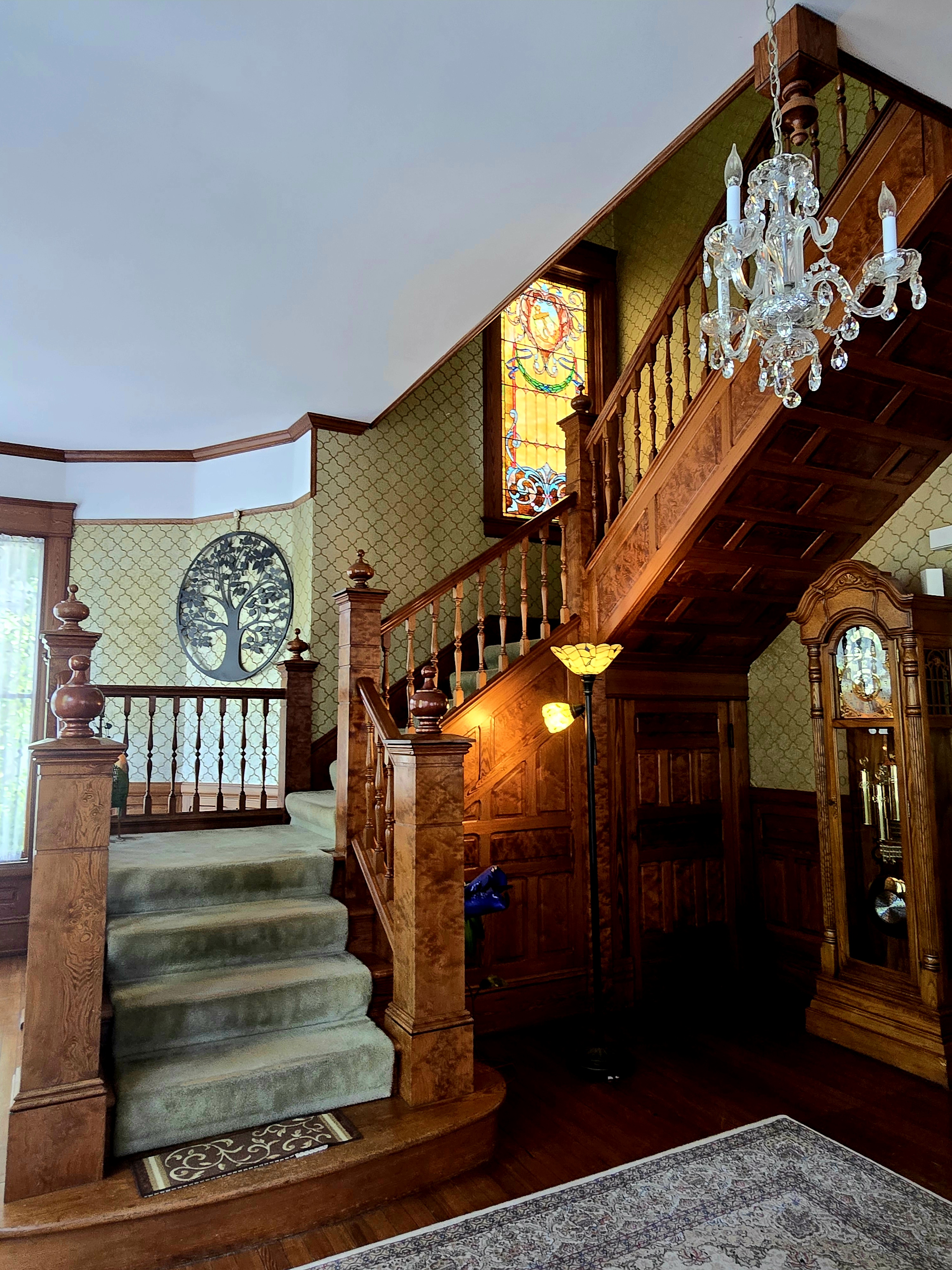
The Lissner Mansion was built in 1905 in the neoclassical style for J.J. Lisner, a local grocer turned bank president. The floorplan came out of a plan book by George Barber, whose designs could be found along Union Street where this home was. In fact, this street was once known as “Millionaire’s Row”. I opened the front door into an immense foyer and grand staircase which featured a beautiful stained glass window. Typically, upstairs bedrooms had less intricate woodwork since visitors don’t see them, but this home had amazing details on the molding in the corner study. The home was used in the filming of “Conrack” which was based on “The Water is Wide” by Pat Conroy.
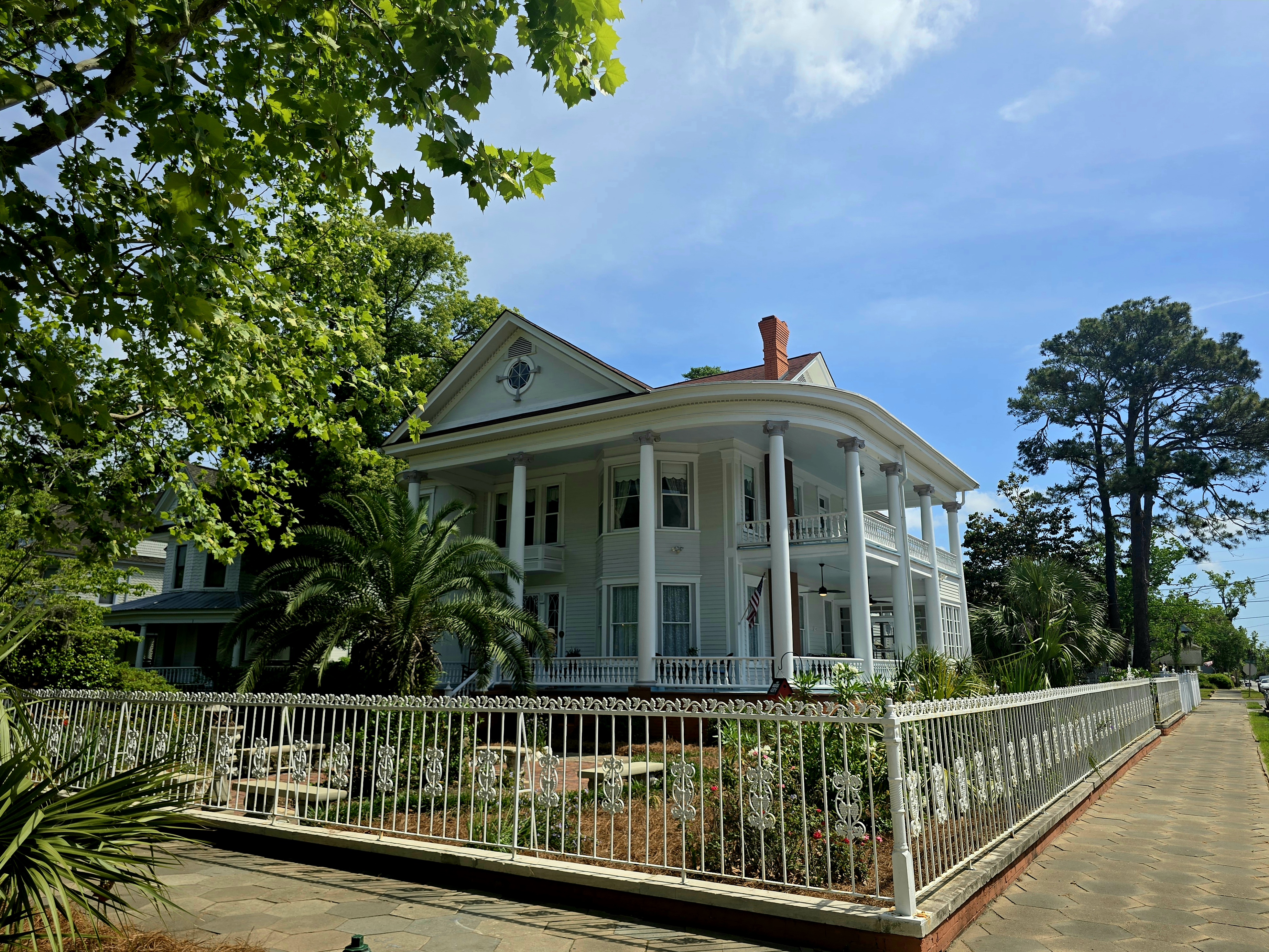


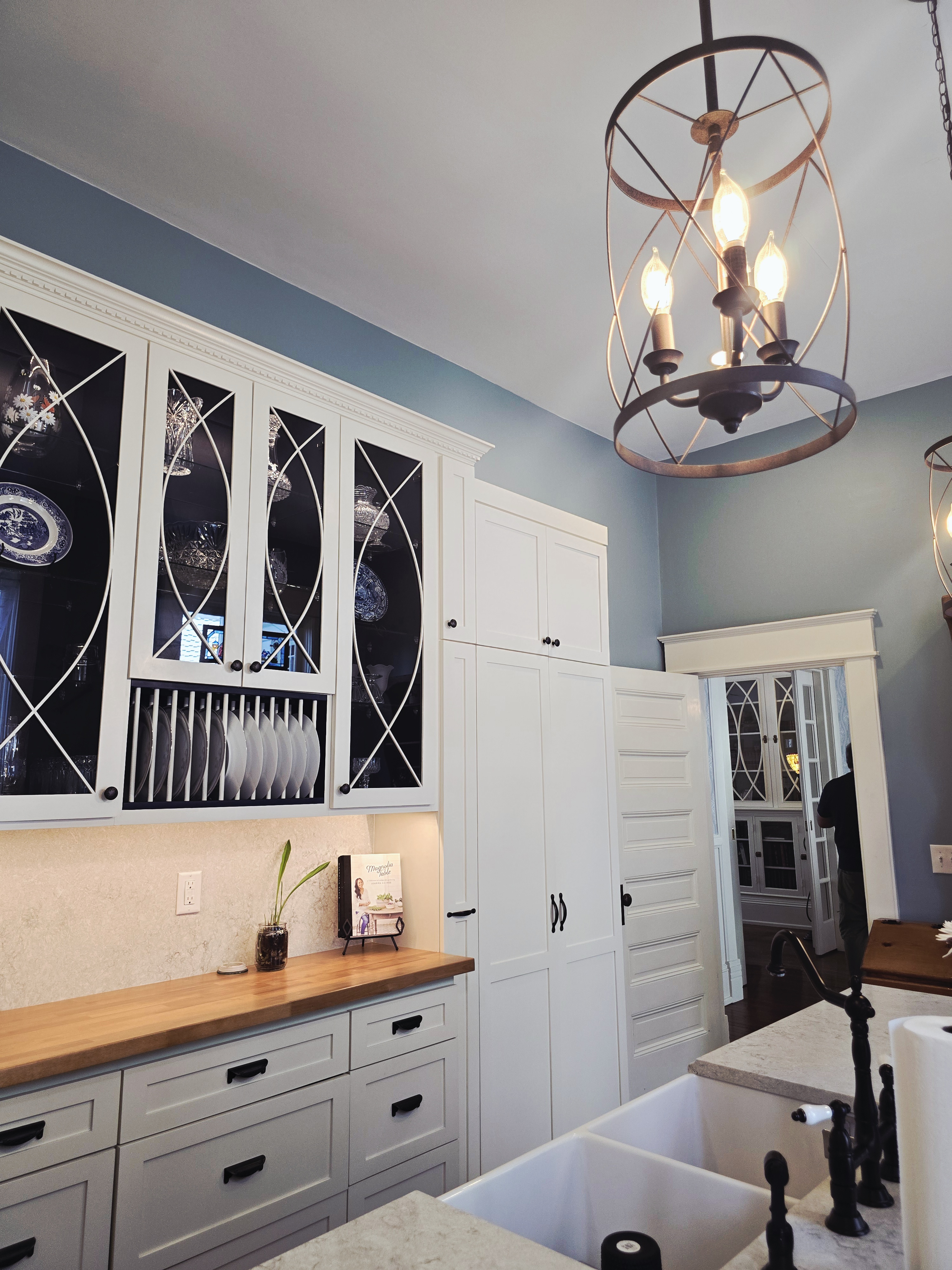

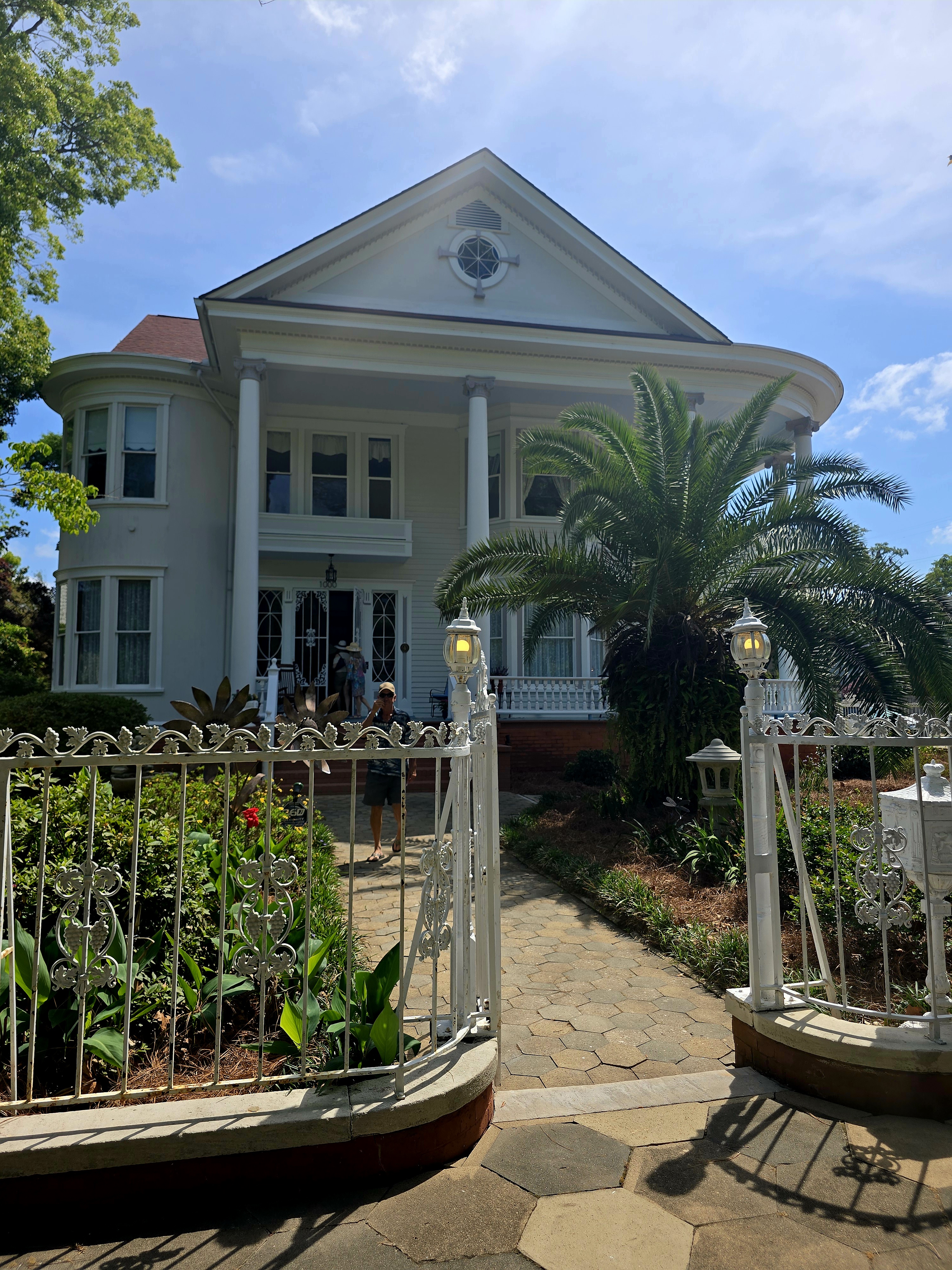


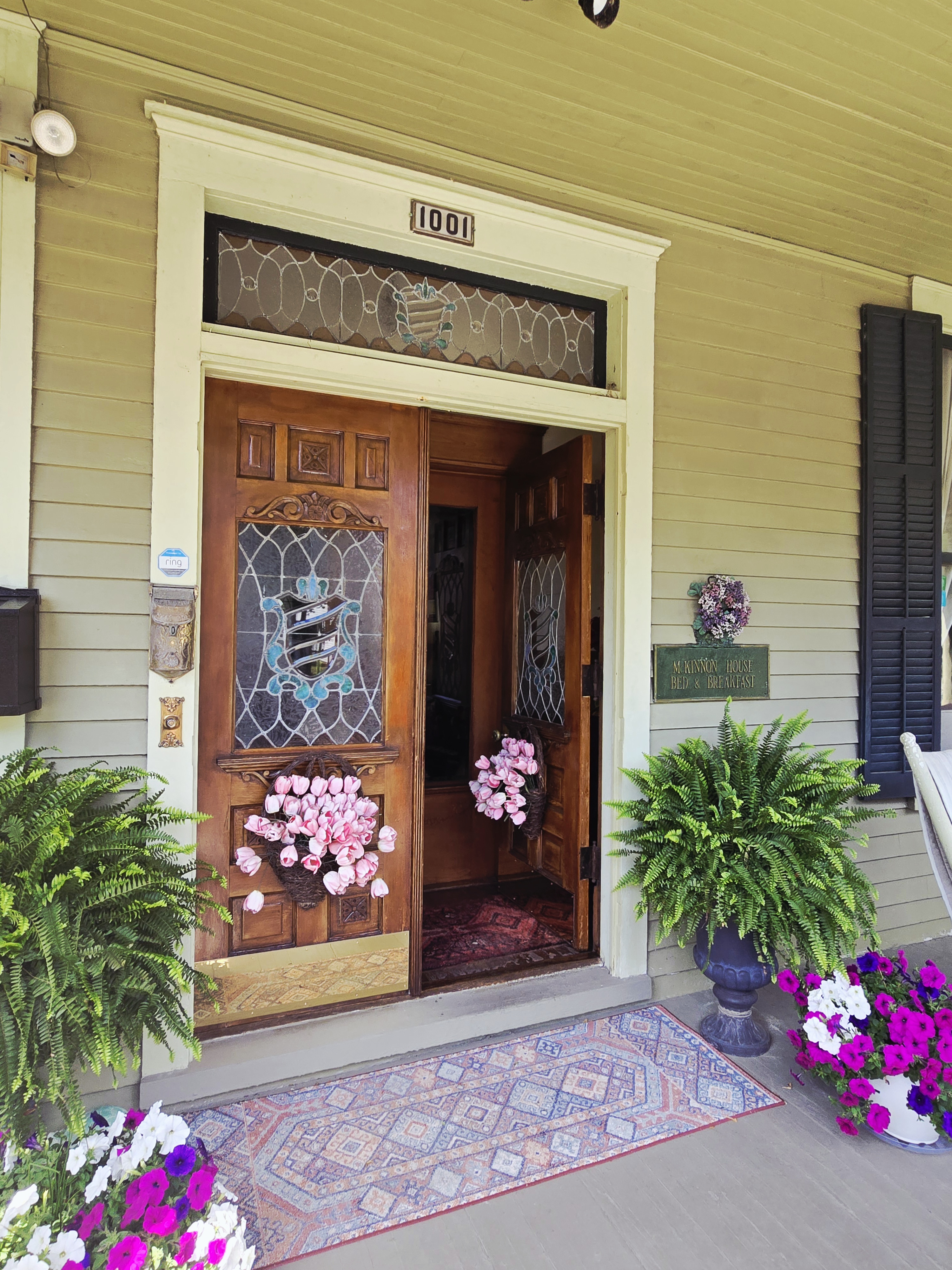
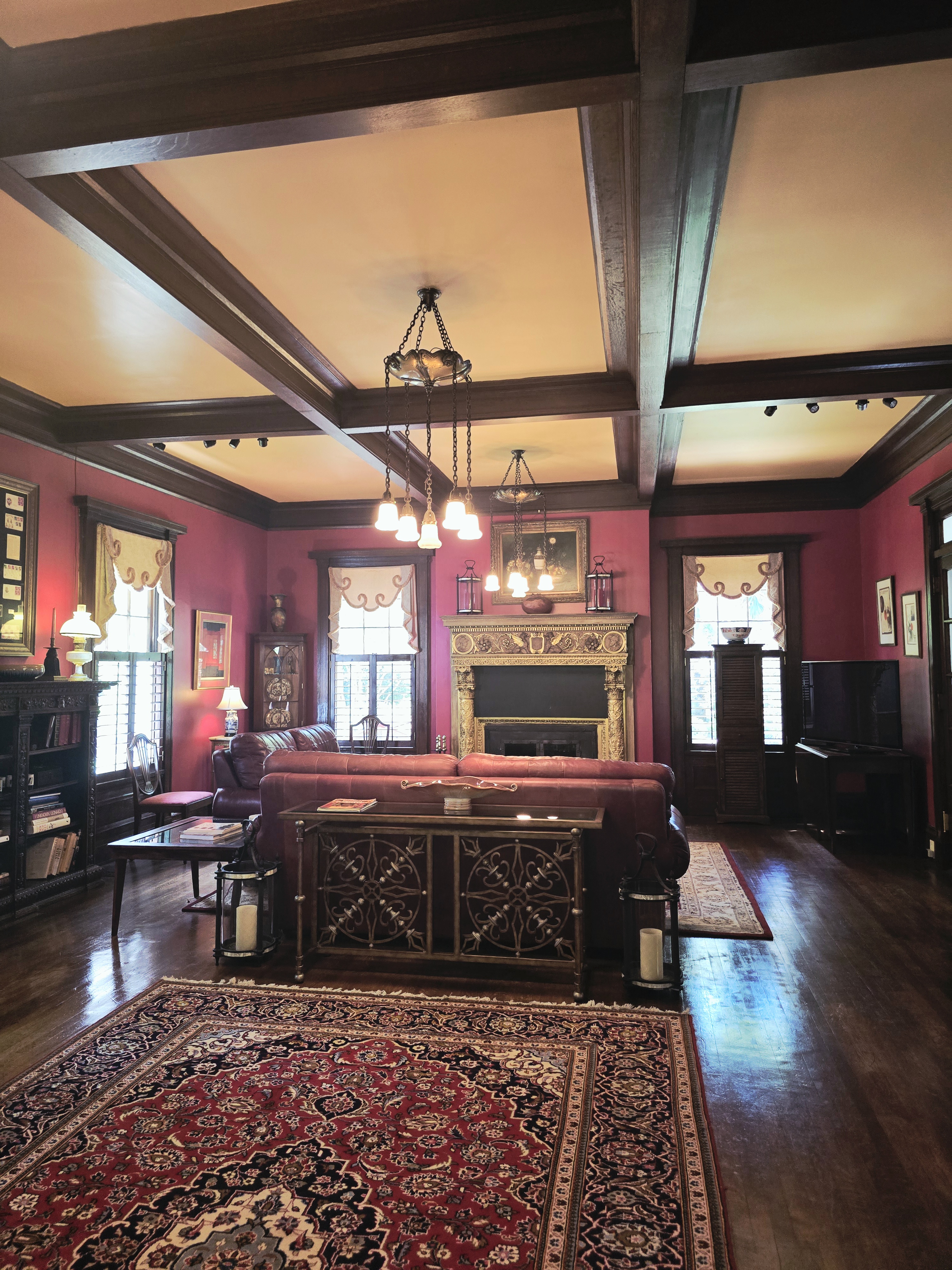
Lumber magnate L.T. McKinnon built this Queen Anne beauty in 1902. Of course, I love Queen Anne style, but this house also had a UGA flag flying out front! Outside, 17 Corinthian columns along the front and left porch, while the inside features nine fireplaces, each with a distinct mantle. McKinnon’s career as a lumber baron is obvious with the rich woodwork throughout the home. Like the Lissner Mansion, this house was also featured in the 1974 film “Conrack”.


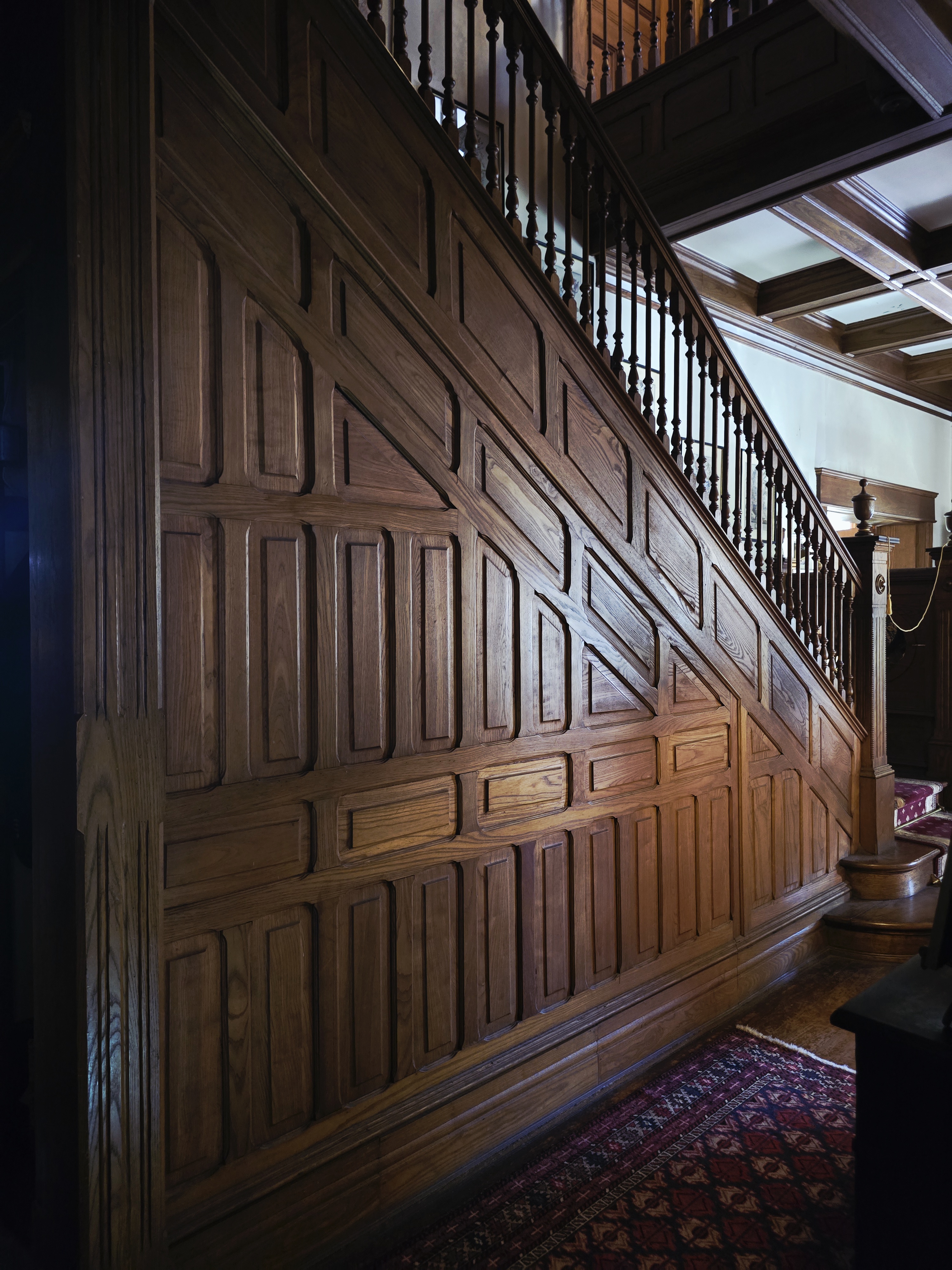
The Strachan Mansion, began as a Queen Anne mansion in 1902 for Captain Frank Strachan, a Scottish immigrant whose family ran a shipping company in Scotland. When Strachan built the home, he included a 15th century fireplace from a castle in Florence, Italy in the great room, and later converted their home to an English Edwardian. Strachan served as president of the Brunswick and Florida Steamboat Company, president of a bank, owner of a trolley company from 1911 to the 1930s, and a developer of St Simons Village. Strachan was known for his menagerie of animals, and a beautifully designed garden, much of which is still on the property today.
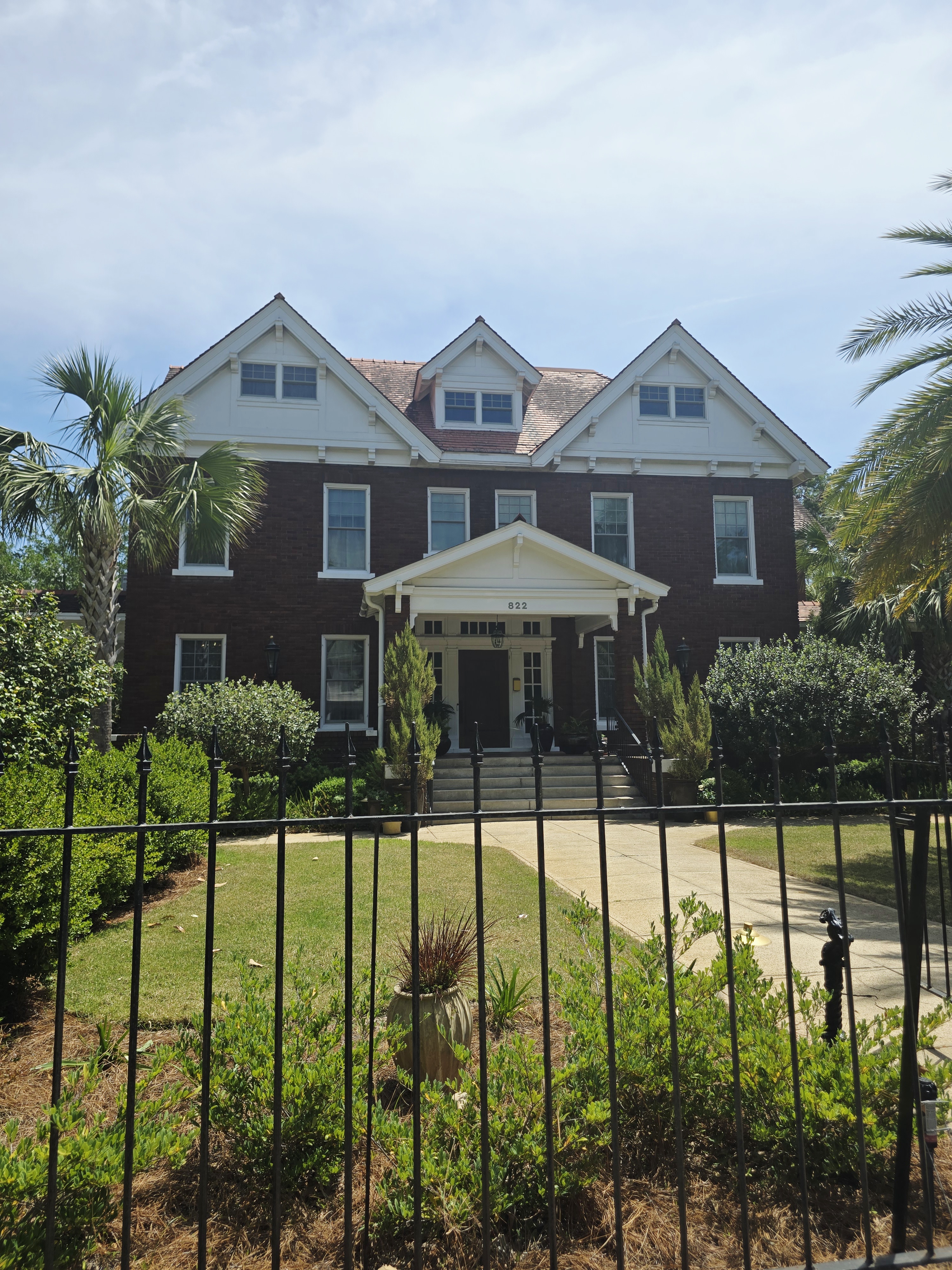
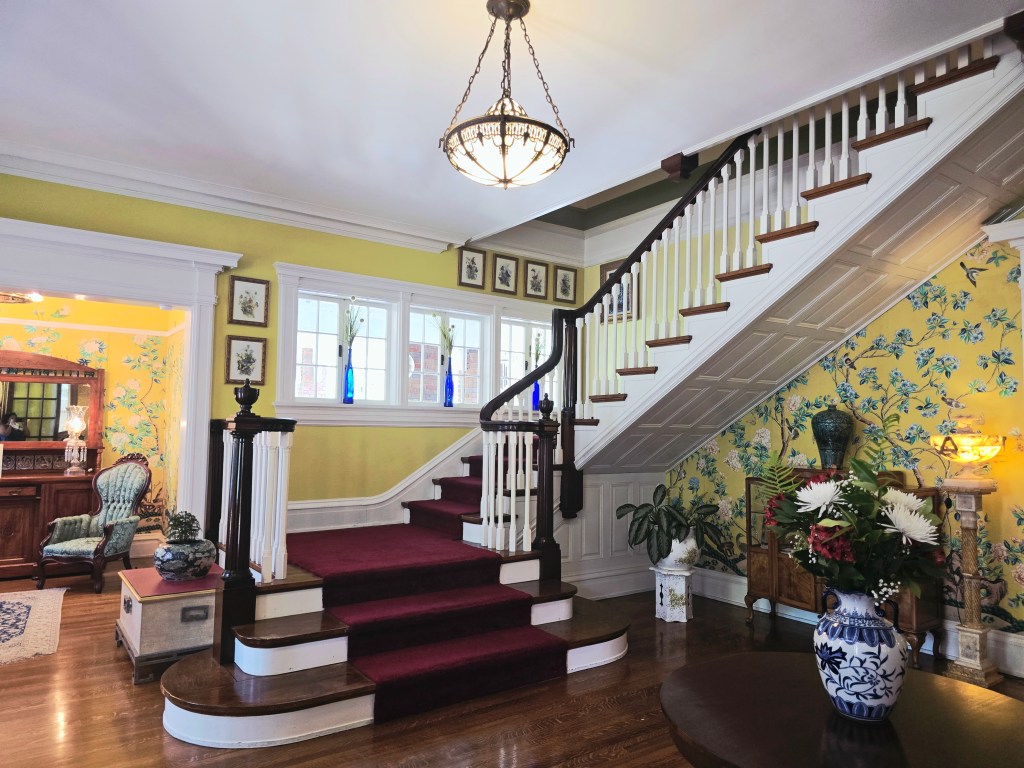
The Reynolds House was built in 1894 in the Folk Victorian style facing Magnolia Square. It was a single family home until the 1940s, when it became a rooming house for women working on Liberty Ship. It was split into apartments in the 1960s, and then as offices into the 1990s. It is not an events venue, often used in conjunction with the Queen and Grant, where we would be eating dinner later.


After a delicious lunch at Tipsy McSwain’s (see the door pic), we walked around downtown to see a few commercial and residential spaces. The Historic Ritz Theatre was built as the Grand Opera House in 1889 and turned into a movie theater in the 1920s. The Leotis Building was built as a storage and distribution warehouse in 1940, and was converted into commercial space on the ground floor and 12 apartment units upstairs. The Kress was built for Samuel Kress as a five and dime in 1902, and has been redeveloped into an upscale hotel, The Kress Brunswick.


Before dinner, we visited two places of worship, St. Athanasius Episcopal Church and Temple Beth Teffiloh, both built in 1890. Temple Beth Teffiloh was designed by Alfred Eichberg, a Jewish architect who also designed the Brunswick Old City Hall and other buildings in Atlanta, Savannah and North Carolina. The keyhole windows, minarets and onion domes of the Moorish Revival style were popular in the late 19th century. St. Athanasius Episcopal Church was built to replace the original building damaged by a storm. The Gothic Revival is made of tabby, a rarity in Brunswick, and has pews with wooden dividers on a center aisle. The church added stained glass to commemorate the Civil Rights movement in 2000. The rabbi and minister for both visited with us and provided more history about the buildings and their congregation.

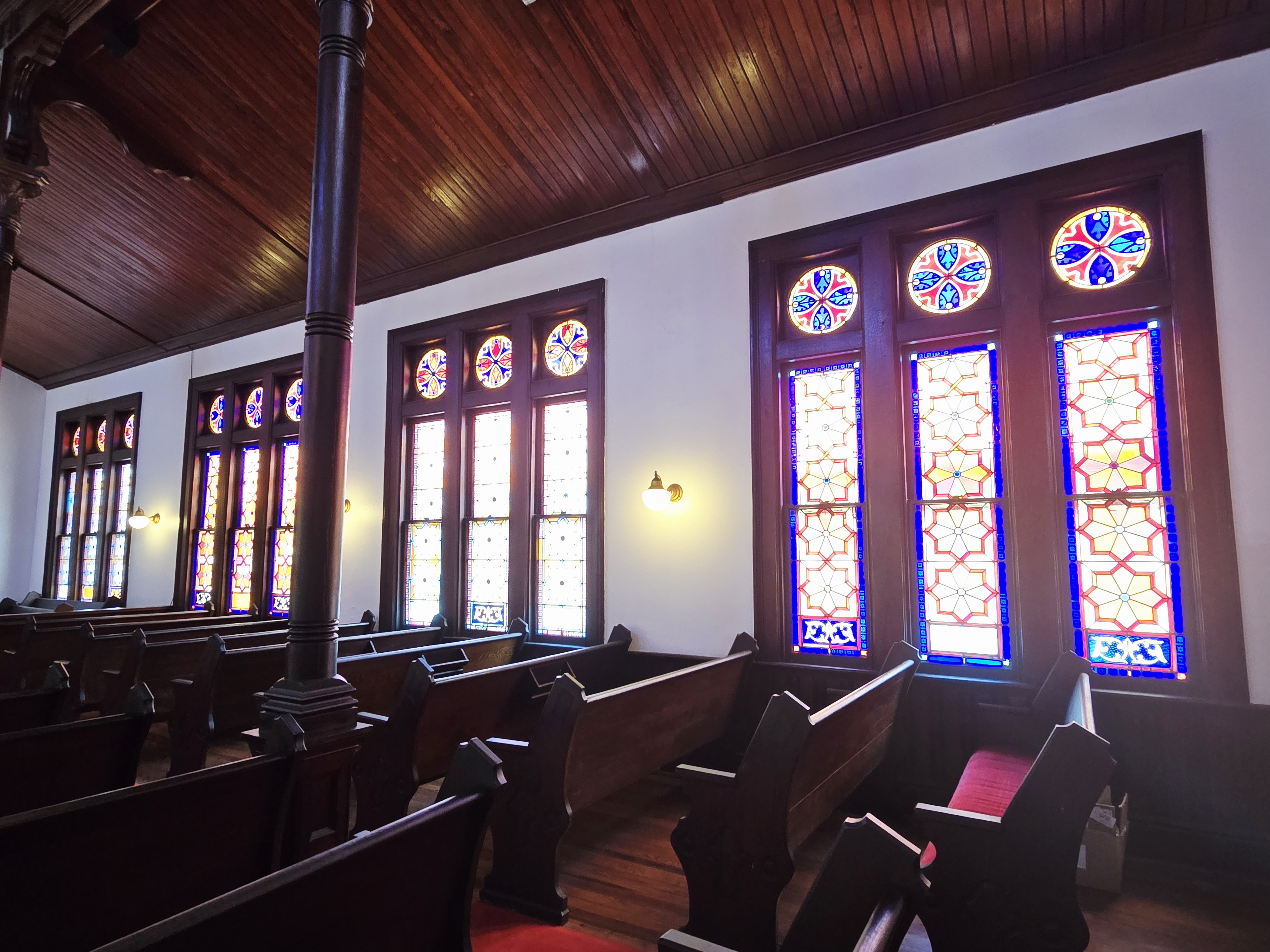

Before we went to dinner, we stopped at the Historic Brunswick Courthouse, which wasn’t on the Ramble list, but was too beautiful to pass up. Surrounded by live oaks in Magnolia Square, the courthouse was designed by Charles Alling Gifford from Gifford & Bates, a New York architectural firm, and completed in 1907. Gifford also designed the Mistletoe Cottage, San Souci Apartments and the Clubhouse Annex on Jekyll Island.


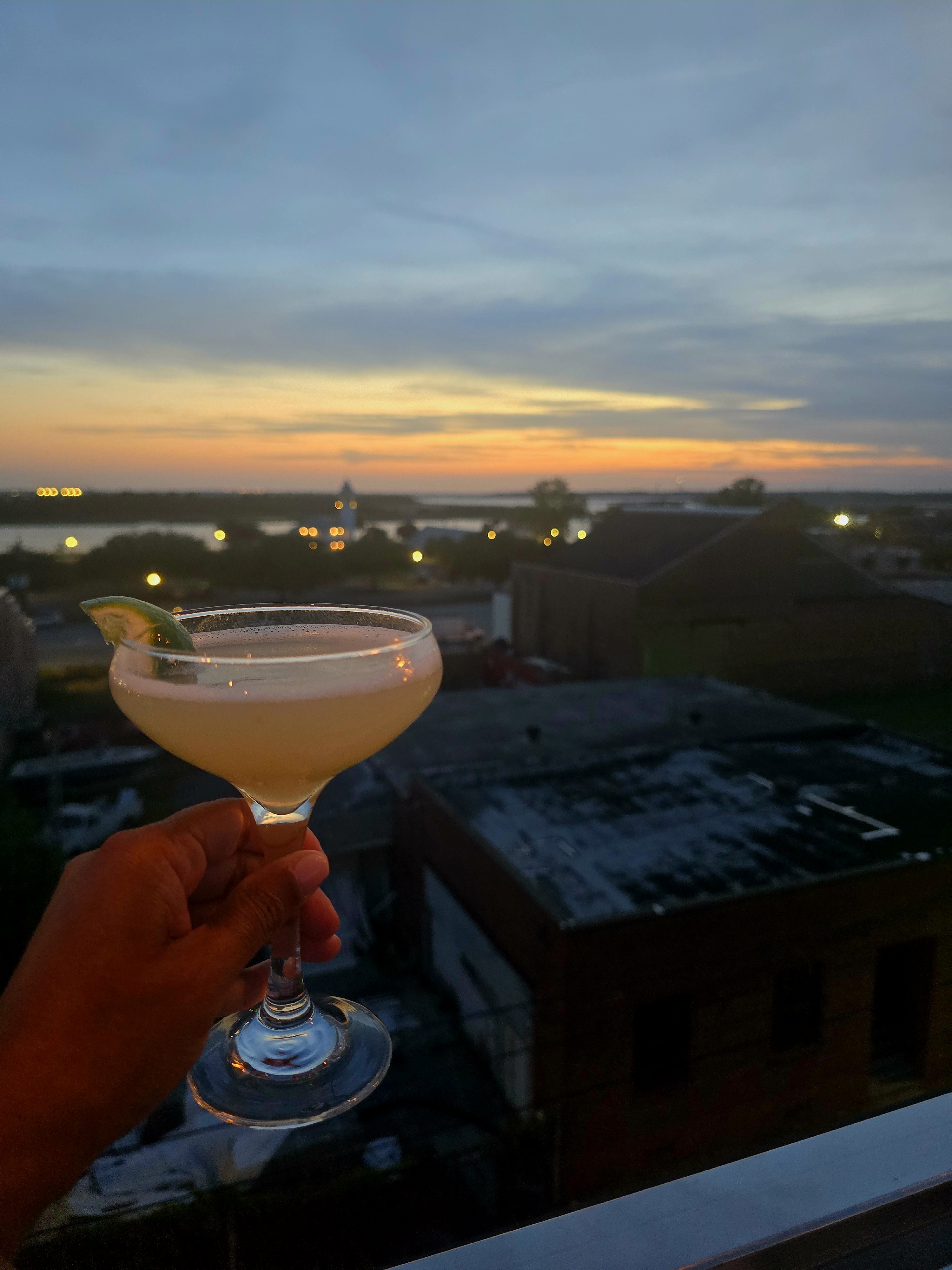
The day ended watching the sunset from the rooftop bar above the Kress Brunswick hotel, 1509 Brunswick, and reminiscing about all of the beauties that we saw throughout the day.
The second day of the Ramble began at Brunswick’s Old City Hall again for breakfast, and then to St. Francis Xavier Church (1961) for the historic preservation annual awards ceremony. Next, we left the downtown area to homes closer to the marsh and islands, including a mid-century international style and a red brick colonial.
The mid-century international was built as a home and office for Cormac McGarvey, a local architect, in 1957. McGarvey designed many mid-century modern homes, including those on Jekyll Island. His style known as “Coastal Brutalist” featured flat roofs, floor to ceiling windows which took advantage of the coastal views, and concrete breeze blocks which could withstand hurricanes. We would see one of his designs later on Jekyll Island on Sheldon Drive.


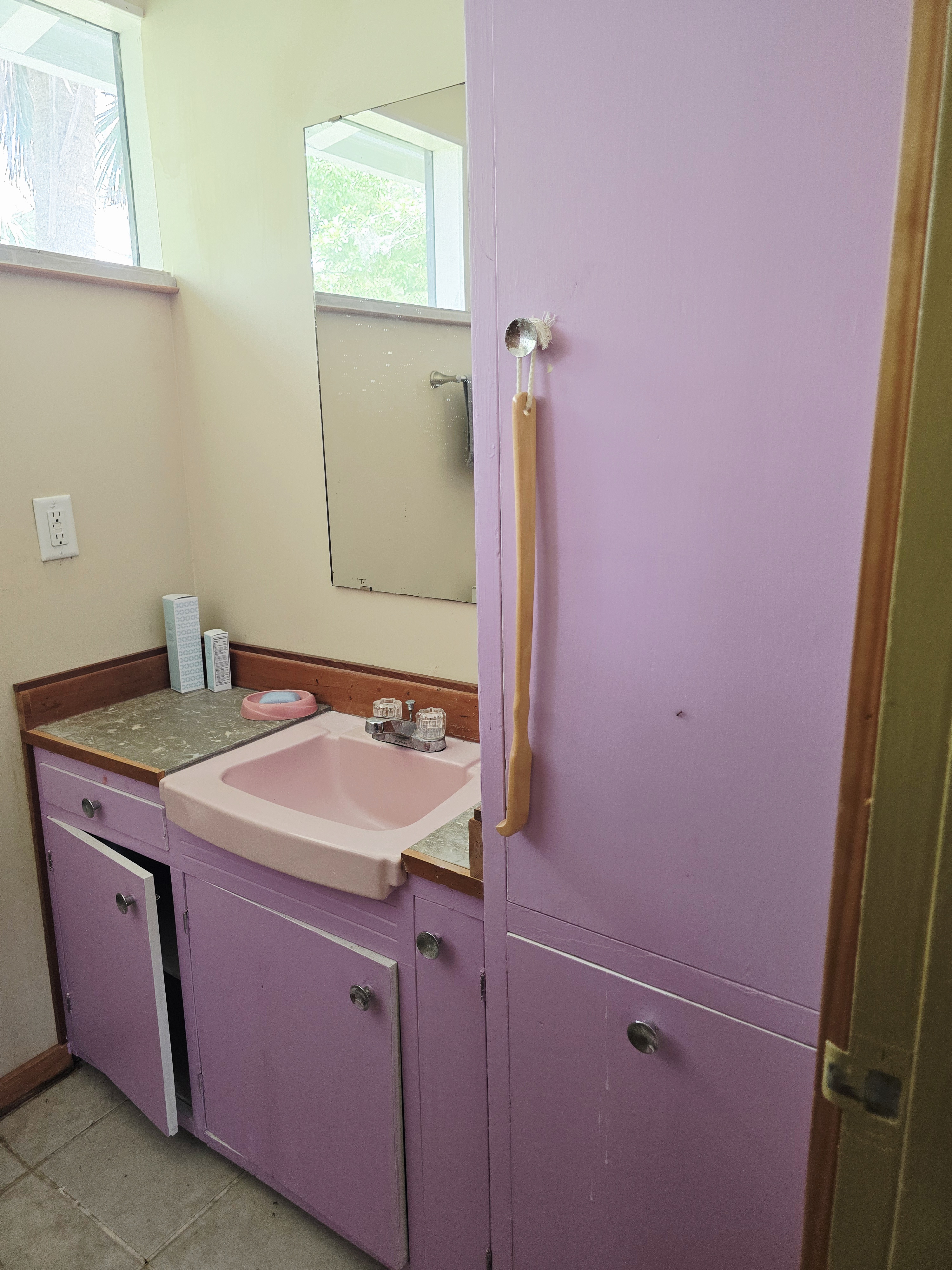
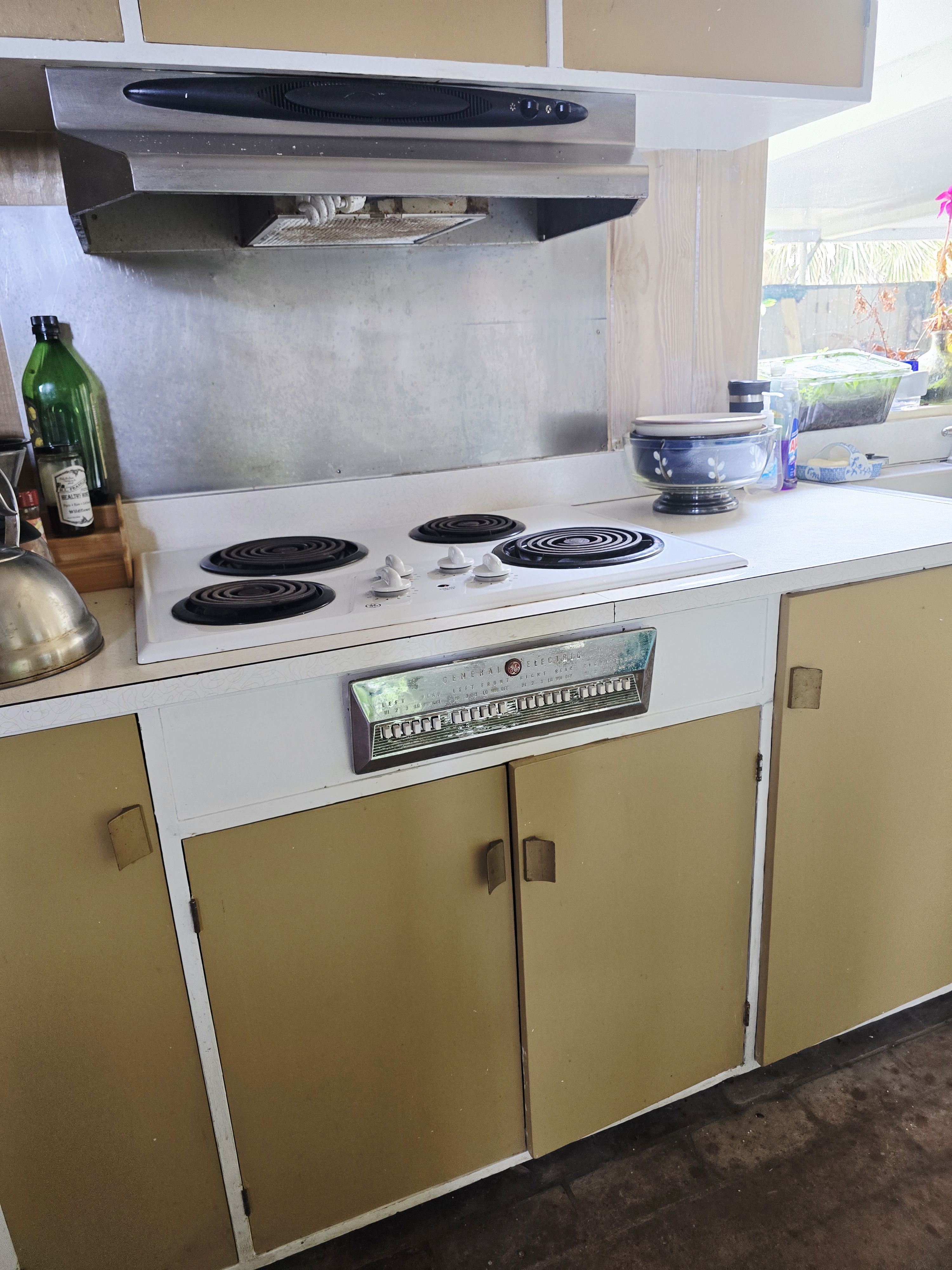
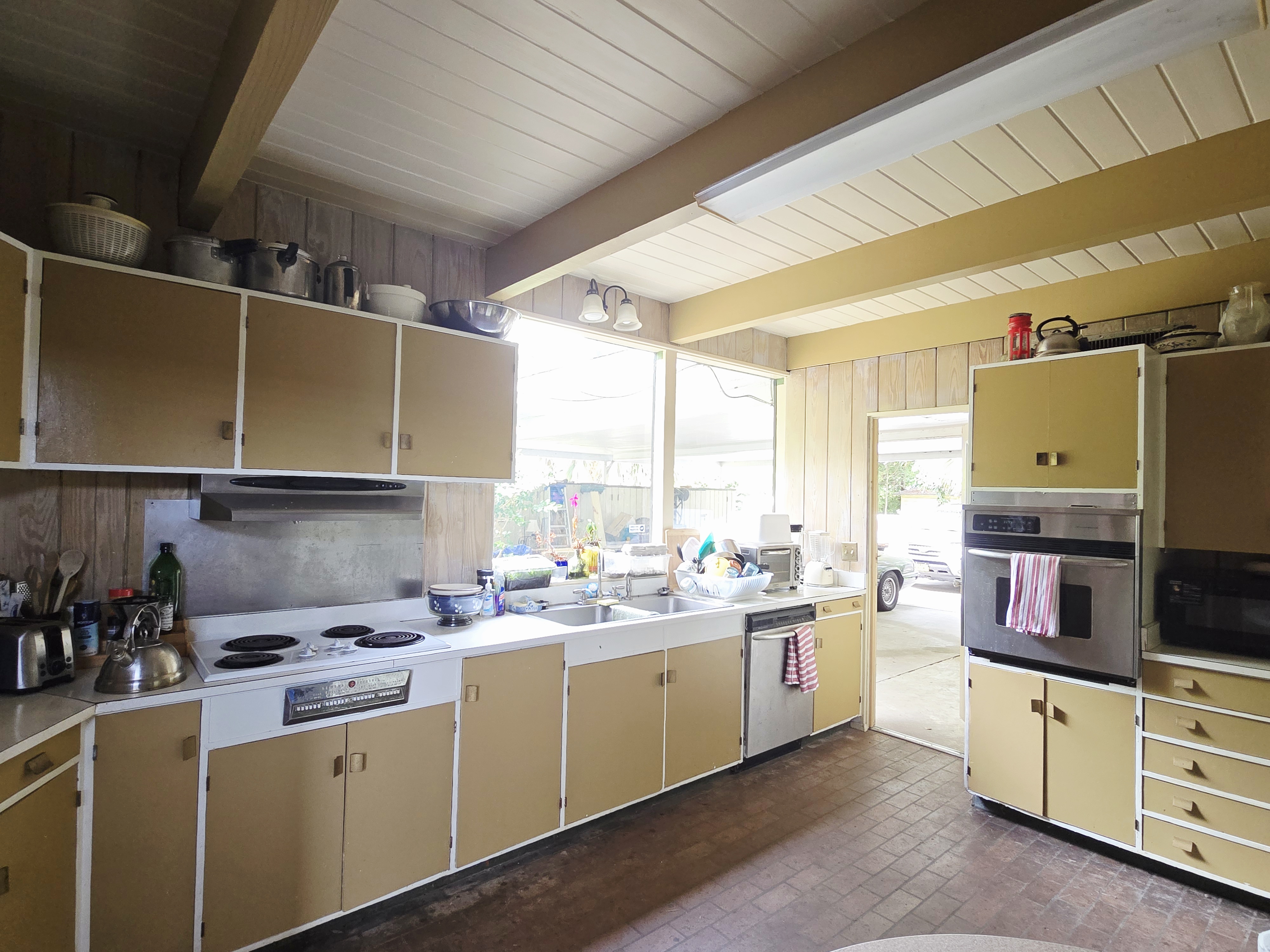
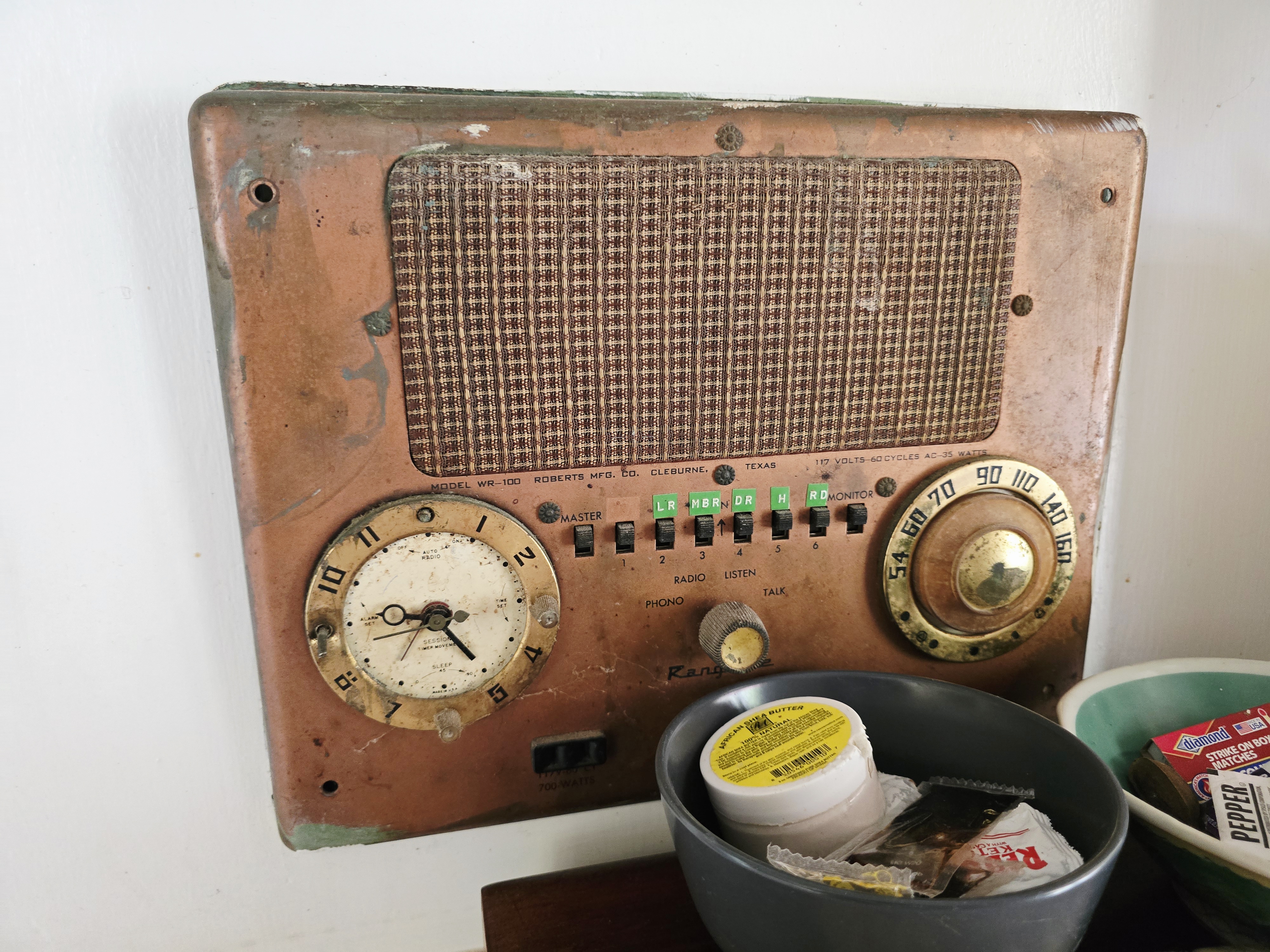
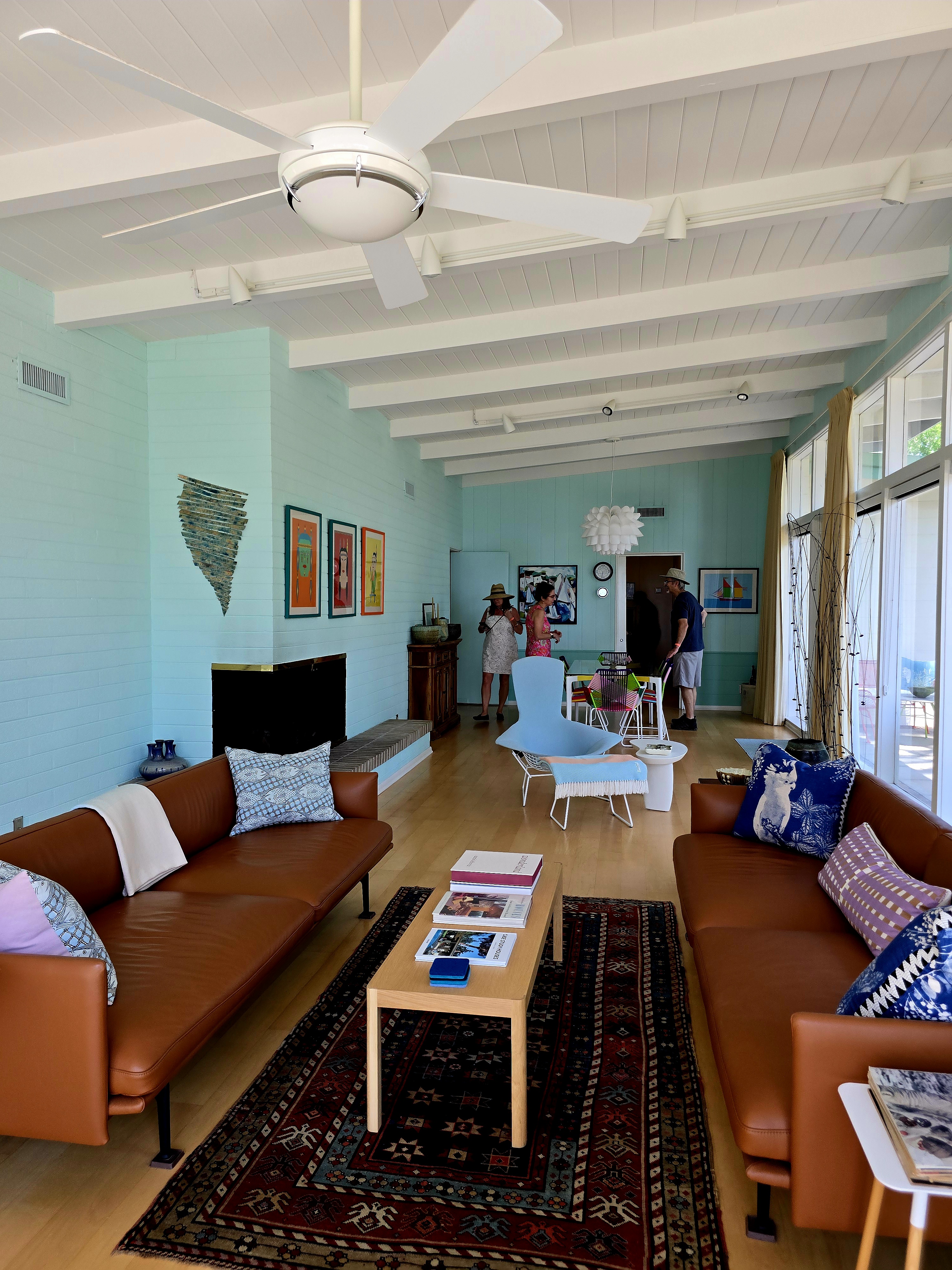
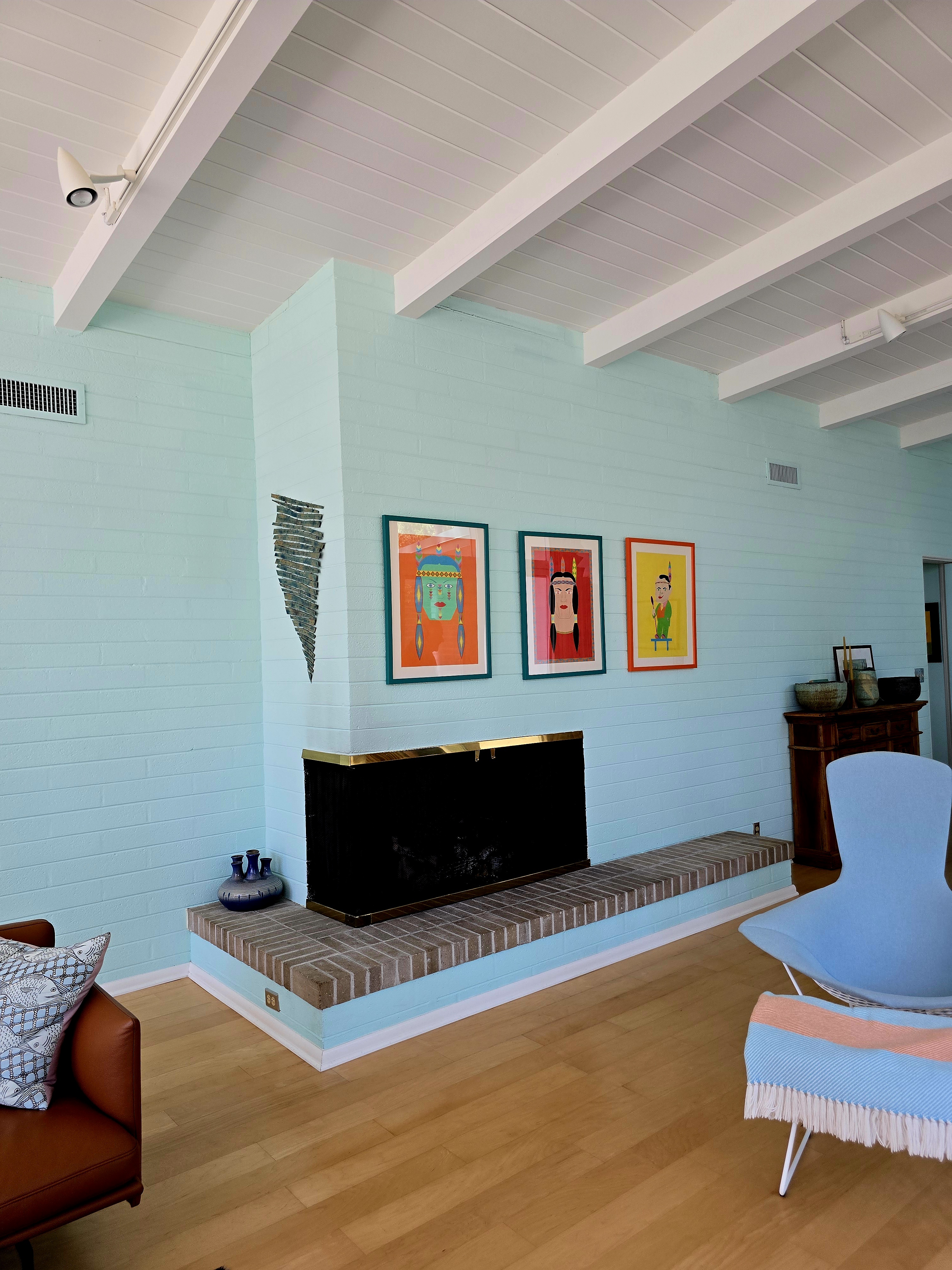
Next stop for the Ramble Rousers: Jekyll Island for mid-century modern beauties and turn o=-the-century “cottages” for the wealthy near Jekyll Island Club. We started with two mid-century modern – one on Thorne Lane, and one on Sheldon Avenue. Both houses had walls of windows in the living areas, bringing in sunshine throughout the day.


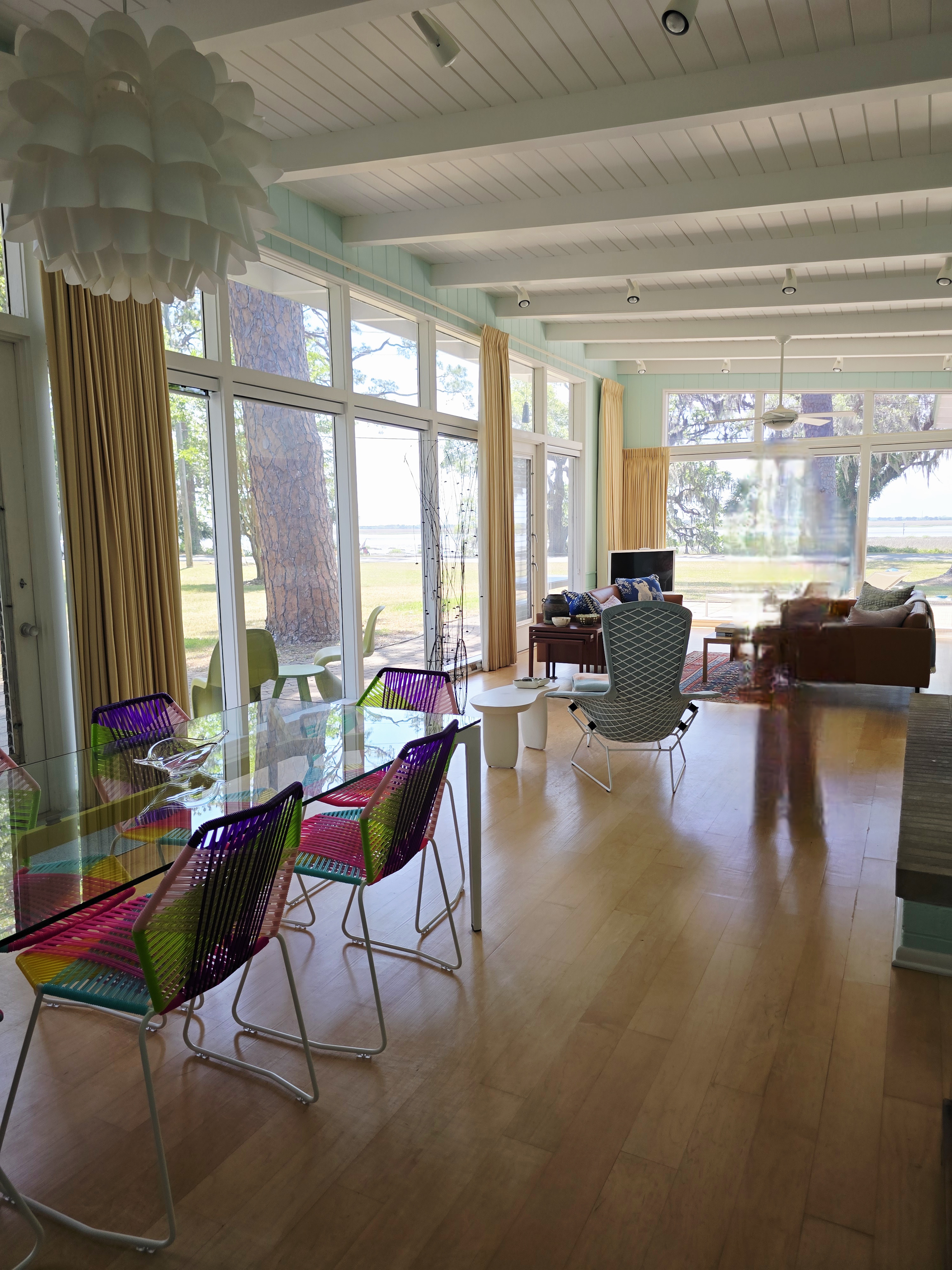
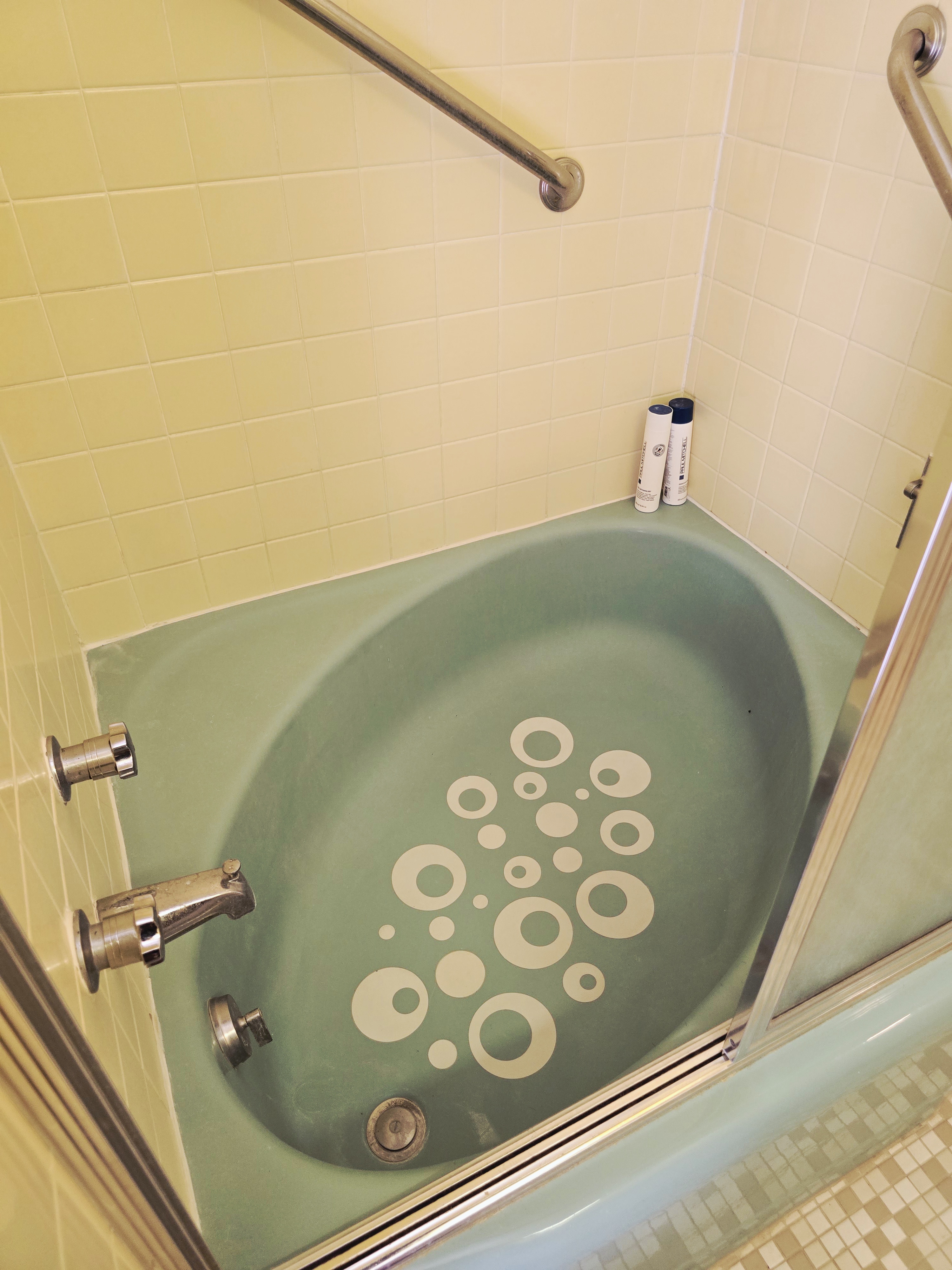
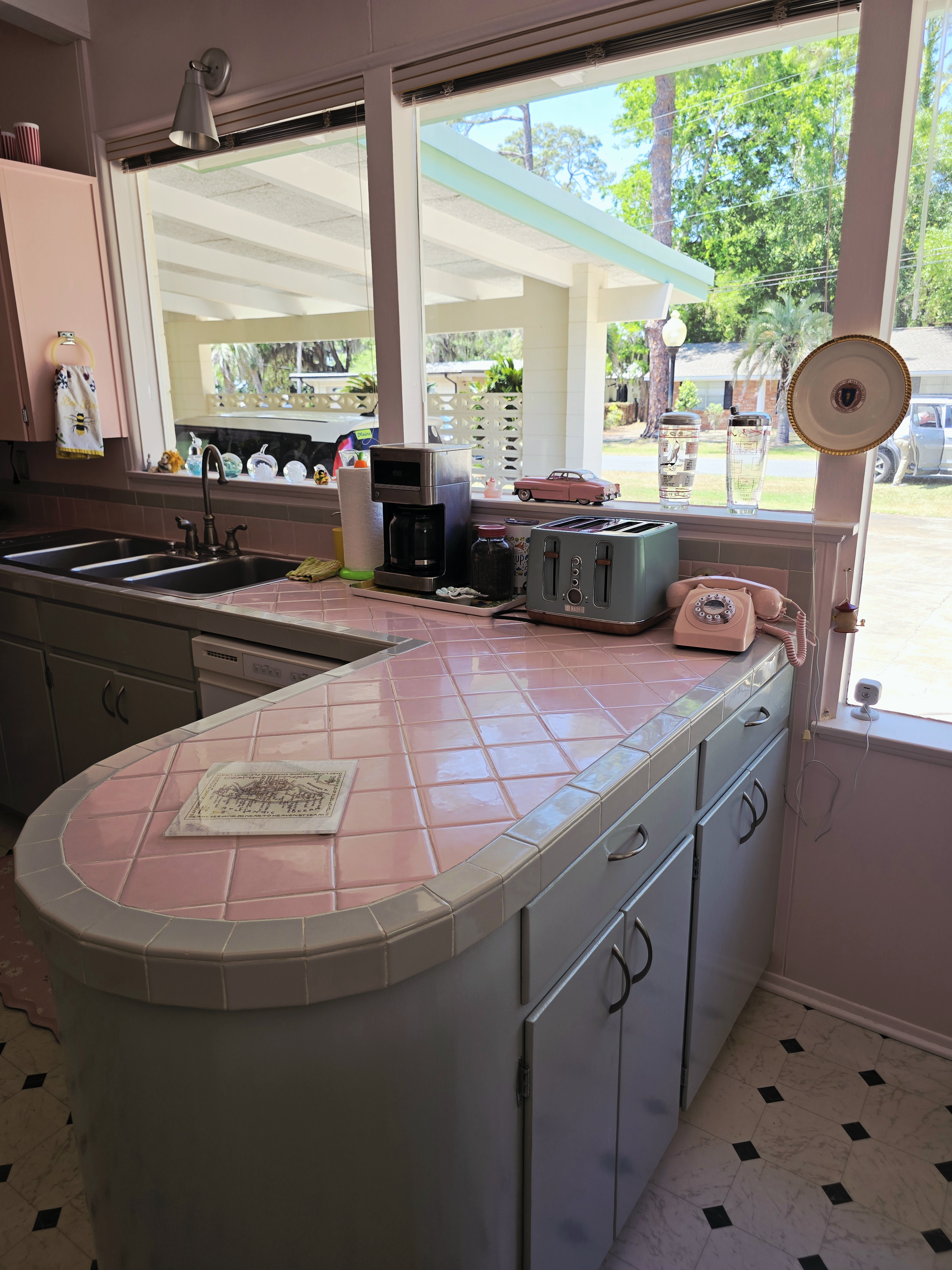

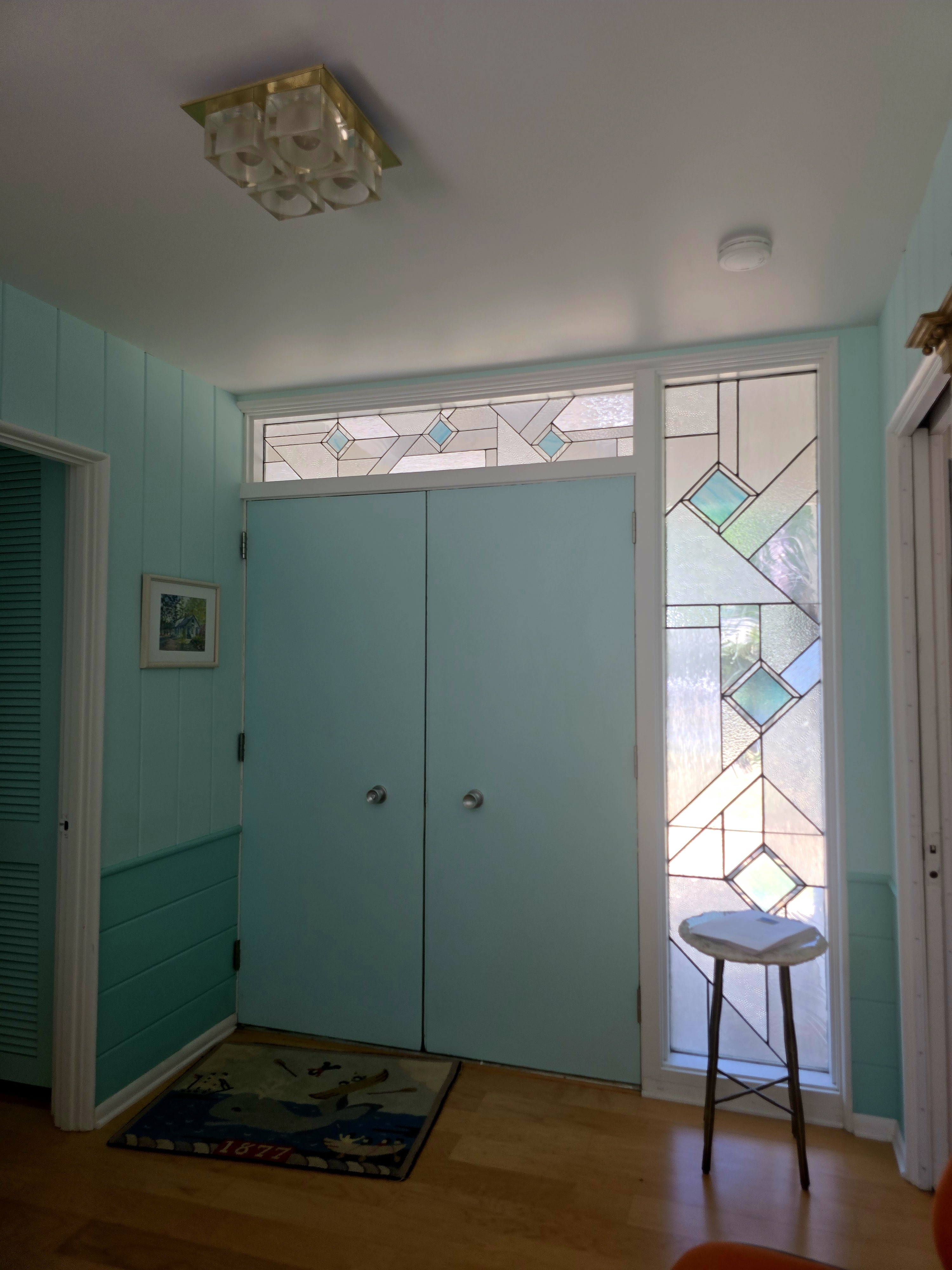
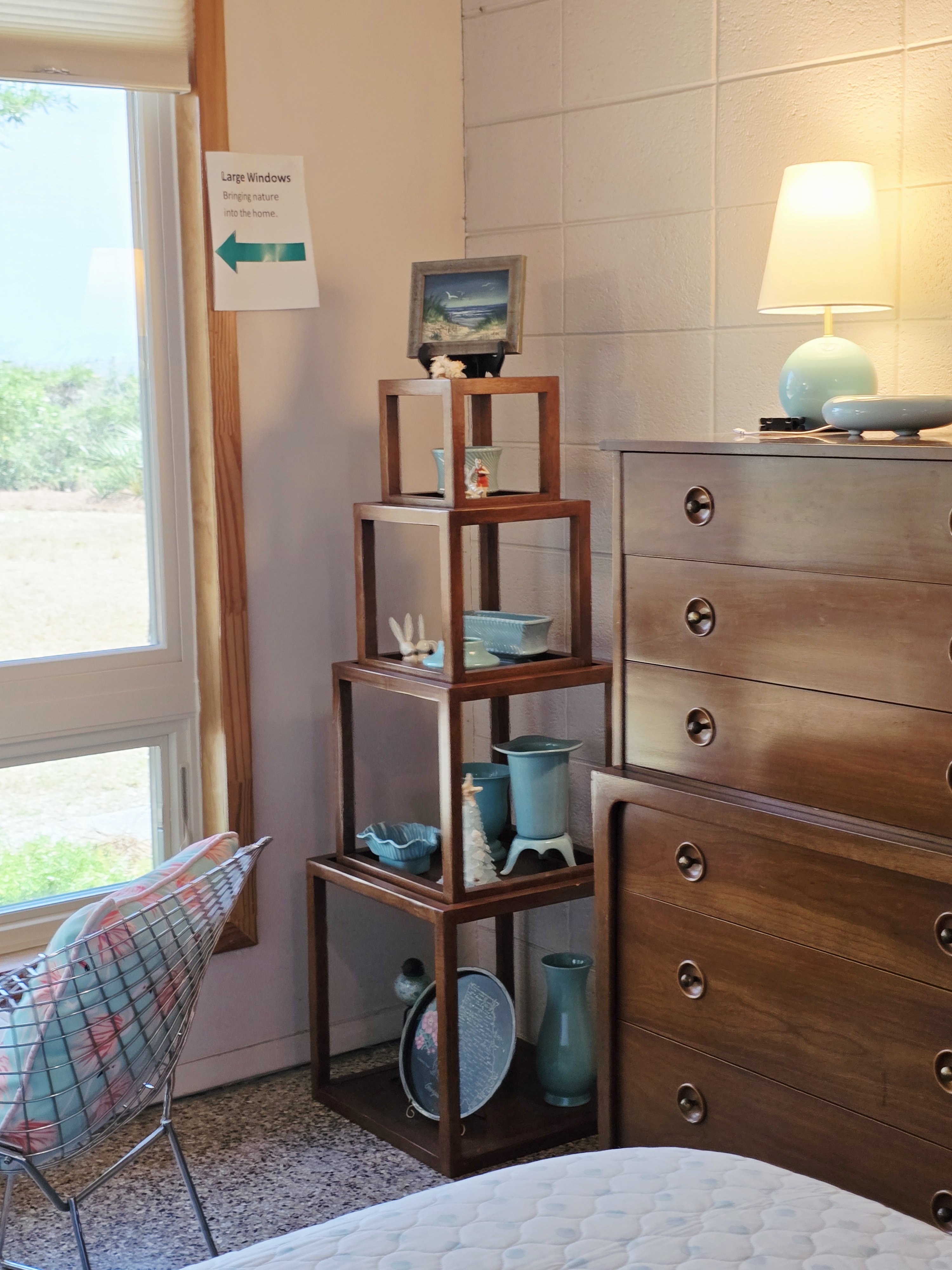
One Sheldon Avenue was designed by Cormac McGarvey, whose house we saw earlier that day. Built in 1961, the home was designed with its geographic location in mind, taking into account how the sun shines through windows at different times of the day and year. The kitchen and bathroom both still had original fixtures and counters. The bathroom had a square tub, which I’d never seen before, but I would see in the other mid-century house as well. The homeowner added period furniture, and to enclose the garden and patio adjacent to the kitchen, a concrete breeze block wall which matched the original breeze block wall in front of the house.
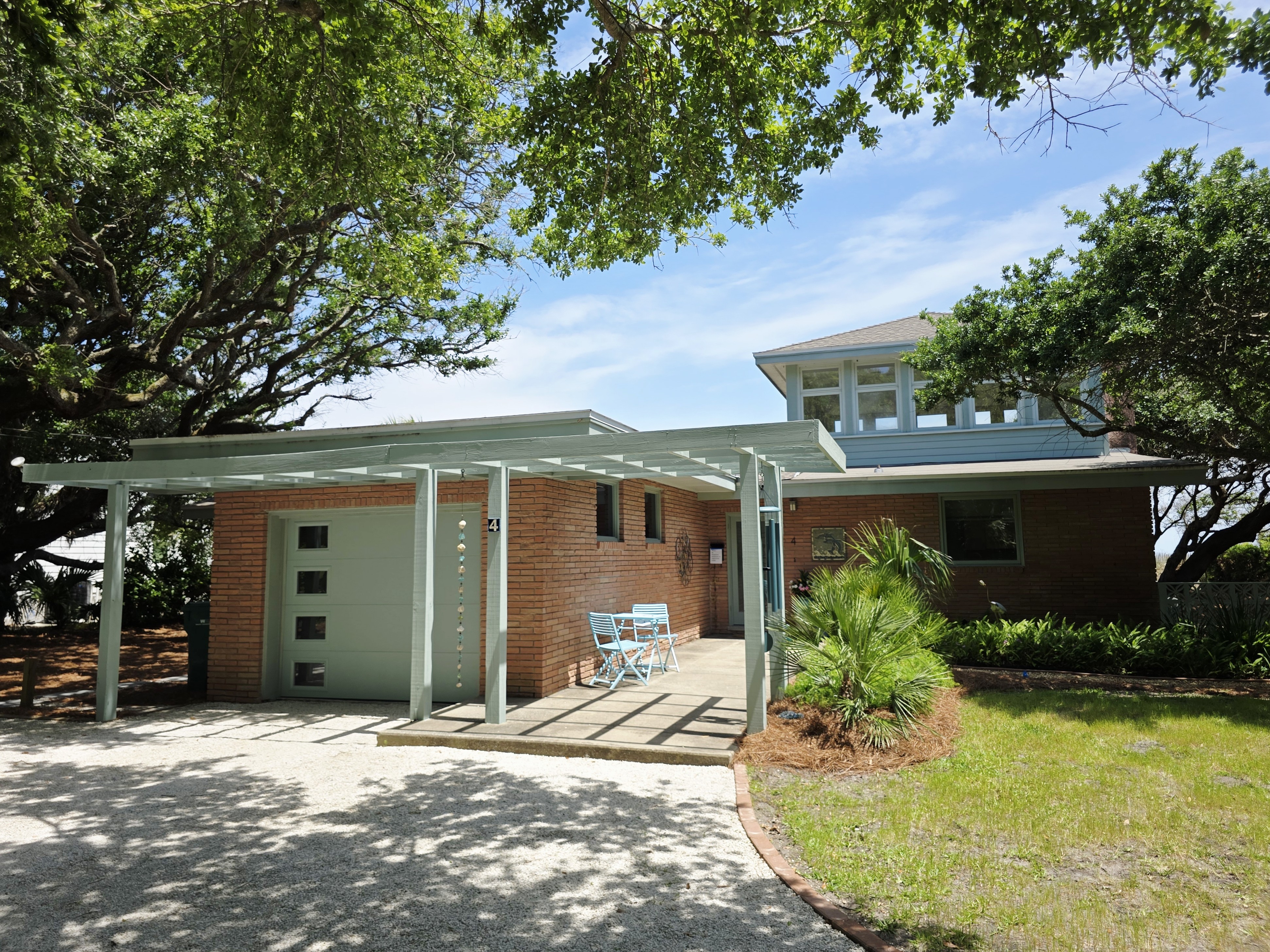
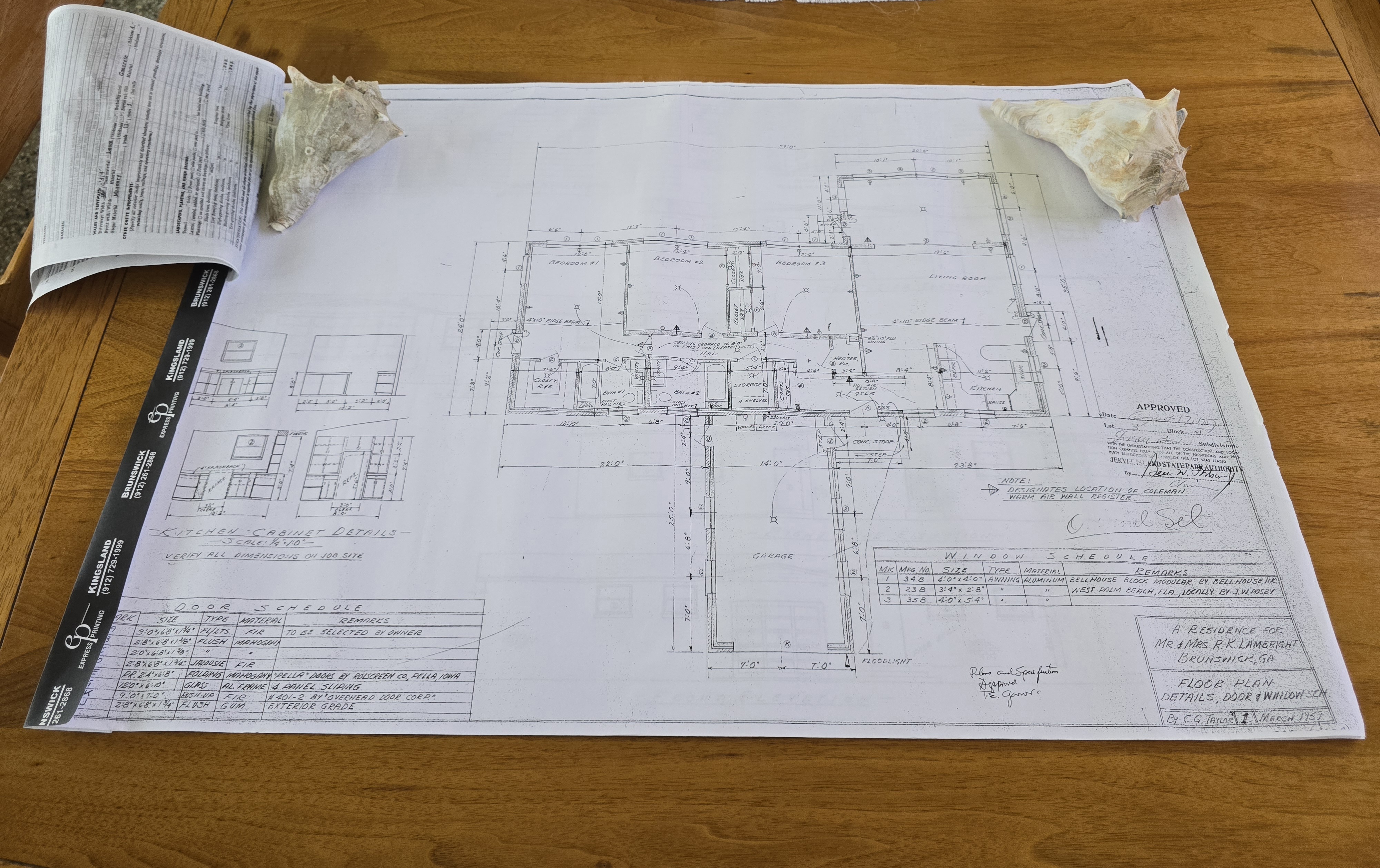
The second mid-century home on Thorne Lane was designed by C.G. Taylor and built in 1959. It had a number of unique features, including a square tub like the house before, a garage door with vertical windows, Roman bricks for the fireplace wall, and Porex ceilings. The homeowner had the floorplans laid out on the dining room table. We spent the rest of the day near Jekyll Island Club touring the cottages, then cocktails at the Club bar before dinner.



The Furness Cottage & Old Infirmary was built in 1890 in the Queen Anne style by Walter Furness. It originally faced the river, but was moved to its present location when it became an infirmary in 1930. The shingles, the unique roofline and round porch make this beauty stand out when you enter the Jekyll Island Club area. It is now a retail shop.


Constructed in 1896, Moss Cottage was built in the shingle style, 1896 in the shingle style, using locally grown cypress as the shingles. First owned by William Strothers, the retired owner of a marble sourcing firm in Philadelphia, Moss Cottage was later home to George Henry Macy who became president of Union Pacific Tea, which became A&P.

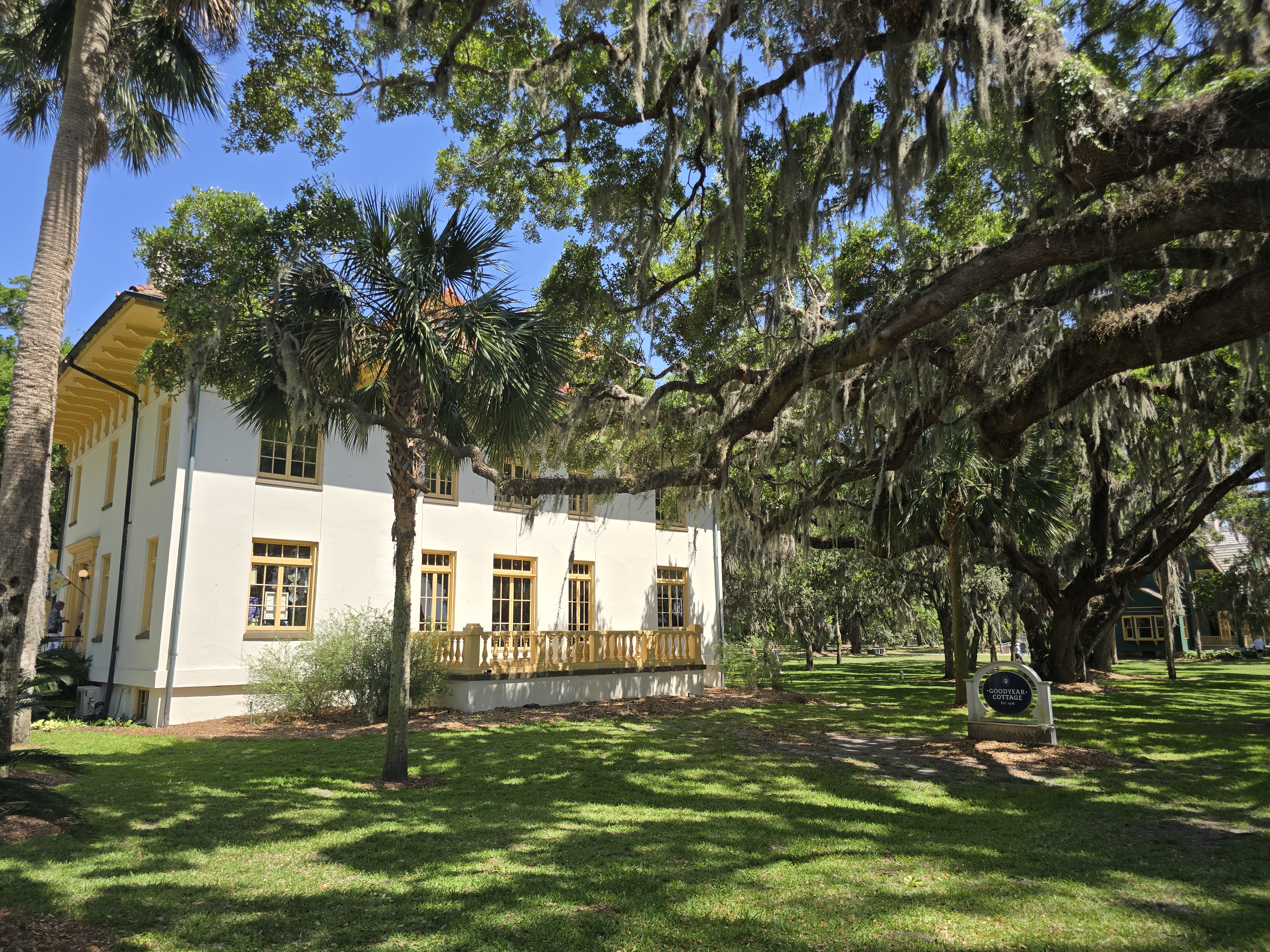
The Goodyear Cottage was designed by New York City architects John Carrere and Thomas Hastings, who also designed the New York Public Library and the Ponce de Leon Hotel in St. Augustine. The Mediterranean Revival home was built with white stucco in 1906 for lumber baron Frank Goodyear. The house currently serves as a cultural arts center for local and visiting artists.
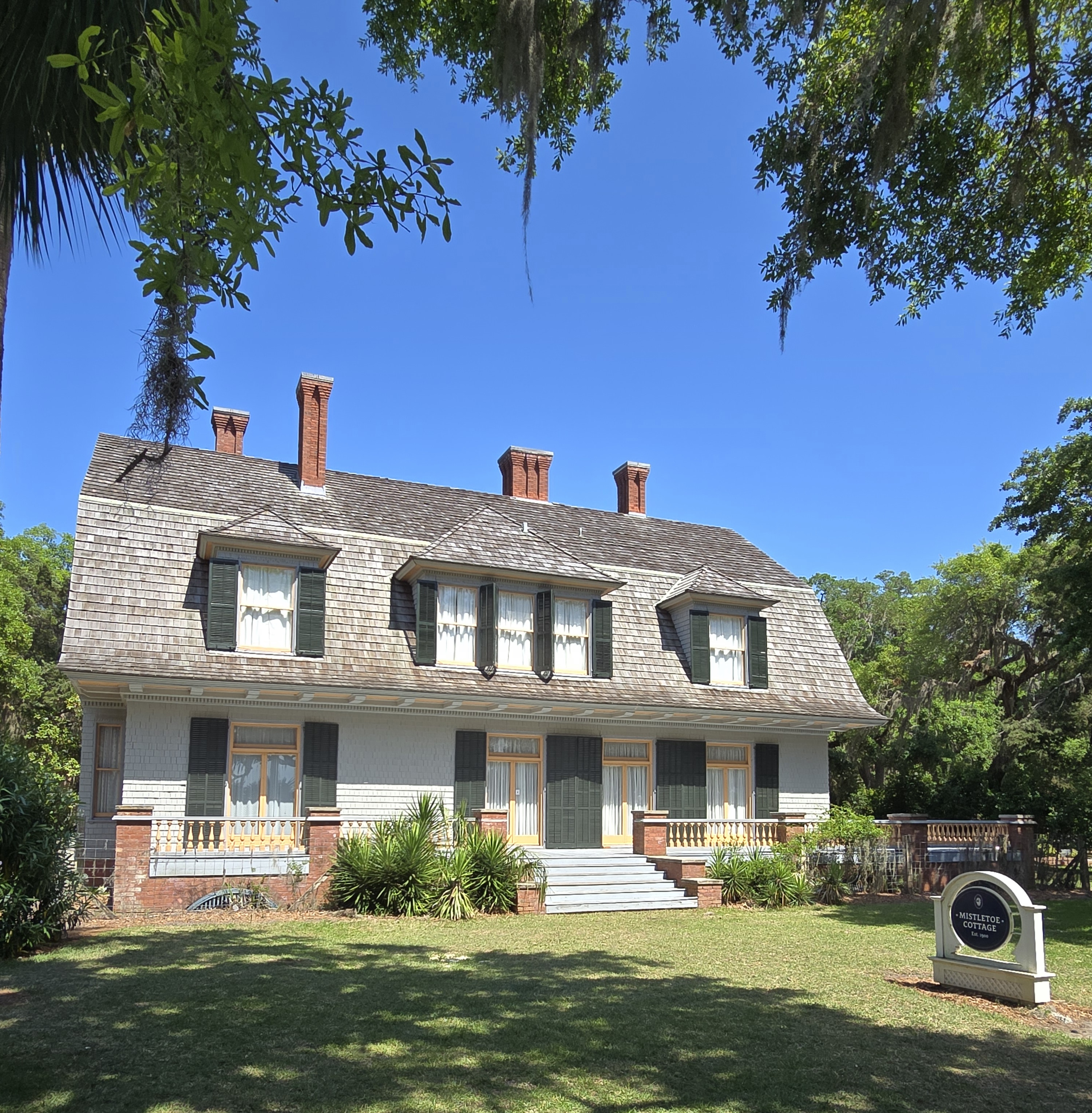
Locomotive manufacturer Henry Porter commissioned architect Charles Alling Gifford, formerly of McKim, Mead and White, to design Mistletoe Cottage, and it was built in 1901. In 1925, the home was purchased by John Claflin, who owned dry goods stores and later, the company that would become Lord & Taylor.

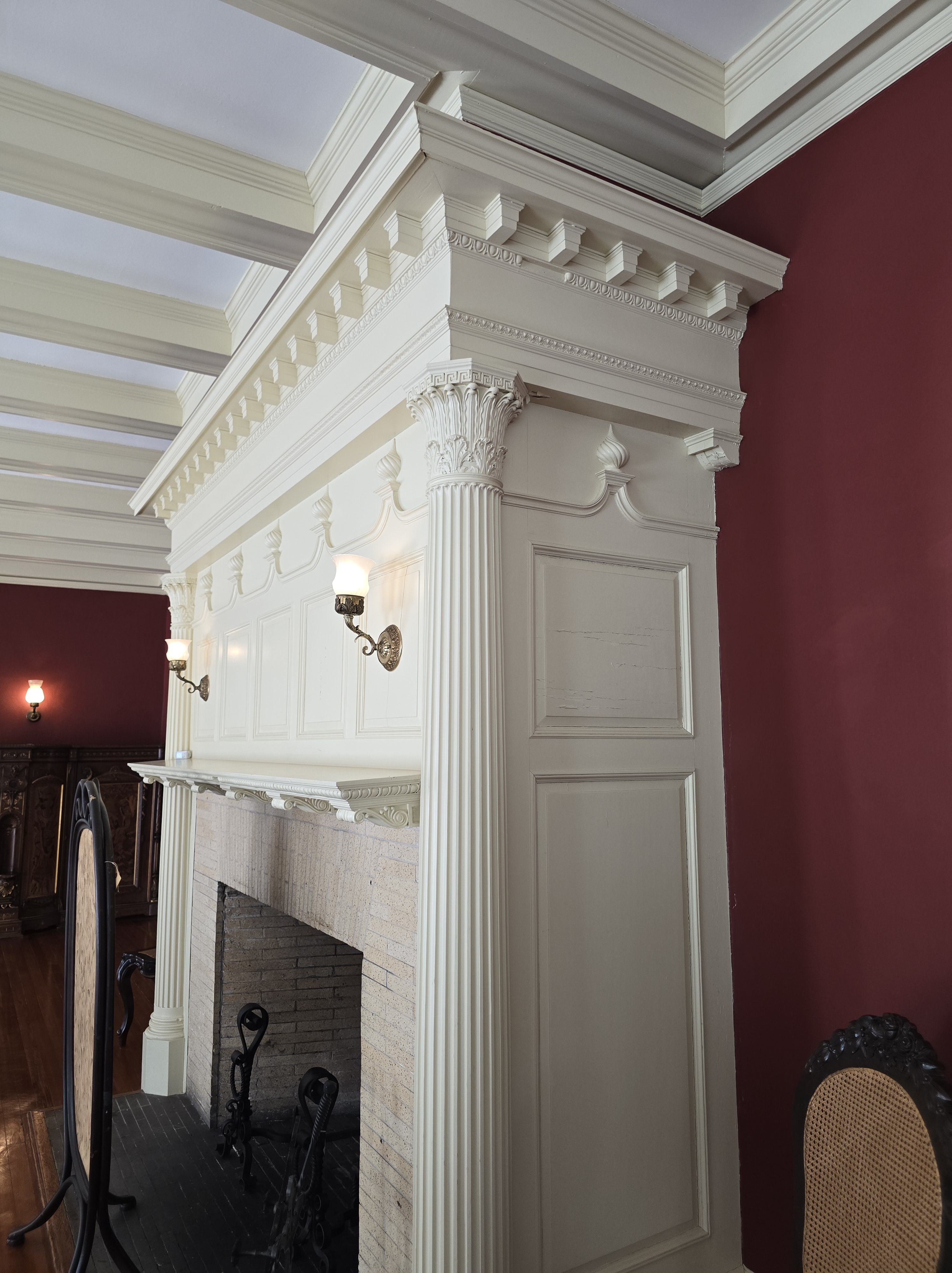

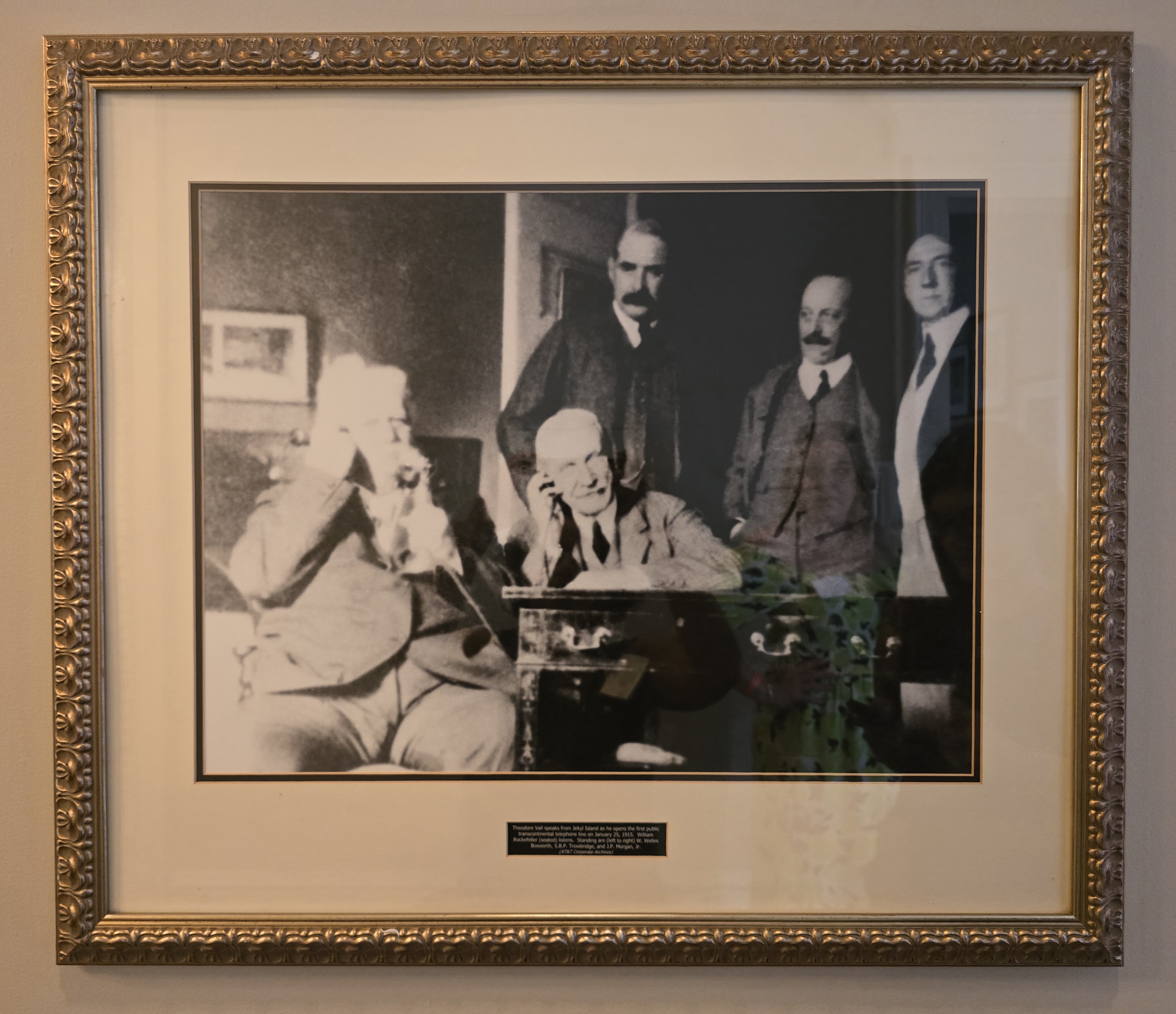
Indian Mound Cottage was built in 1892 for Gordon McKay. William Rockefeller bought the home in 1905, and completed extensive renovations between 1912 and 1917, including the addition of a sunroom in the rear of the home and a sea wall in front of the house. The Rockefeller family owned it until 1947, when they sold it to the Jekyll Island Authority.


Completed in 1890, Hollybourne was built for Charles Stewart Maurice, who made his fortune building roads and bridges around the country, so it’s no wonder that Hollybourne has a steel support system and trusses. The Jacobean design features Flemish gables and paired chimneys, and is the only one of the Jekyll cottages built of tabby.


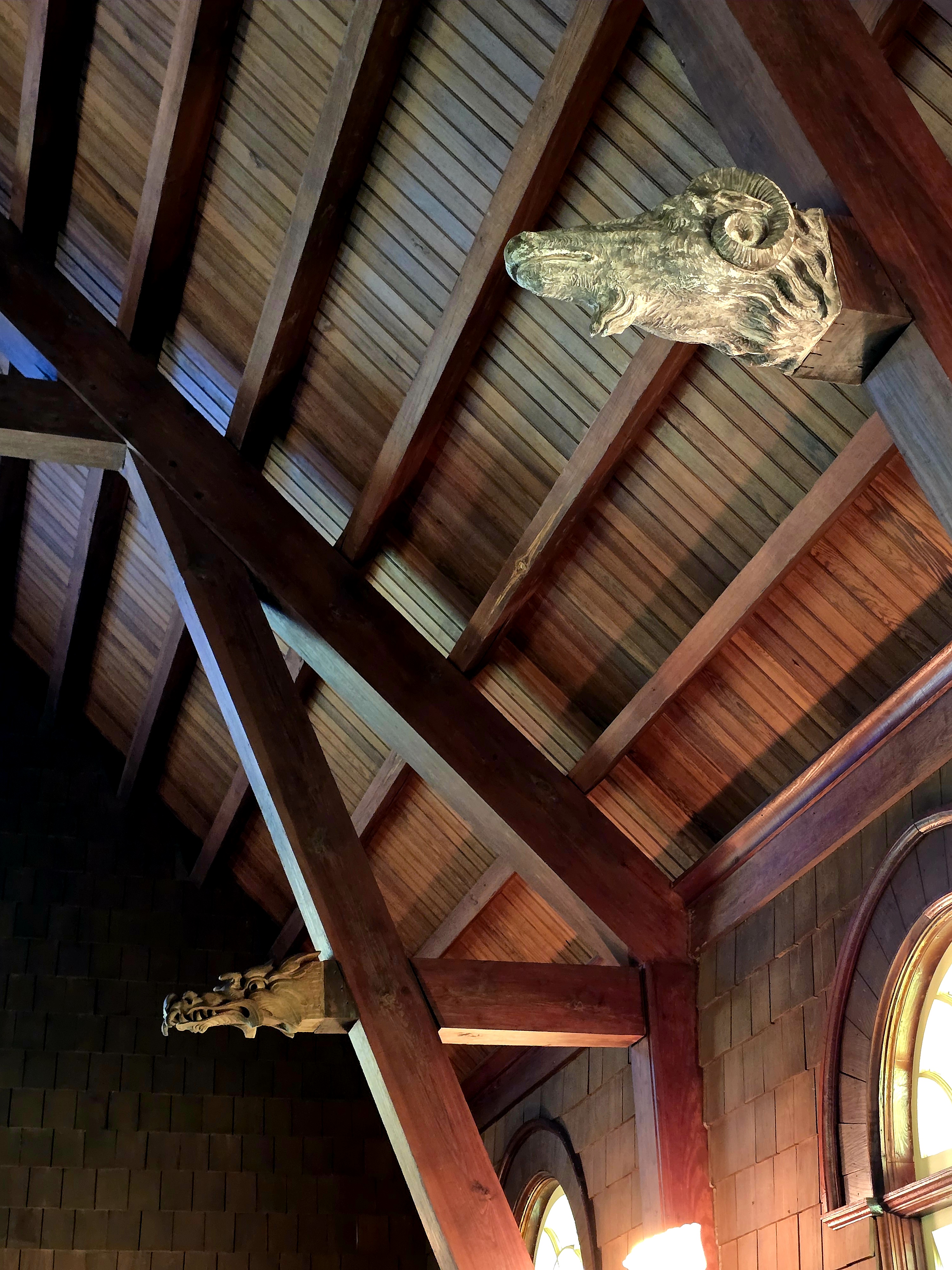
Faith Chapel was our last stop before dinner. It was built in 1904 for the members of the Jekyll Island Club. The brick foundation and wood “A” frame mimic the simple styles of the other cottages on the island, but there are subtle touches that hint at the wealth of the patrons, including shingles on the interior and exterior walls, and gargoyles that are replicas of the ones at Notre Dame Cathedral.



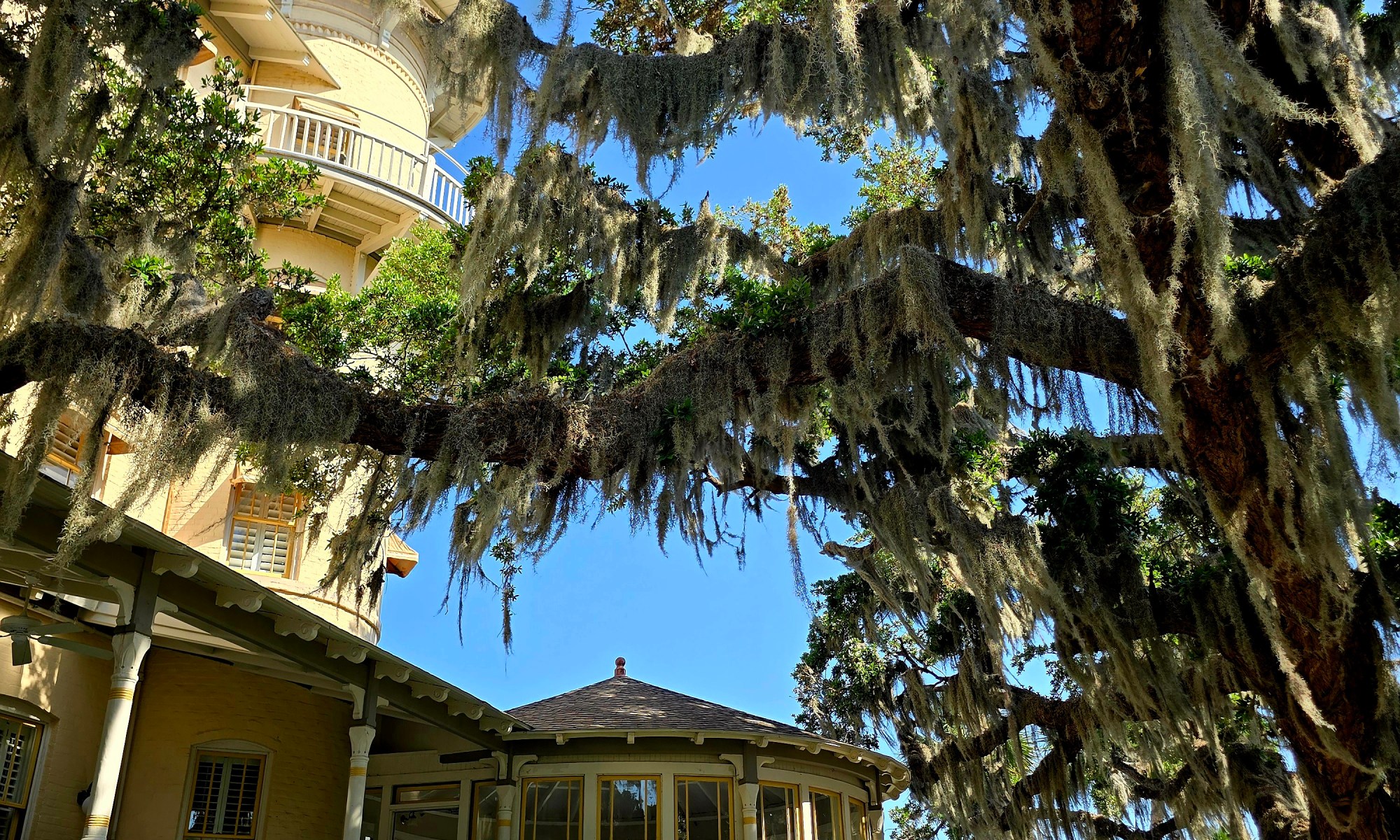
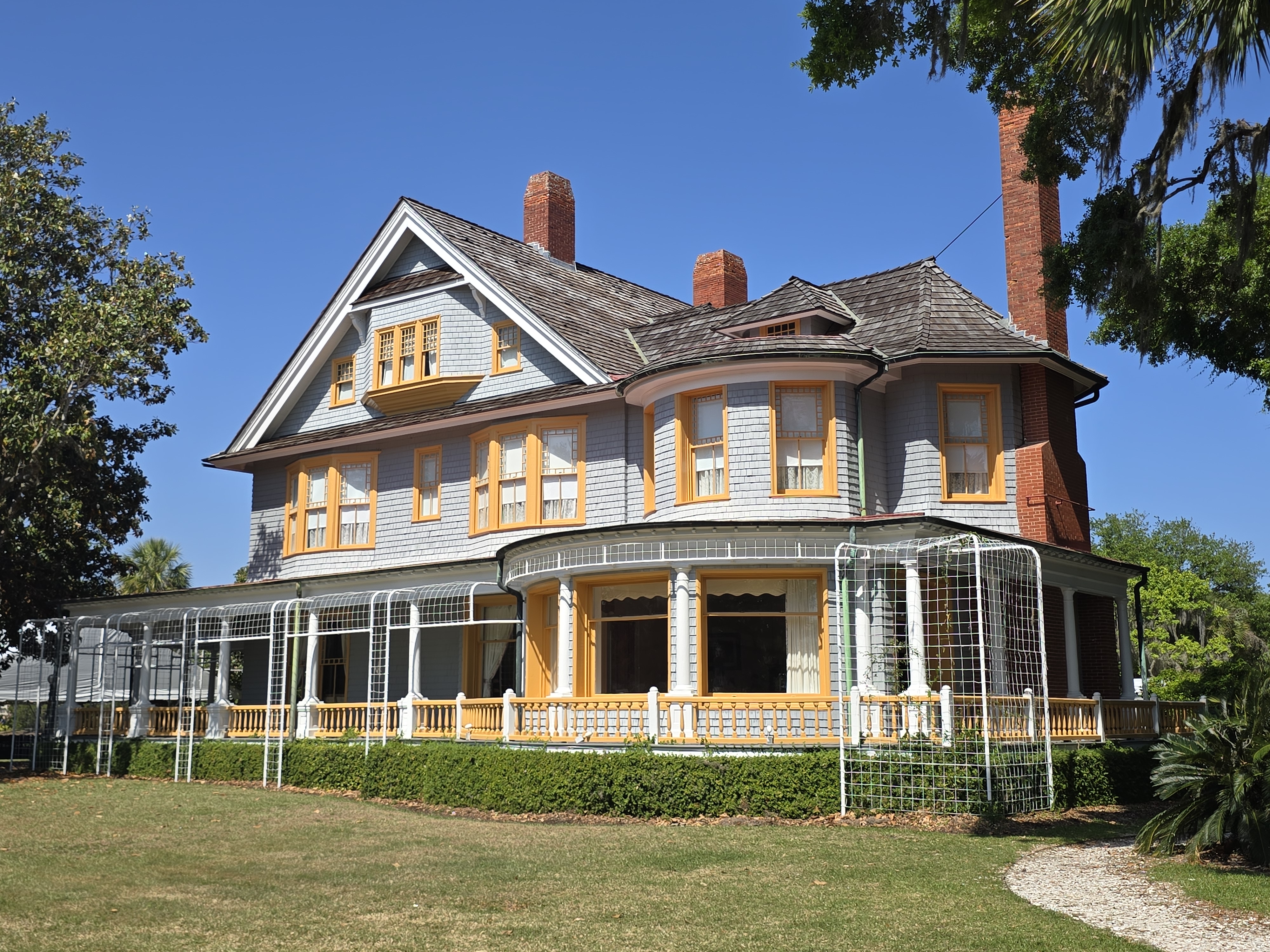
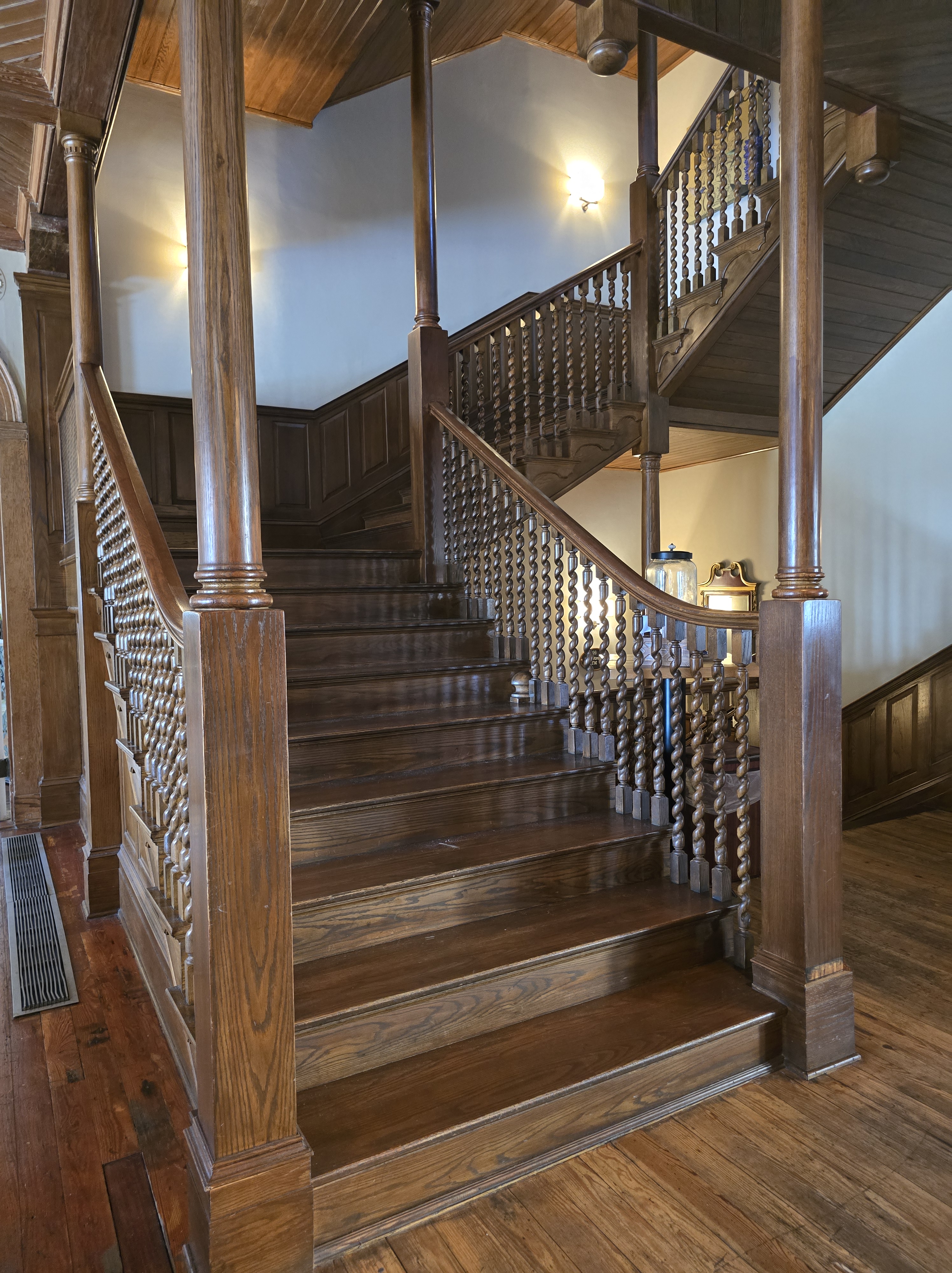
Jekyll Island Club was founded in 1886 for the Gilded Age rich who sought a more laid-back atmosphere on the Georgia coast than the over-the-top Newport lifestyle. The original Jekyll Island Clubhouse with the unique turret was completed in 1888. Wealthy families like the Morgans, Rockefellers and Vanderbilts visited the club throughout the first half of the 20th century. World War II led to its demise as the seaside location proved to be too much of a security risk. The state assumed control in 1947, but it was unable to succeed in running the resort, and it closed in 1971. The club was restored and reopened as a resort in 1985, as it operates to this day.


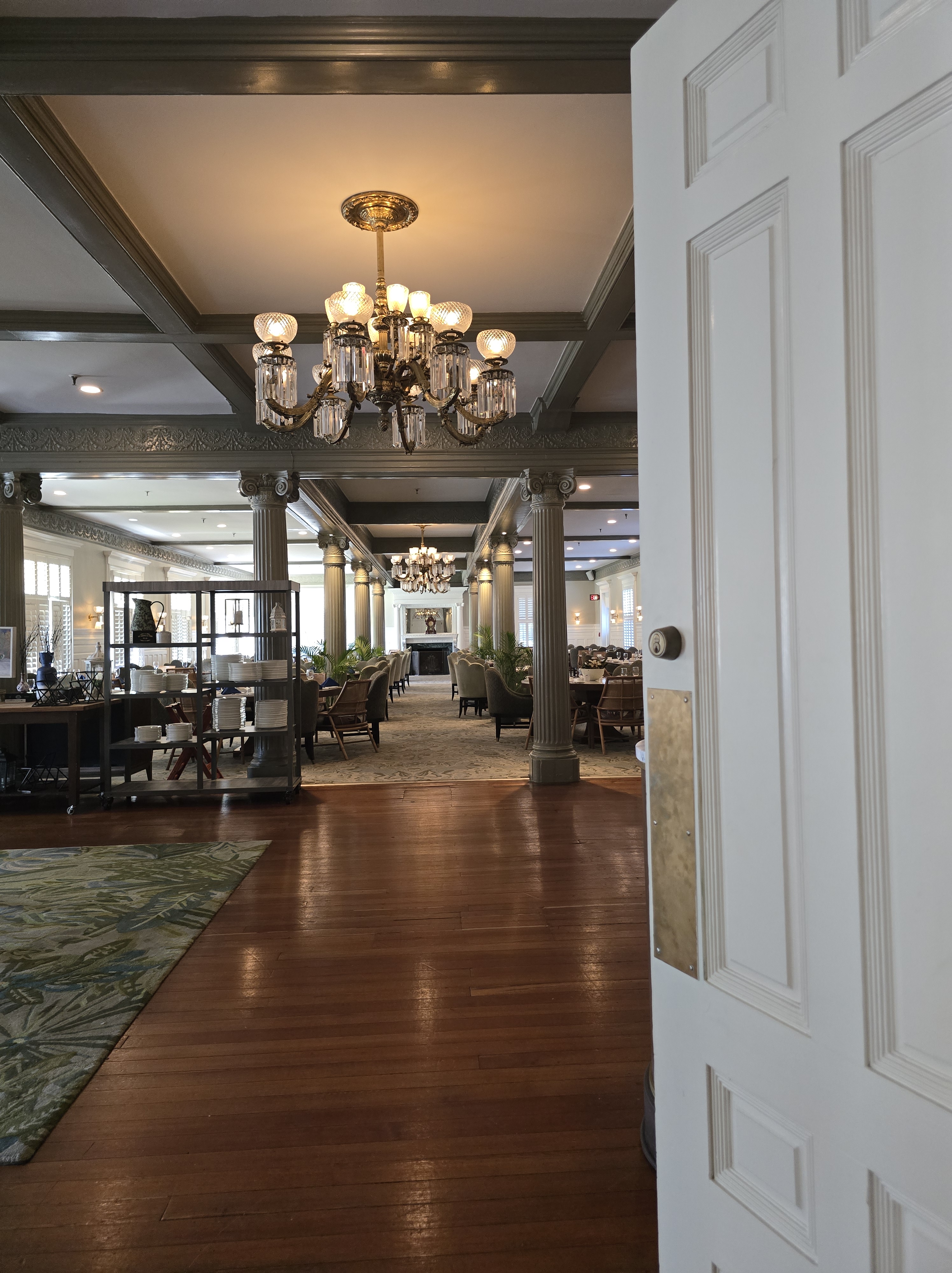
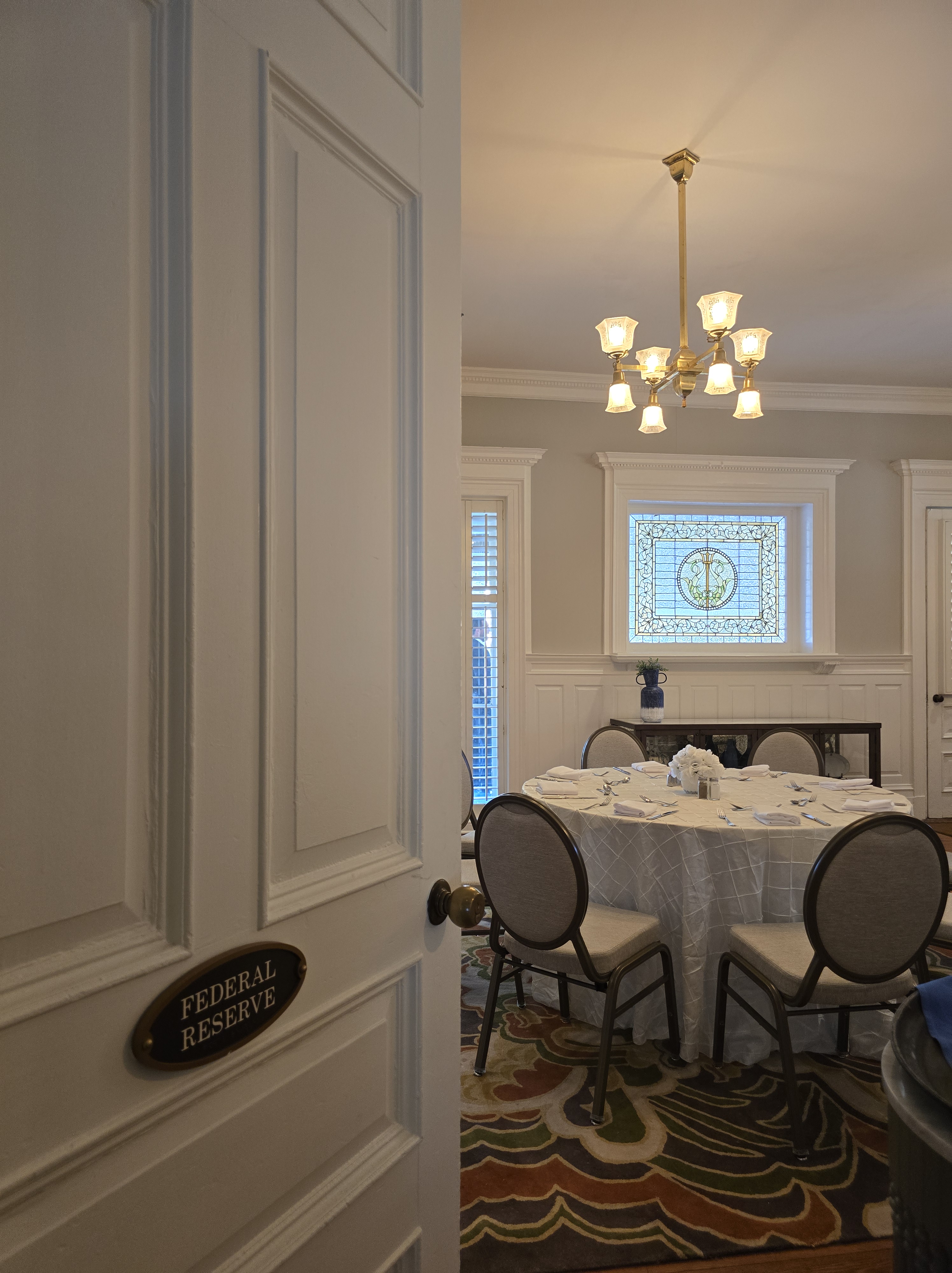
Some interesting trivia: The Federal Reserve System was developed during a secret meeting on Jekyll Island during Thanksgiving 1910. The Federal Reserve website has more information about the meeting on their website, but I first heard about it during a Planet Money episode I was listening to a couple of weeks before my visit to Jekyll.
The original six cottages, Indian Mound Cottage, Hollybourne Cottage, Furness Cottage, Fairbanks Cottage, Brown Cottage and Solterra, were Queen Anne or shingle style and styled to look like beach bungalows rather than extravagant mansions that they actually were in size. Three of the six original cottages are still standing. The other three were either destroyed by fire or left to decay and were eventually demolished by the time the state of Georgia assumed control under Jekyll Island Authority in 1947.
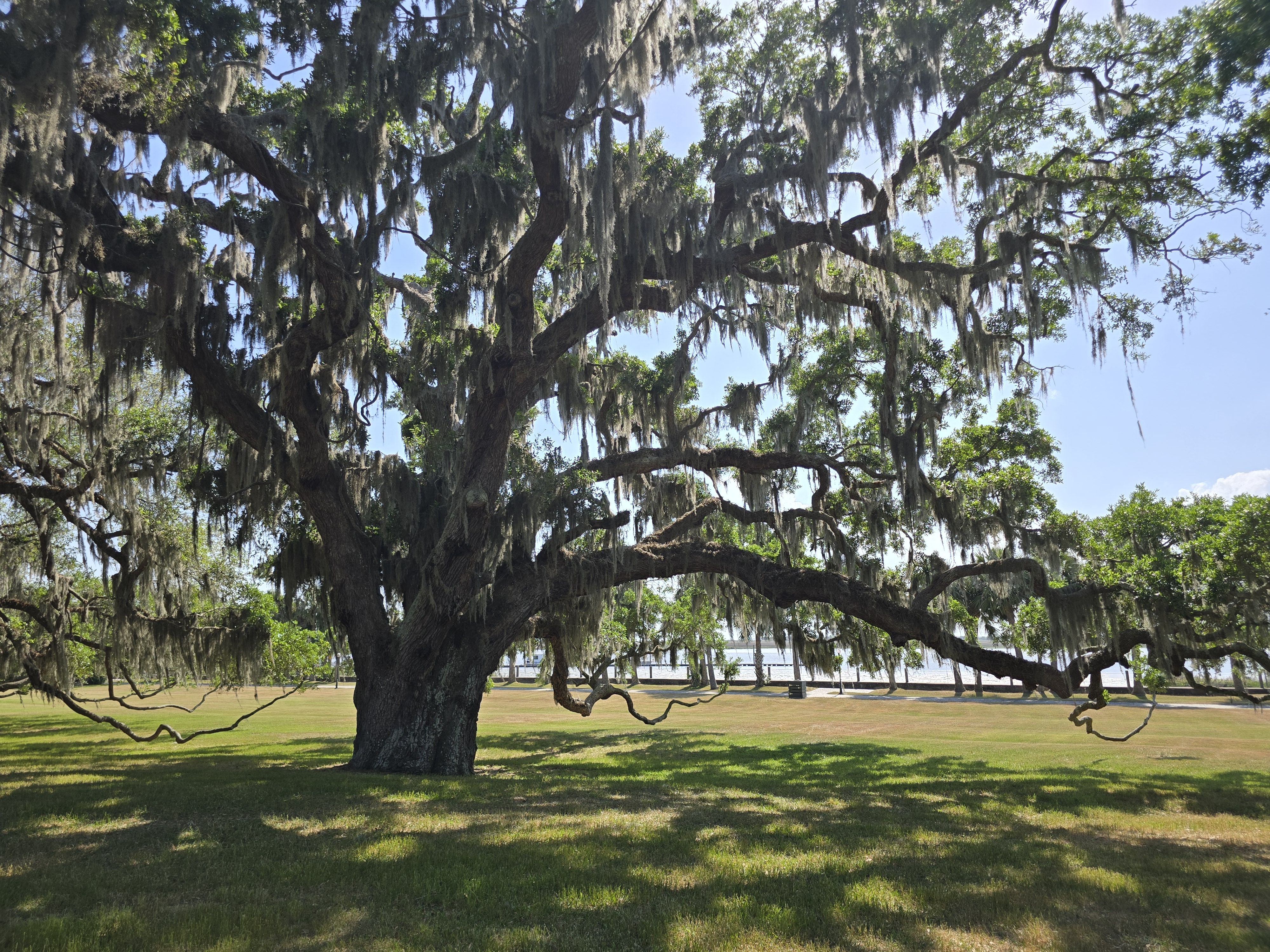

Before dinner, we enjoyed cocktails at the bar at the Jekyll Island Club, and even saw a champagne bottle being sabered. The round bar had enough seats for six to eight, and the bartender was able to have conversations with all of those gathered around him. After dinner, we were treated to a birds-eye view of Jekyll from the turret at the top of the Club. One of our friends was staying in the presidential suite, and the turret is part of the suite! We watched the sunset from the turret’s balcony.


The last day of the Ramble was in Darien, the second city founded in Georgia, after Savannah. Originally called New Inverness, Darien sits on the mouth of the Altamaha River about 50 miles south of Savannah. In 1736, Scottish Highlanders were recruited by James Oglethorpe, who had founded Savannah just three years earlier, to settle New Inverness and protect Savannah from the Spanish to the south, the French to the west, and the indigenous people all around. The group, which included 177 men, women and children, landed on January 10, 1736. Until the Civil War, Darien flourished as a port transporting rice, cotton and lumber.
The burning of Darien took place on June 11, 1863, more than a year before Sherman’s March to the Sea at the end of 1864. If you’ve seen the Glory, you can skip to the next paragraph. The burning of Darien involved the 54th Massachusetts Volunteers and the 2nd South Carolina Volunteers, a group of mostly formerly enslaved, was part of the U.S. Army despite the South Carolina name. The Massachusetts group was commanded by Colonel Robert Gould Shaw (Matthew Broderick in the movie). Darien’s residents had already abandoned the town, so the volunteer groups took advantage of the emptied town and torched the vacant buildings.
We had breakfast in the Adam Strain building, a tabby structure built between 1813 to 1815 which survived the burning of Darien in 1863. I first heard about the Adam Strain building in 2018 when a fellow Atlanta resident who grew up in Darien shared the history of the building with me, and that locals in Darien were trying to save the building. It now houses Tabby House Brewery. I was curious who Adam Strain was, especially once I saw his grave in St. Andrews Cemetery, and saw that he was born in 1840, a few decades after the building was built. Strain was a businessman and Civil War veteran of the 5th Georgia Cavalry. Mystery solved!


After breakfast, we walked to visit the first few sites. We started at the Old Jail Art Center Museum and Kit Jones Park where the Kit Jones boat sits. The Kit Jones was crafted in 1938 by Geechee on Sapelo for Richard Reynolds who owned Sapelo Island at the time. She was the main vessel used to get materials and people to the island. After its life as a ferry and tugboat, the Kit Jones was used by UGA and Mississippi State for marine research. Darien citizens saved the boat from being scrapped in 2017 and restored it to live in front of the old jail. The old jail was built in 1888 to house McIntosh County inmates, and also as a home for the sheriff. In the late 1970s, the original brick structure was covered by tabby. It is now a history museum, art gallery and pottery center.


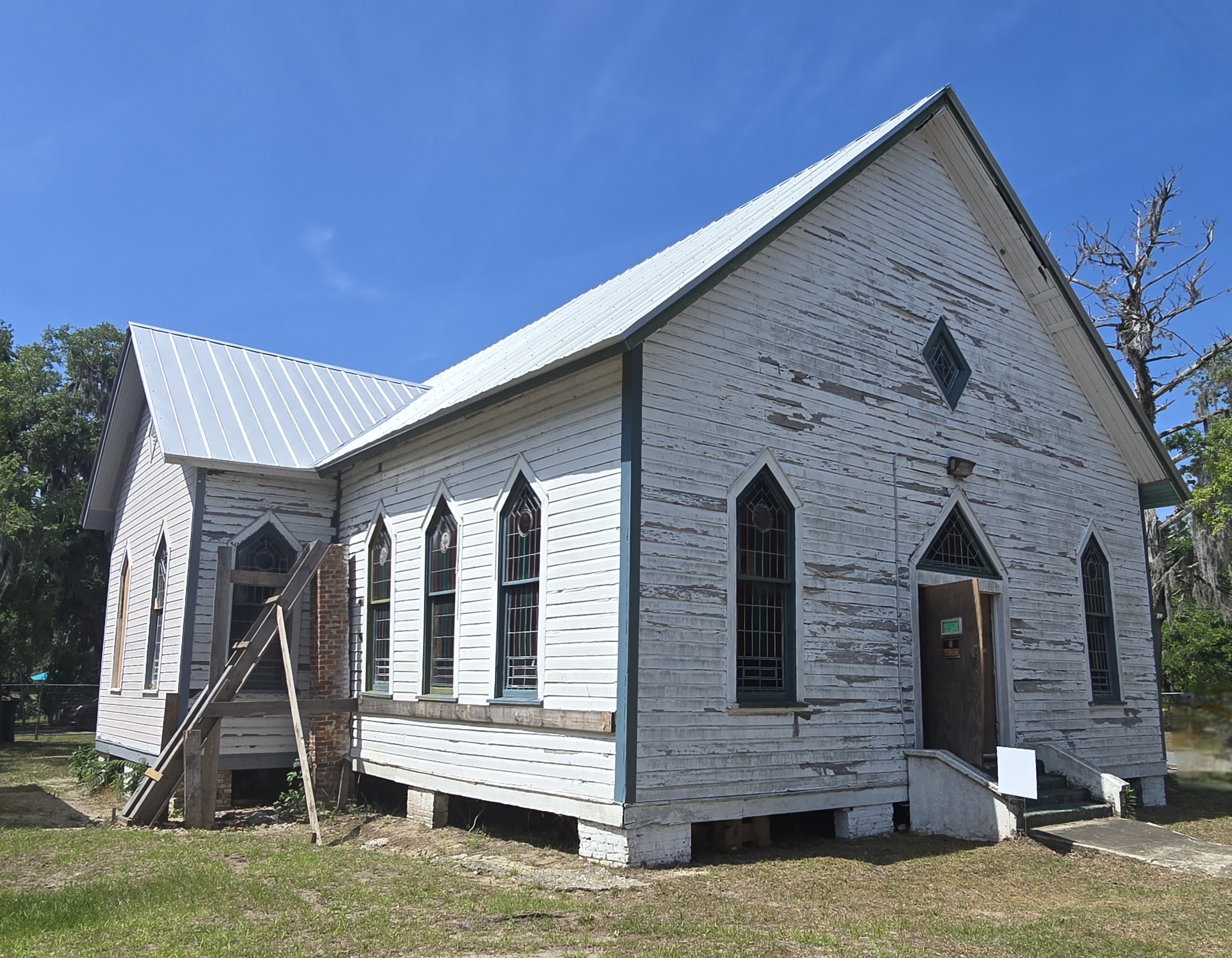
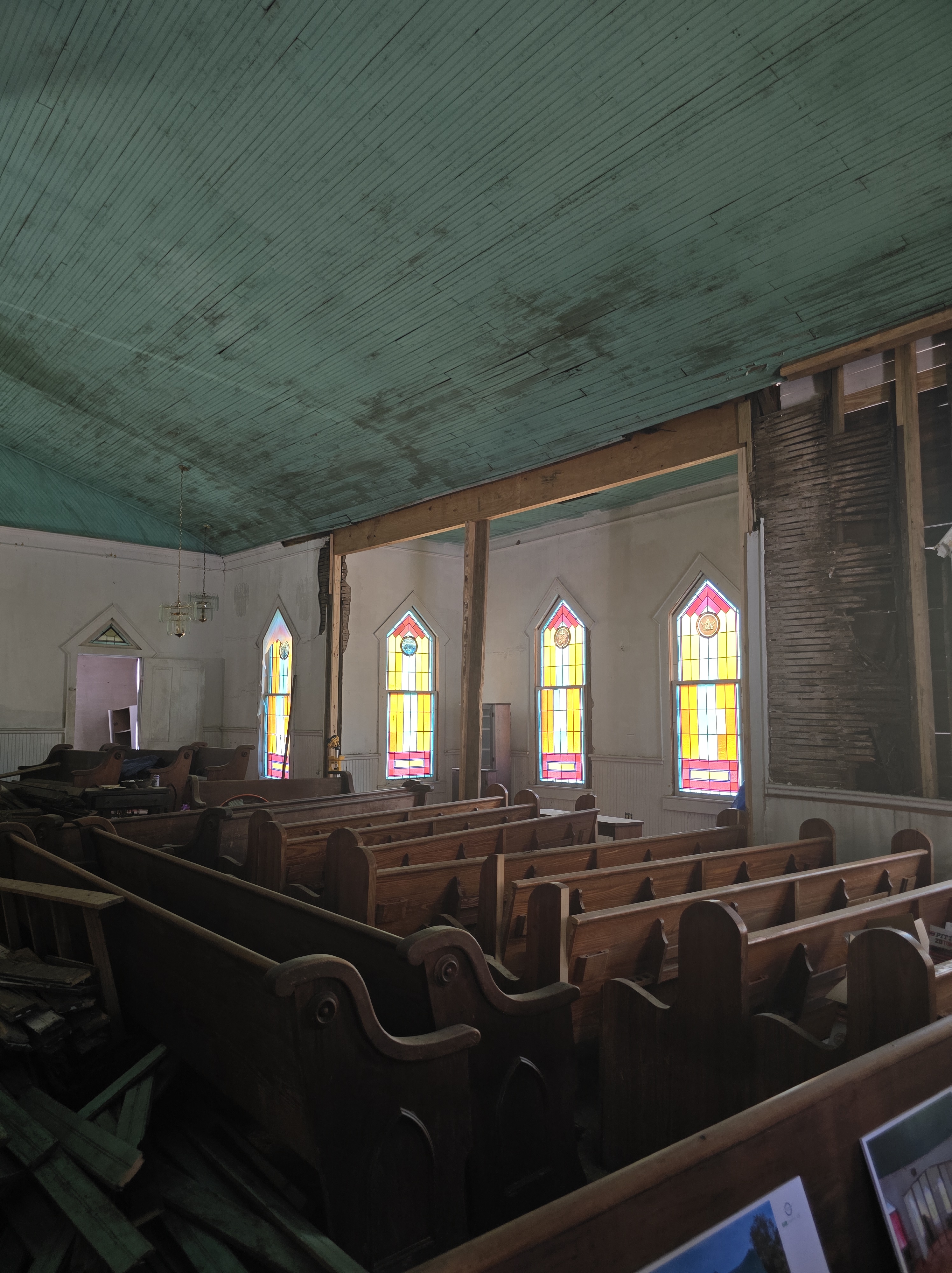
We walked down the street to Grace Baptist Church, which was built between 1910 to 1915 as a the Black community of Darien, many of which were first-time homeowners during Reconstruction. It served as a worship center until the 1990s. It suffered critical damage when a tree fell on the chimney and corner of the church in April 2022. Grace Baptist Church is currently undergoing restoration.


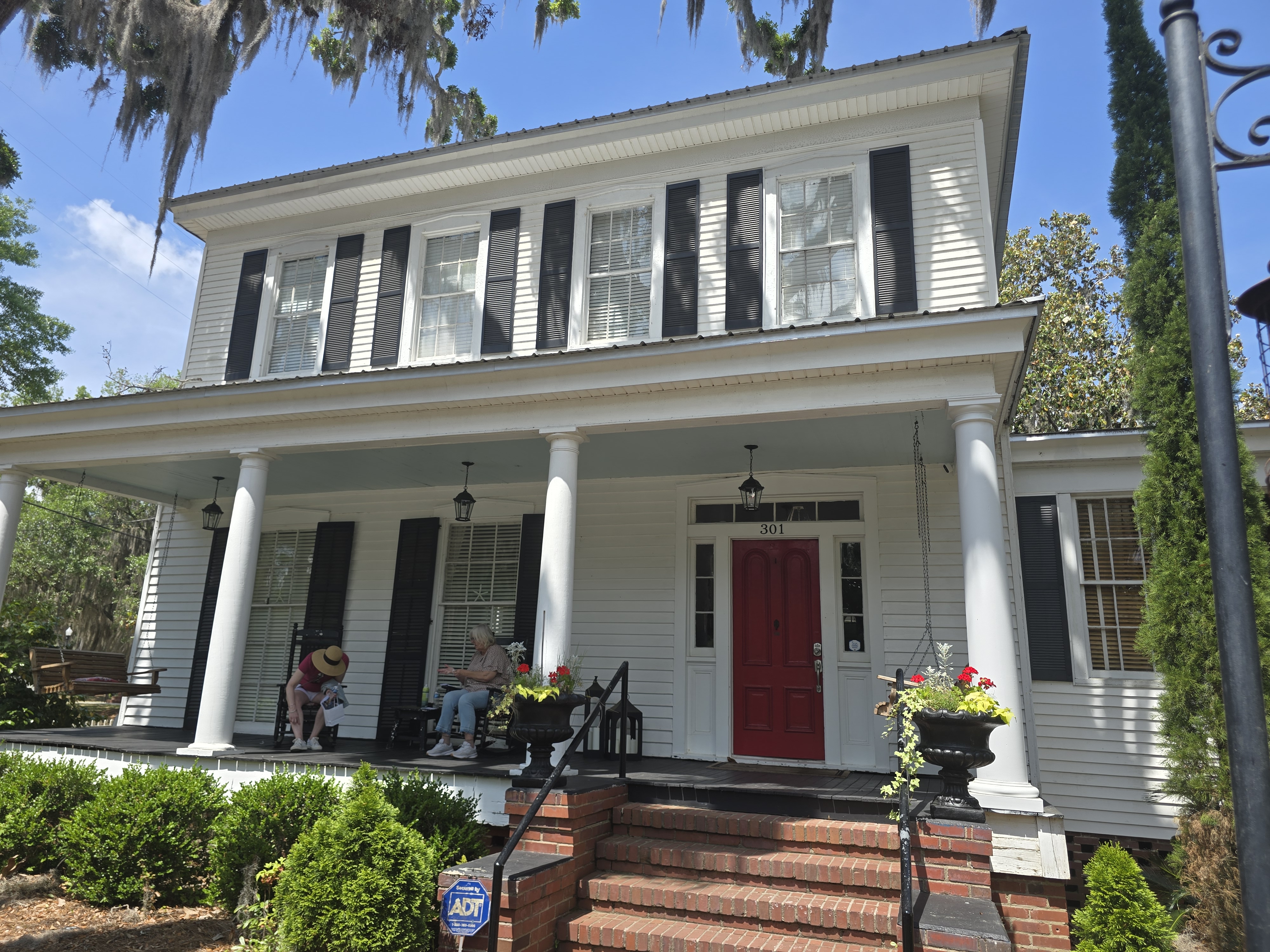
Next up were two former homes along Vernon Square that are now businesses. Sugar Marsh Cottage is home to a chocolatier now, but started life in the 1930s for local pharmacist Charles Stebbins. Across the street is Open Gates Bed & Breakfast, a classic Georgian-Italianate home built in 1876 that still has its original hardwood floors, high ceilings, and a cypress-paneled library.


Open Gates Bed & Breakfast

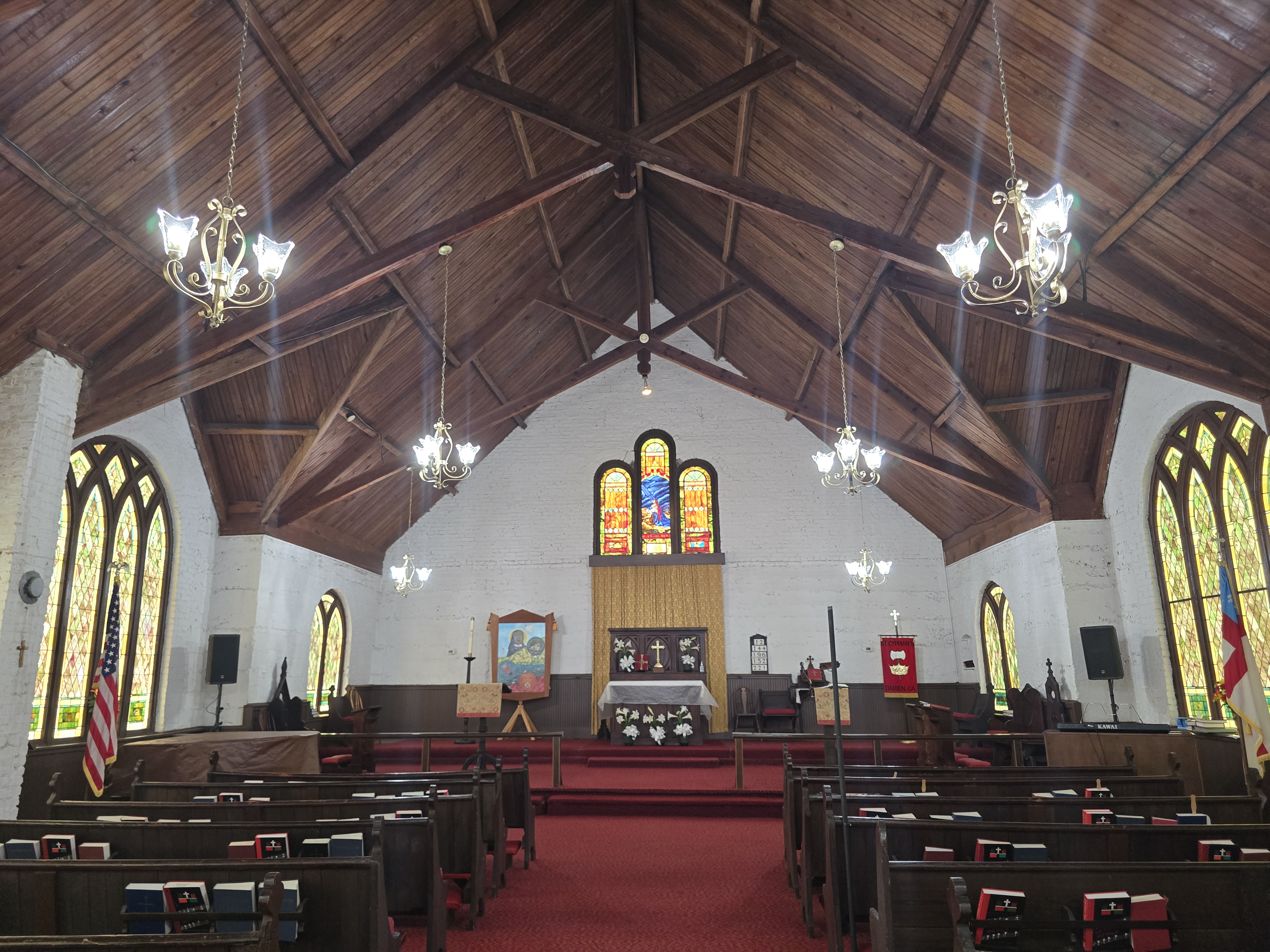
Before we drove out to the outlying historic sites, we stopped at St. Cyprian’s Episcopal Church. The tabby church was built in 1875 by formerly enslaved persons, and is still an active congregation.
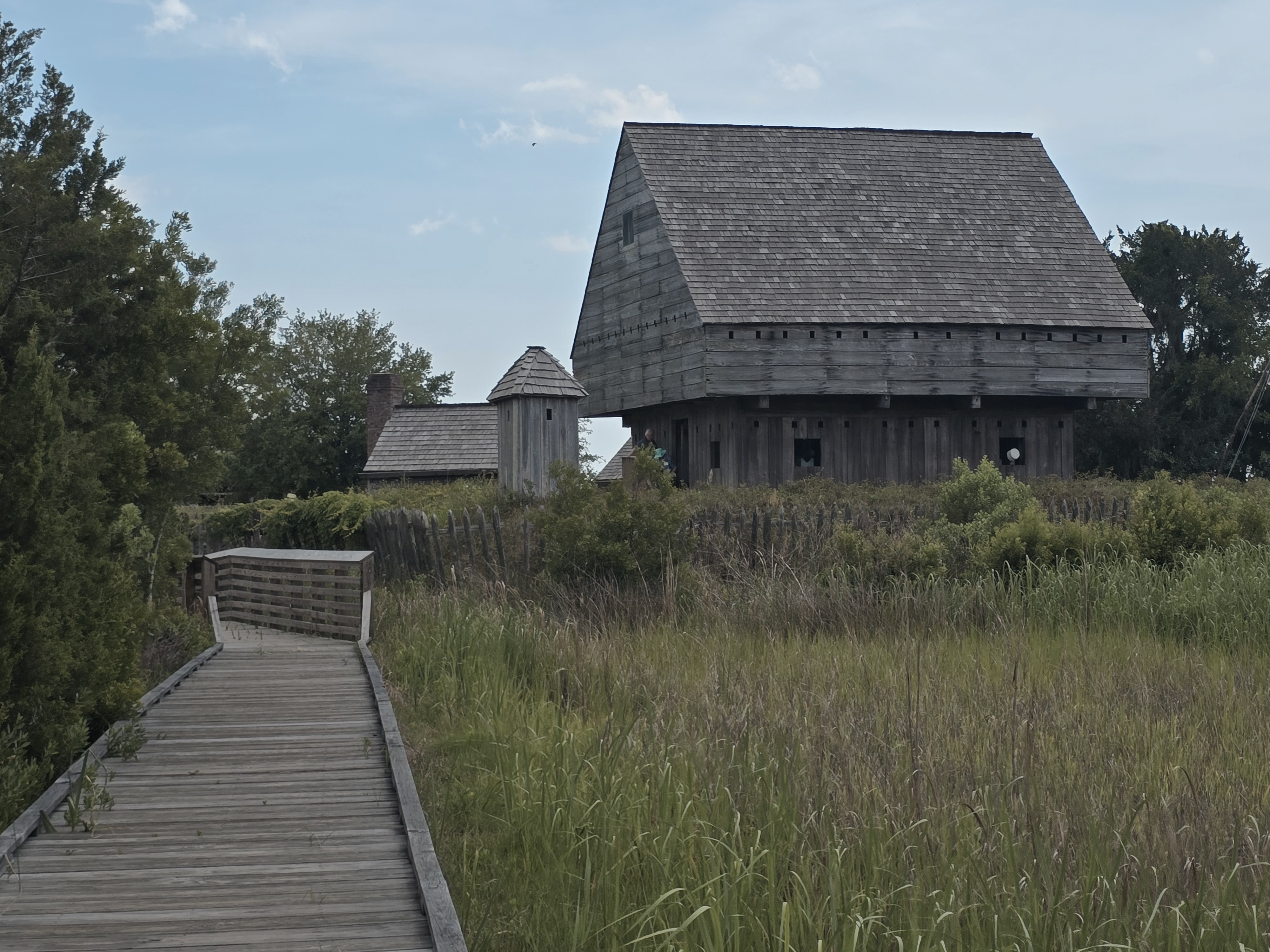
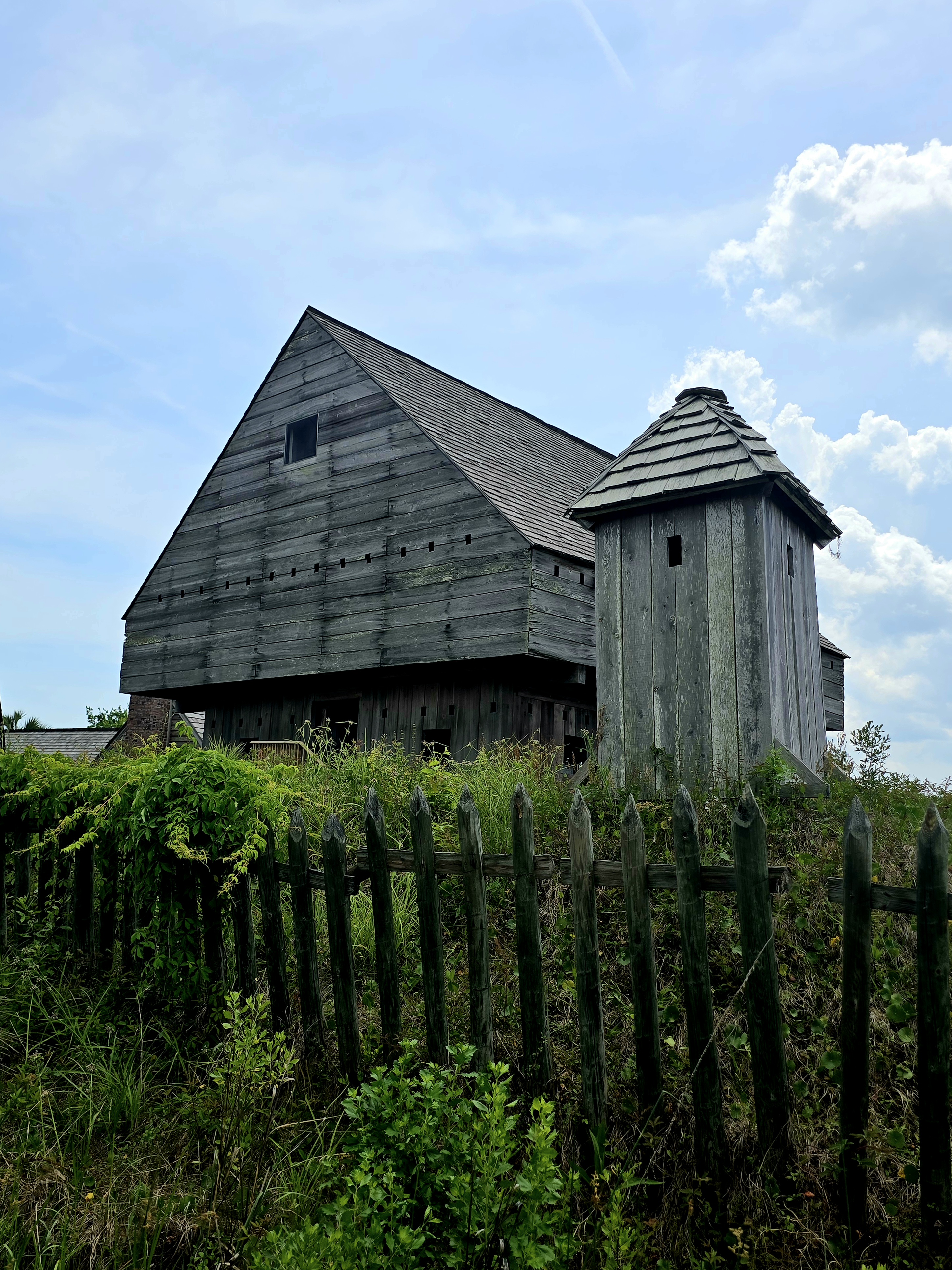
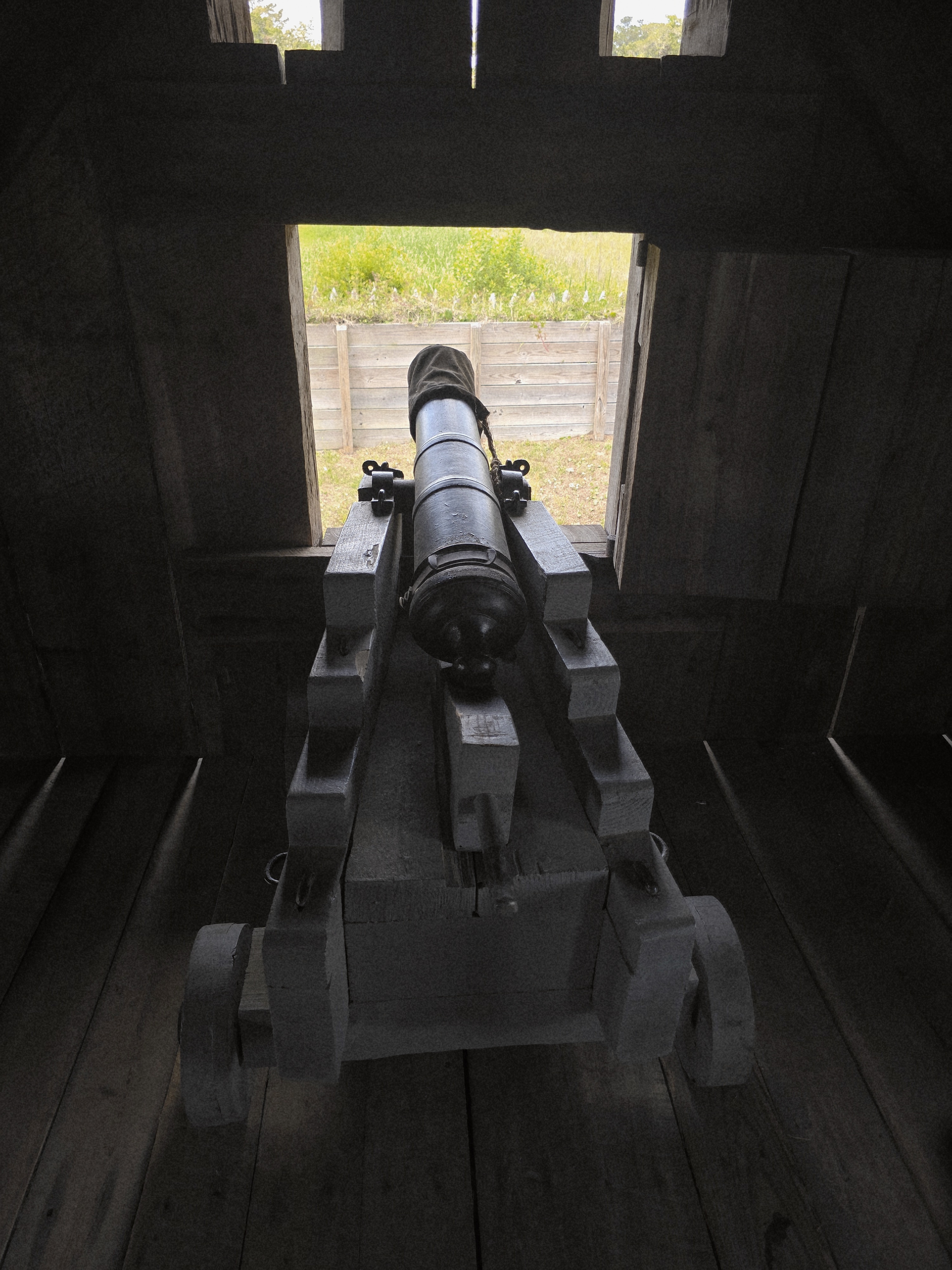
Next was the Fort King George Historic Site, completed in 1721. The fort was the first building in the area, before Darien was founded in 1736. This was the southernmost point of the British settlements in North America. The Spanish attacked the fort in 1727, after which the fort was abandoned. The now reconstructed fort operated as a historic site by the state also includes a palisades, blockhouse, barracks, and the remains of sawmills and tabby ruins. The fort museum also had a well-produced short documentary about how the fort came to be, and what led to its demise.

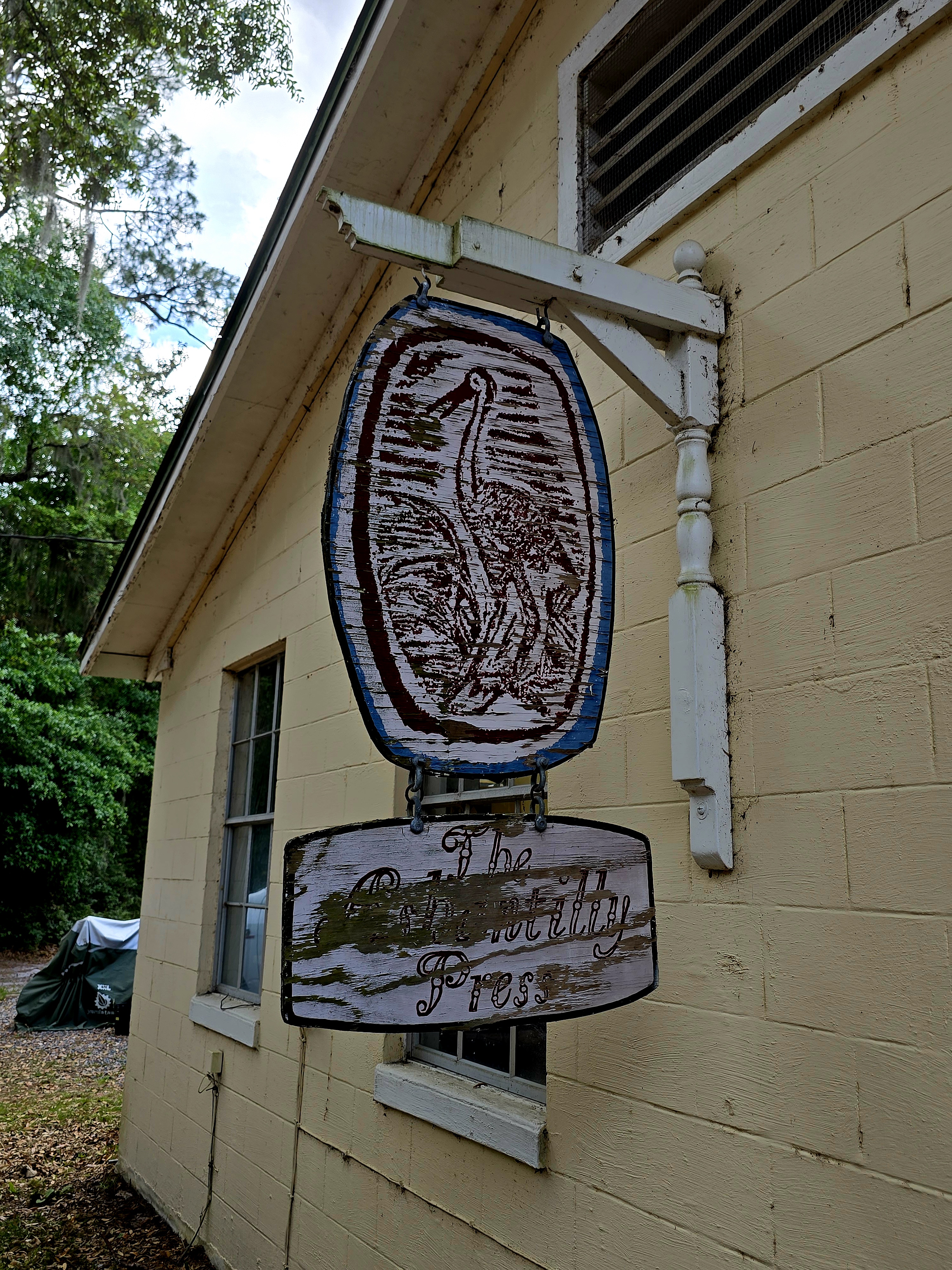
The next stop may have been my favorite of the day: “Old Tabby” or Ashantilly Center and Press. Old Tabby was built in 1820 for Thomas Spalding, a state legislator. The tabby house was covered with stucco, and has a symmetrical floorplan. In 1918, the home was acquired by the Haynes family, who has a connection to Atlanta and L.P. Grant of Grant Park fame. L.P. Grant was Laura Lee Grant’s grandfather. Laura Lee Grant married William Greener Haynes, Sr,; they are the ones who bought the home. The armoire shown below was originally in the L.P. Grant home in Atlanta in what is now Grant Park.

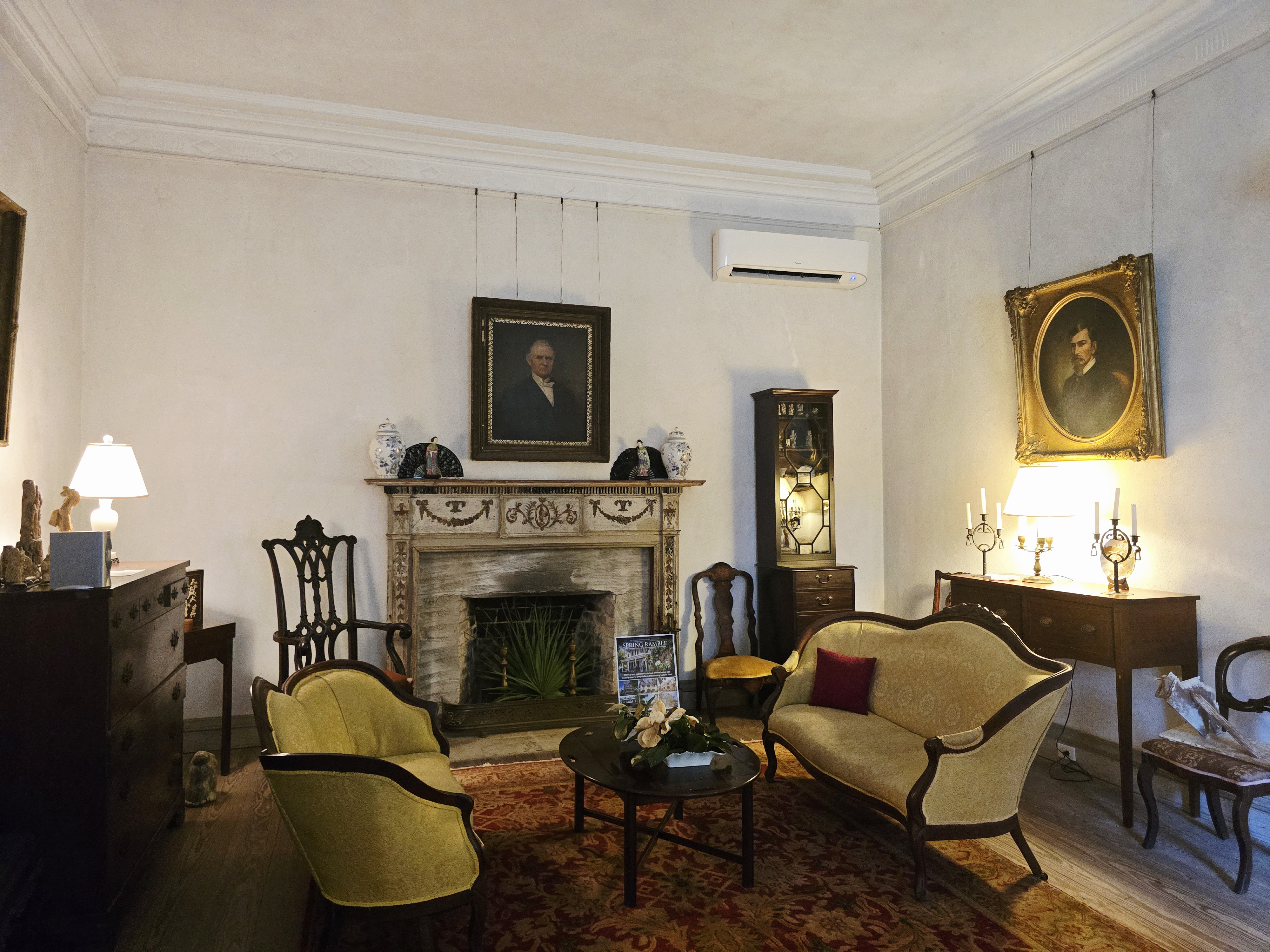
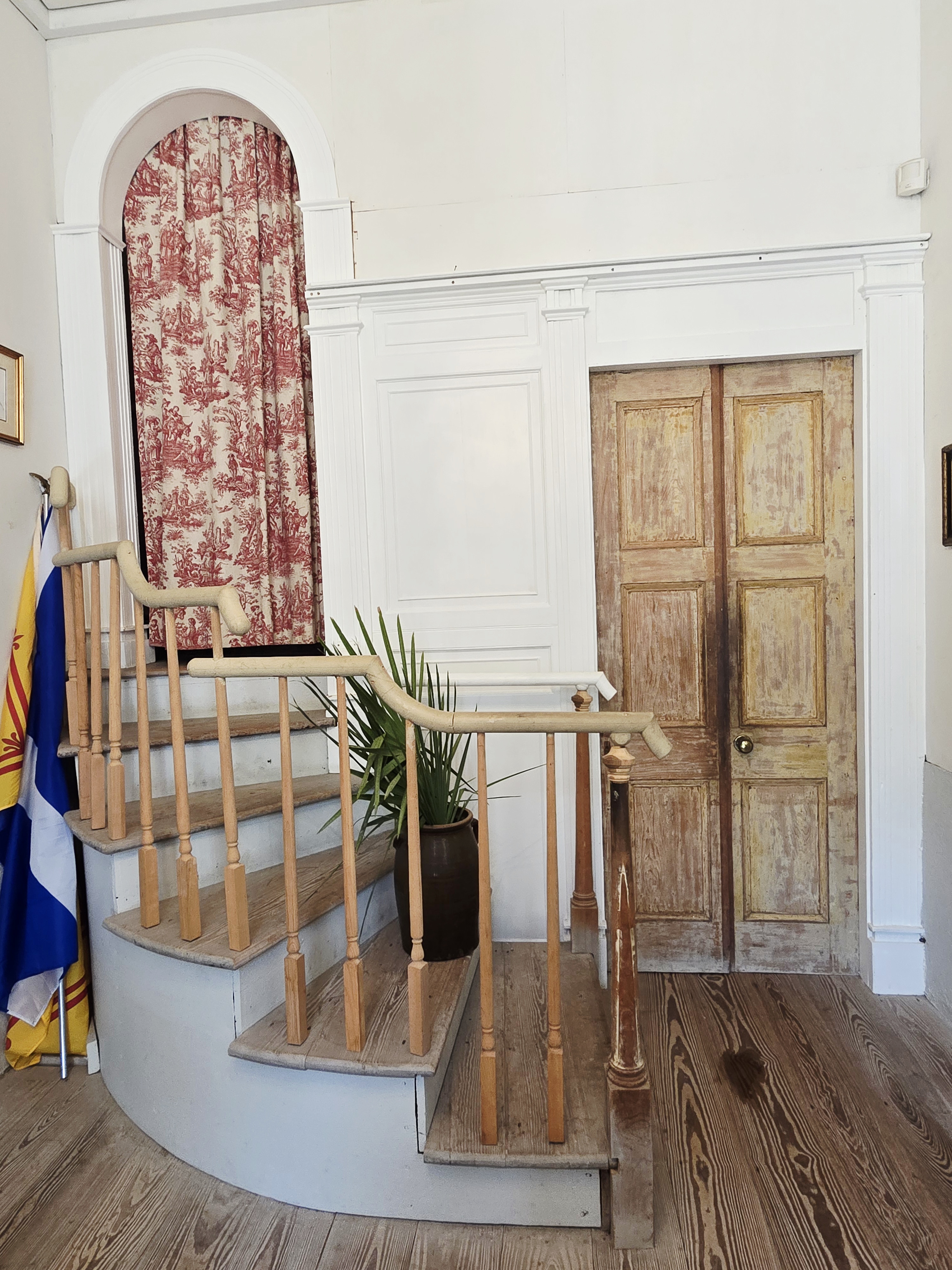

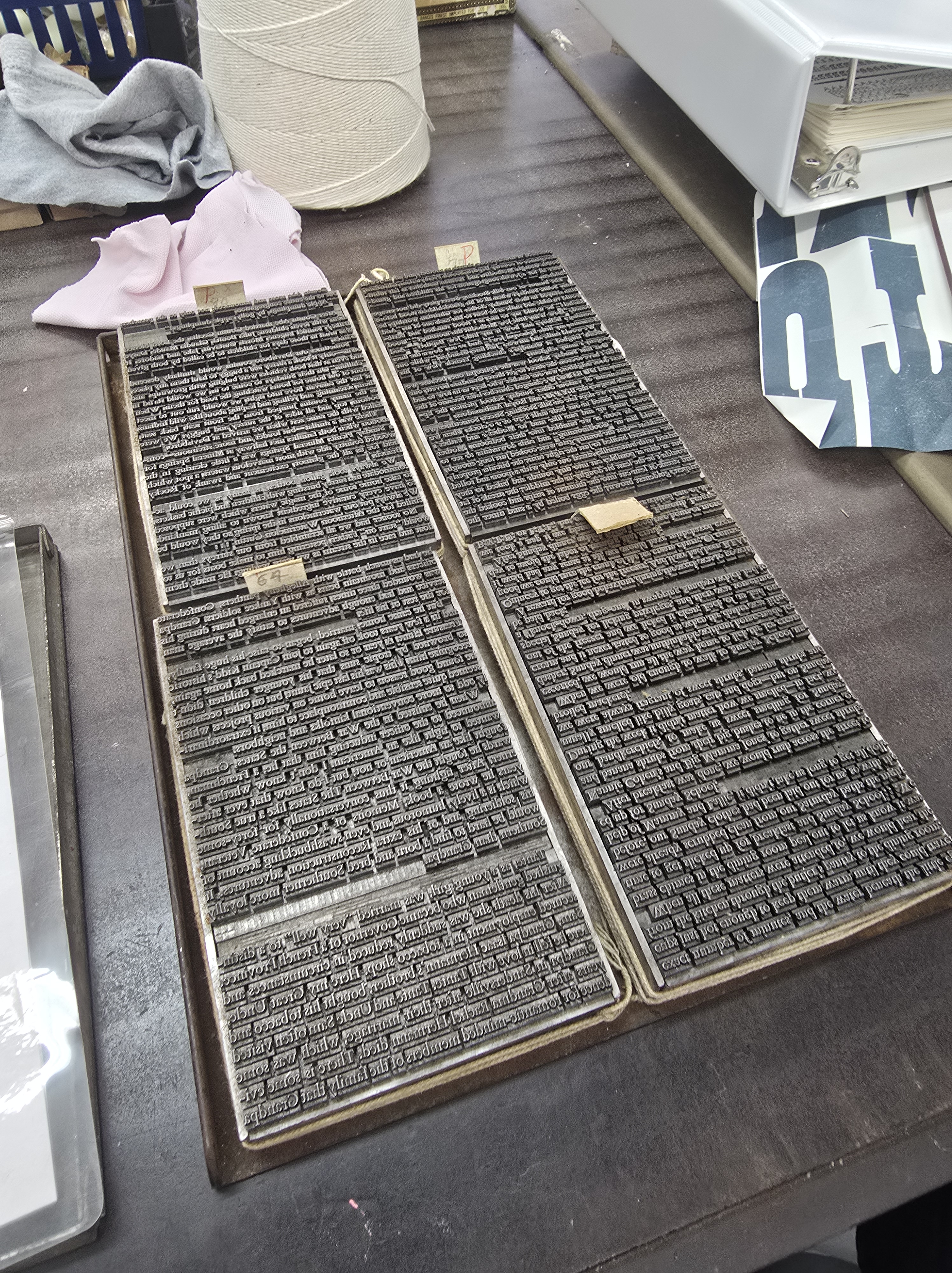
Their son, Bill Jr. who passed in 2001, led a restoration of the house in the 1930s after a fire. Bill and his sister, Annie, an artist, began a nonprofit educational cultural program onsite, and Ashantilly Press, a letterpress studio keen on preserving the art on printing. The amount of historic printing press materials they had on hand was astounding. I could have spent hours looking through the letter blocks and the variety of fonts they had on hand.


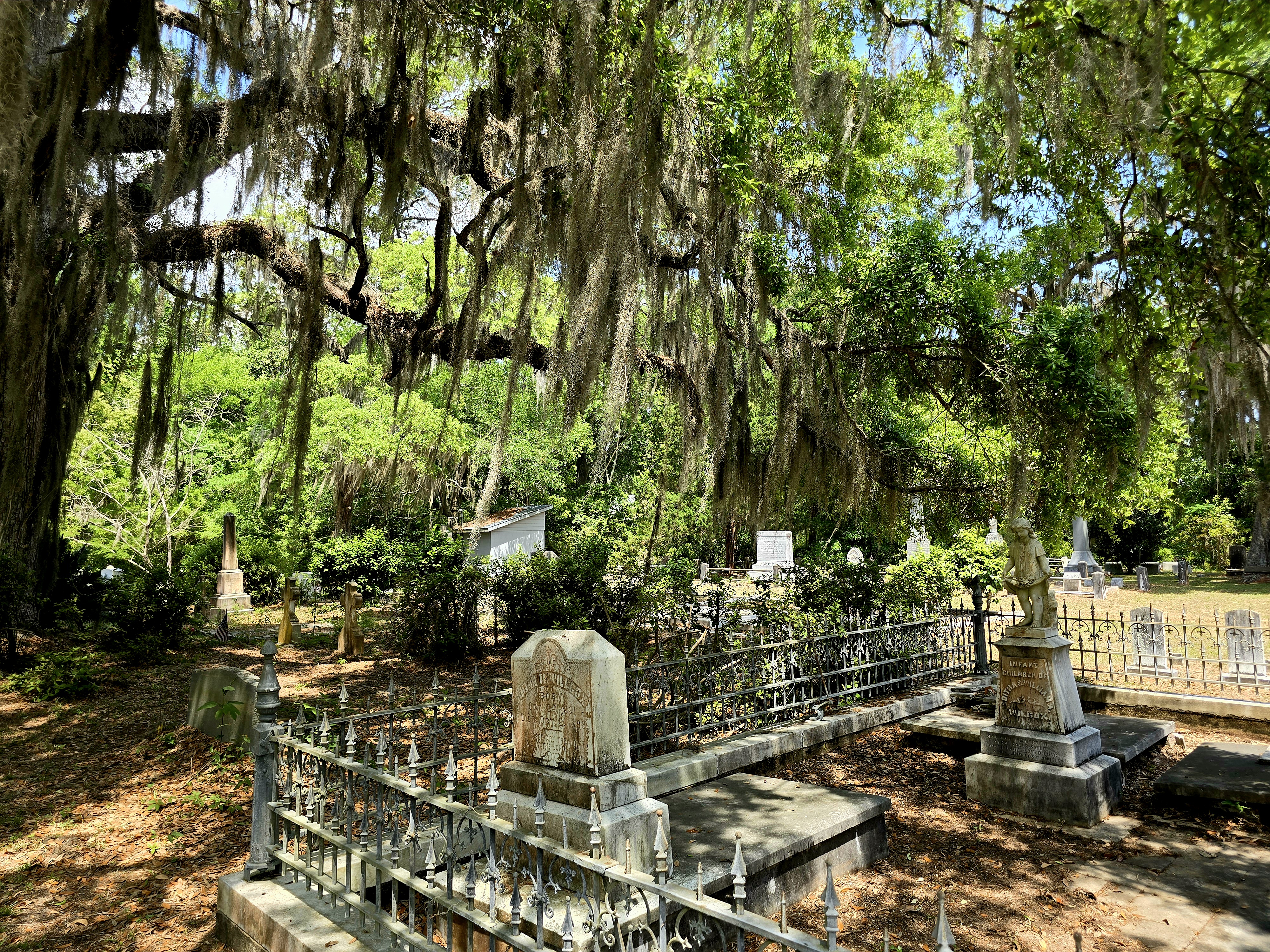
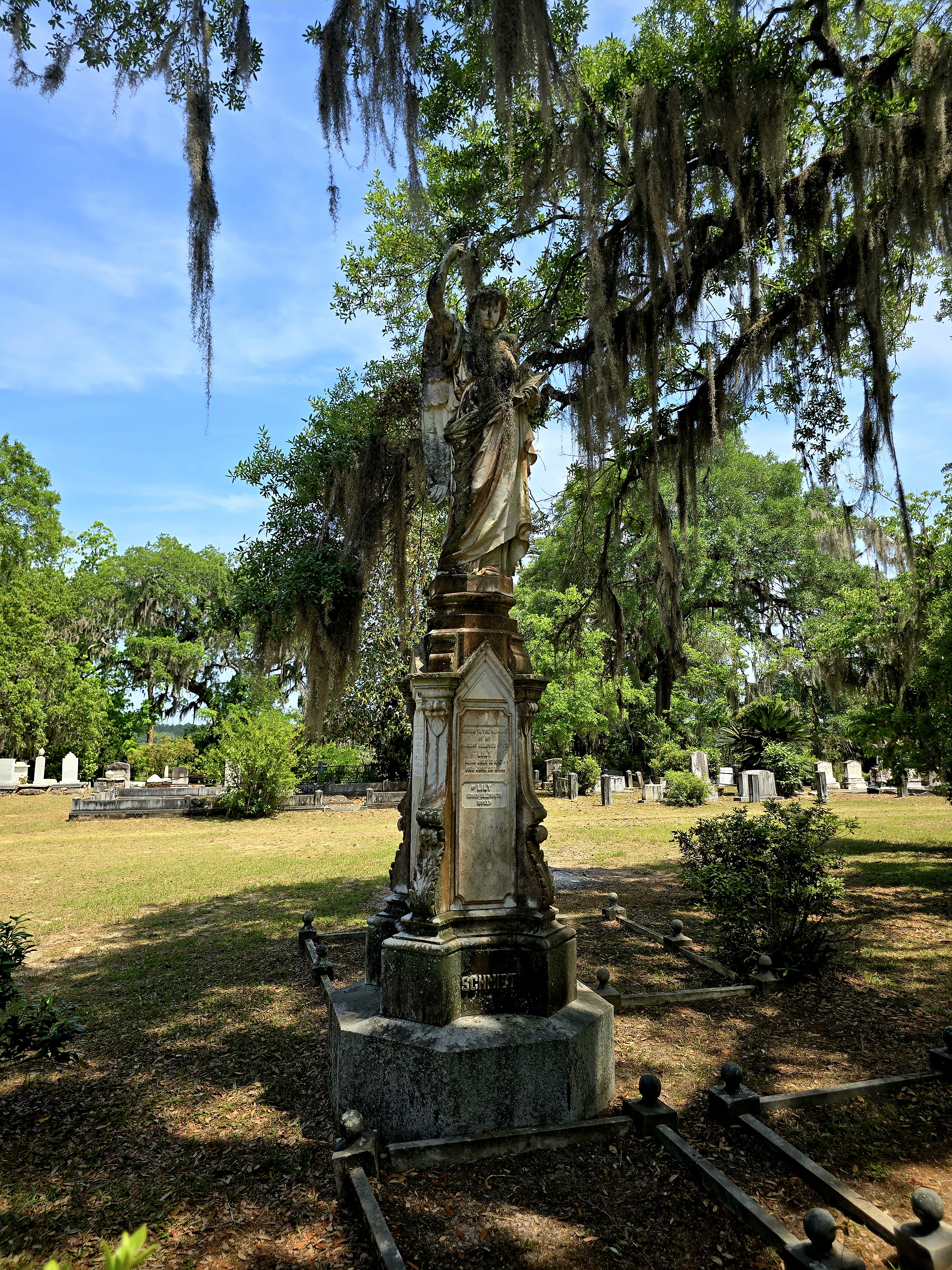
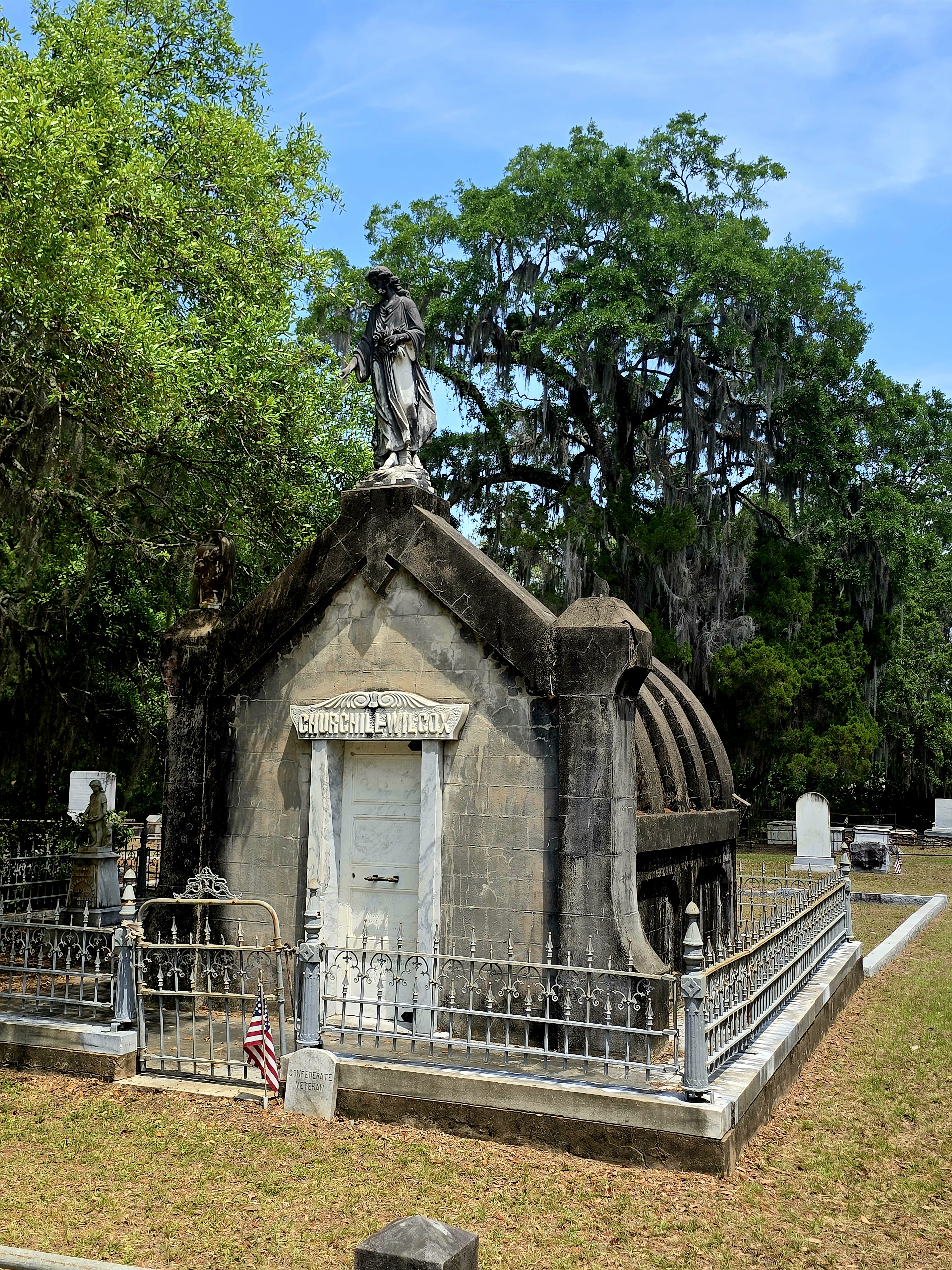
Our last stop before heading back home was St. Andrew’s Cemetery. With its first burial in 1851 when it was the Spalding family burial ground (see Old Tabby house which was not that far away), it opened to the public in 1867.

Ever since the Trust announced the destination for this Spring Ramble, I knew it was a can’t miss. I discovered there was so much to the Golden Isles than the islands such as hidden gems like Darien and Brunswick, and the Ramble allowed me to explore St. Augustine and Cumberland Island on my own. My love of historic places grows even more because of weekends like this.
 Sravanthi Meka