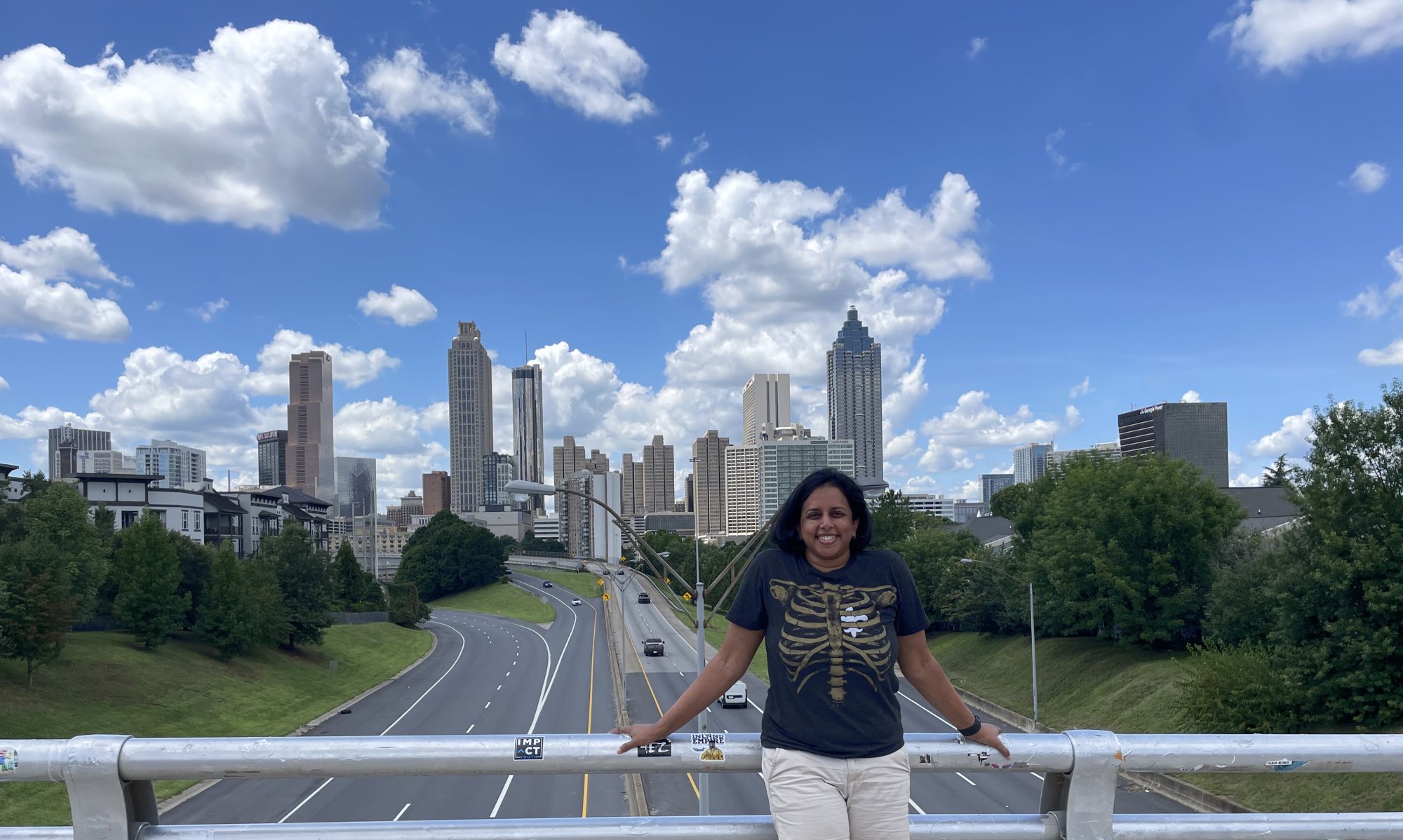

As I turn 47 in a few weeks ago, I set out to find the fountain of youth that Ponce de Leon was in search of almost 500 years ago. I found myself in St. Augustine, Florida, the United States’ oldest settled (by White people) city, but never found the fountain of youth. Good thing I’m young in spirit, even though my body feels twice its age!
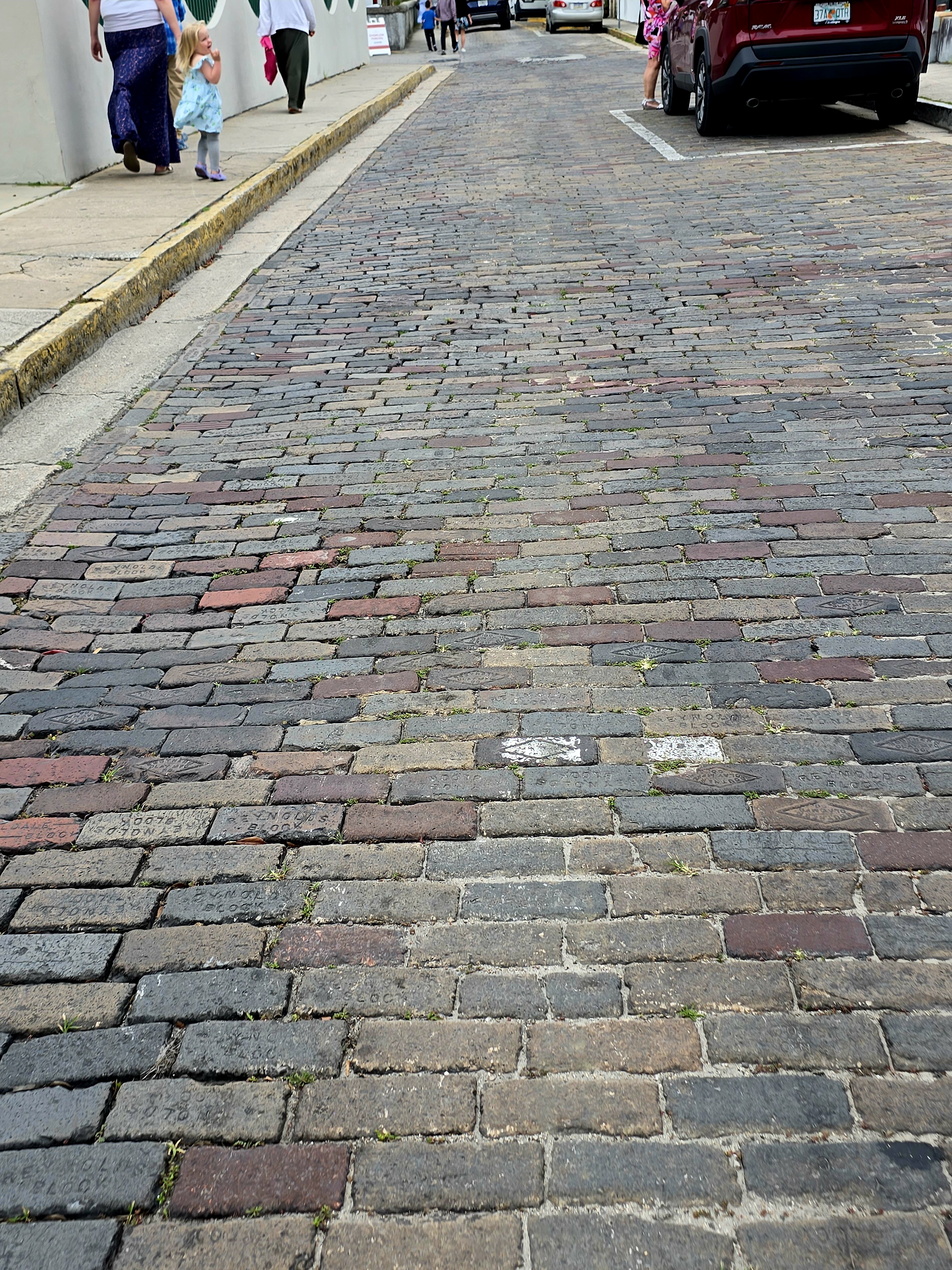
When Juan Ponce de León first landed on the peninsula in 1513, it was Easter Sunday, which the Spanish called Pascua Florida (Feast of Flowers), thus “La Florida”. Quite appropriate as I also ended up in St. Augustine on Easter Sunday! Though explorers like Ponce de León and Hernando de Soto traveled the peninsula in search of gold, and Tristán de Luna y Arellano founded a settlement at Pensacola Bay in 1559, St. Augustine was the first and oldest continuously occupied settlement in what would become the United States by white settlers.
Pedro Menéndez founded St. Augustine on September 8, 1565. Menéndez headed up treasure fleets for the Spanish and became the first governor of La Florida. The oldest street in St. Augustine is named Aviles Street after Menéndez’s hometown in Spain.
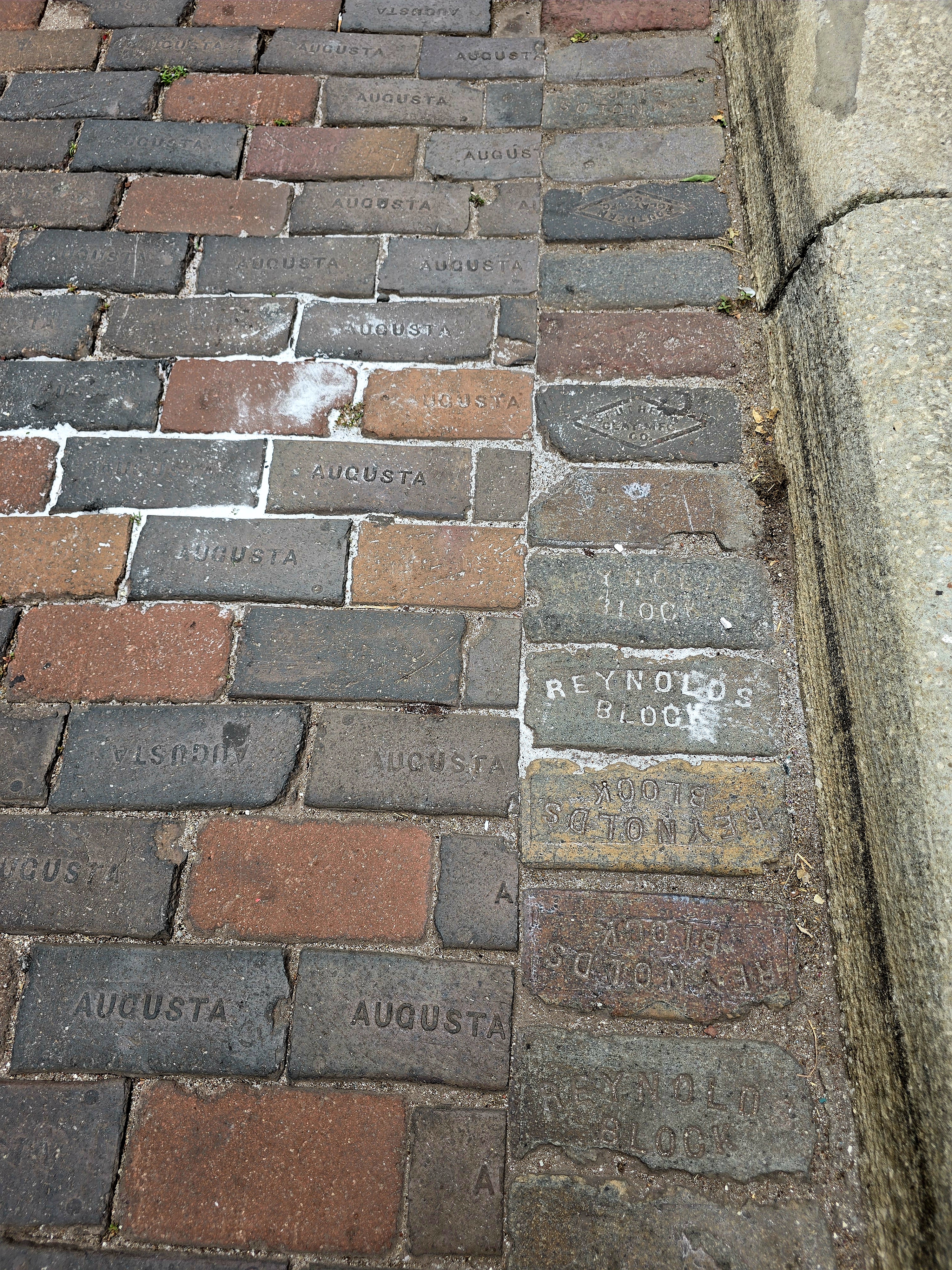
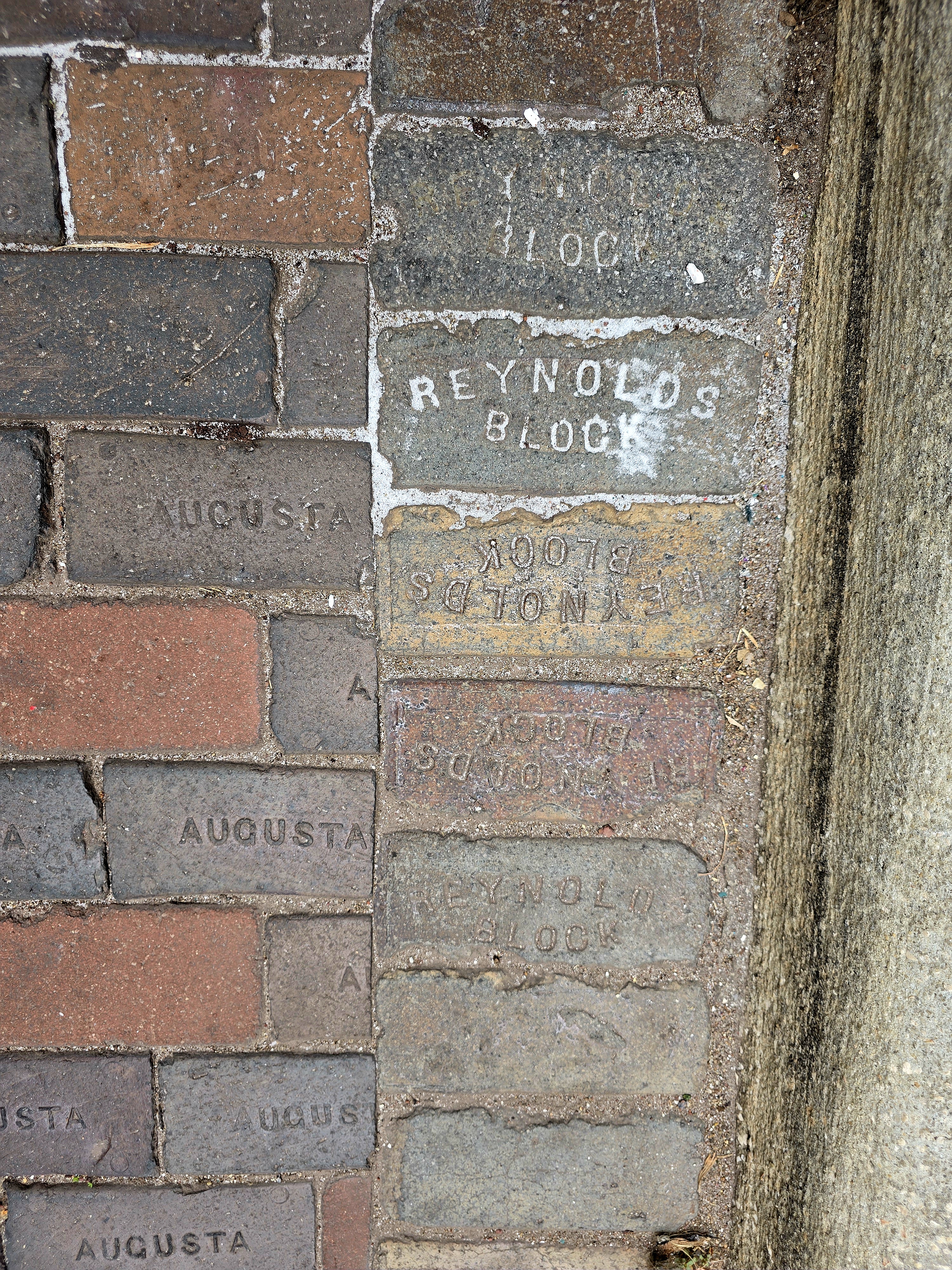
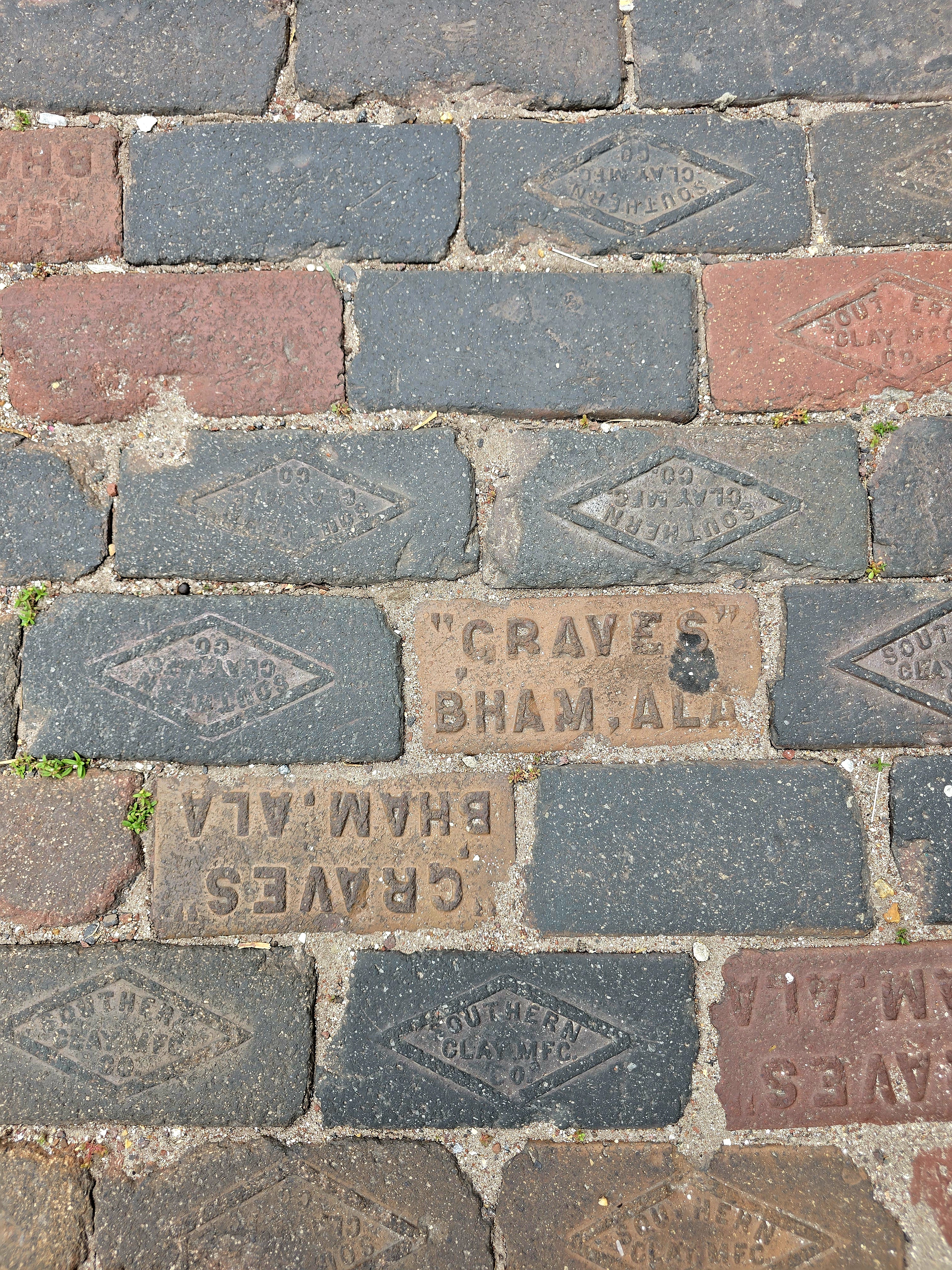
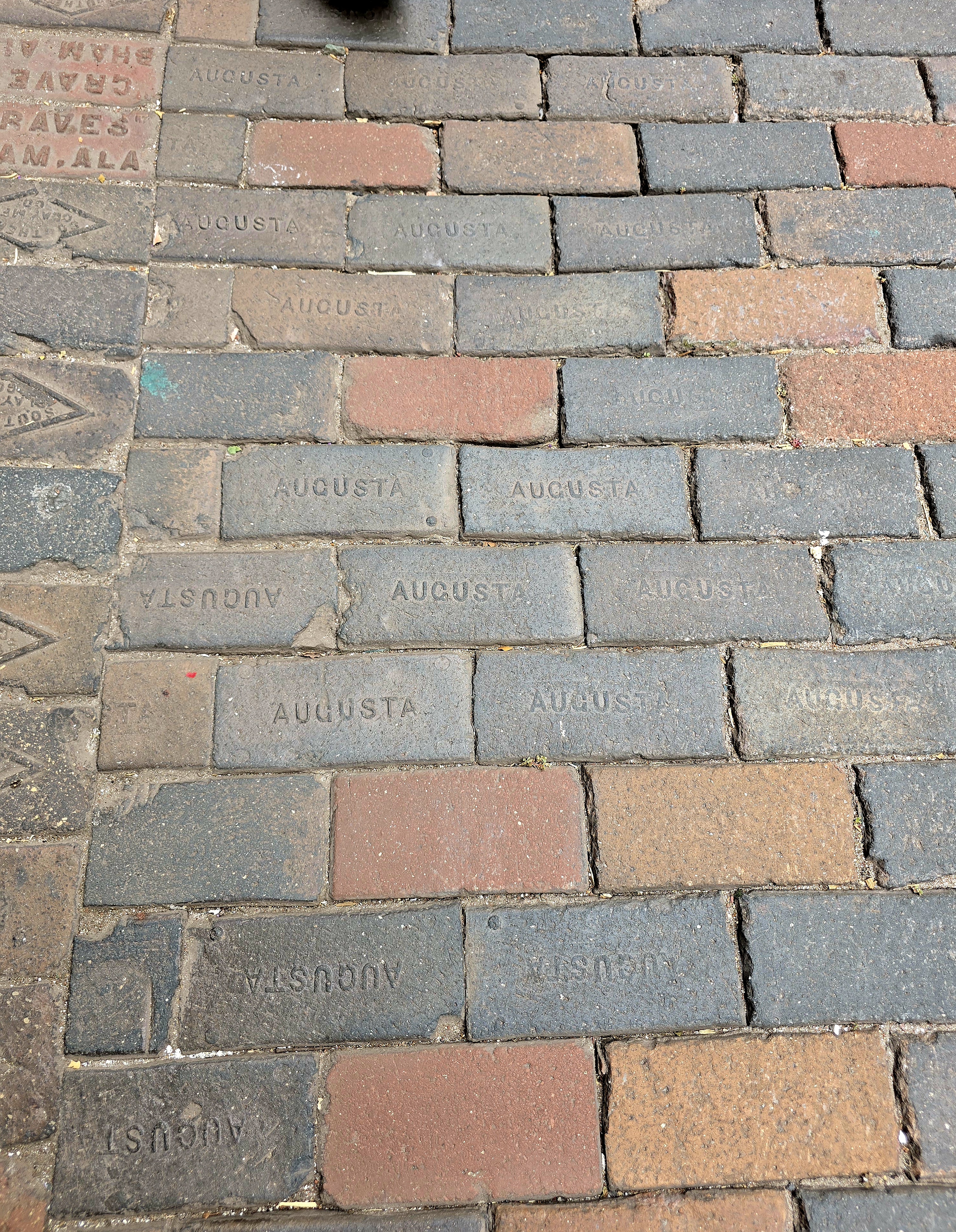

The Minorcans are the only ethnic group that have stayed throughout the history of St. Augustine. They lived on Minorca, one of the Balearic Islands located in the Mediterranean Sea, and came as indentured servants in 1777 with a Scottish man, Andrew Turnbull who lived in Smyrna near present-day Turkey, along with Greeks, Corsicans, Italians and other Balearic islanders. Turnbull and other White settlers brough over 1400 indentured servants on eight ships, though 200 would die before reaching Florida. Minorcan descendants of those indentured servants still live and own property in St. Augustine.
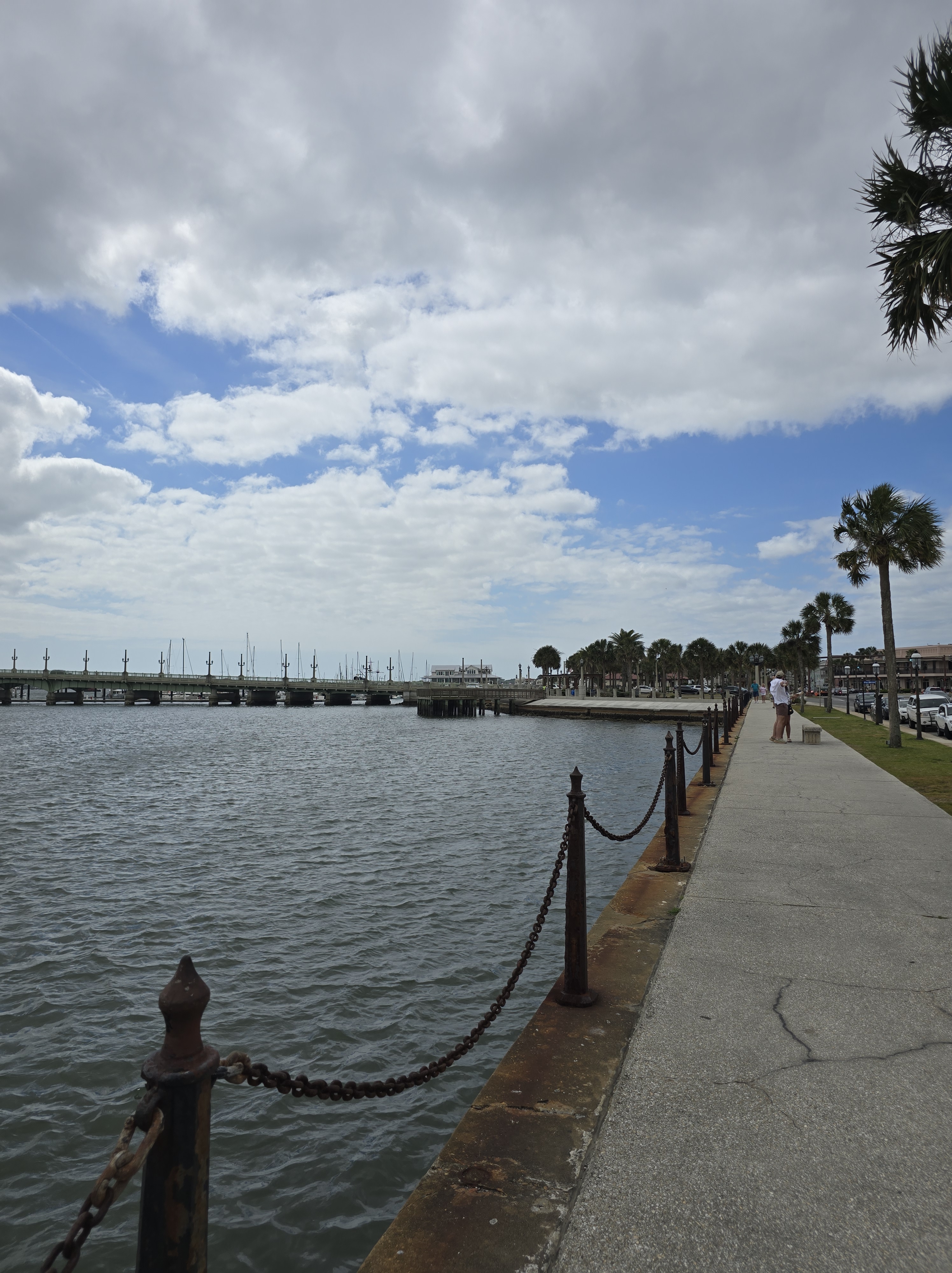
St. Augustine served as the capital of Spanish Florida for over 200 years, and resisted attacks by both the French and British over the years. French Huguenots landed nearby and attempted an attack and were captured by Menéndez and Spanish troops. He had all killed, except for a few Catholic French soldiers, and a few Huguenots whose skills would be useful. This took place in what is now called Matanzas Inlet. Matanzas means “slaughter” in Spanish to remember the slaughter of the approximately 350 French Huguenots killed during this encounter.
Castillo de San Marcos is the tenth fort – the first nine were wooden. Built between 1672 to 1695, it is made of coquina, a special type of limestone that is perfect for a fort because the air pockets in the limestone absorb the impact and weight of the cannons. It was attacked four times, mostly by the British, but never taken.
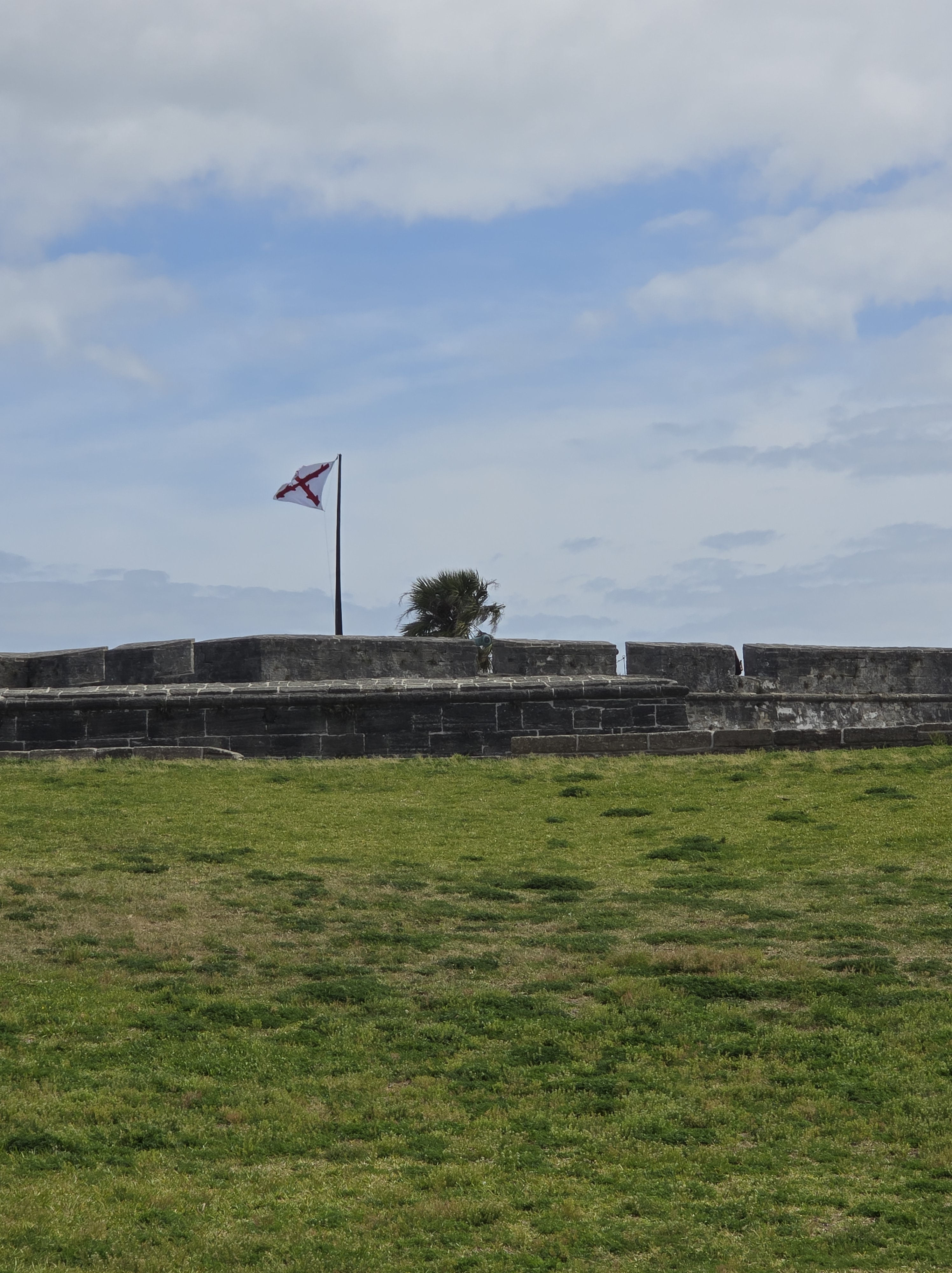
The flag on the fort was the Spanish flag from 1506 to 1701 and is known as the Cross of Burgundy, and was used by the House of Bourbon who ruled France and Spain. It was based on the Cross of St. Andrew. This flag was the basis for both the Alabama and Florida state flags.
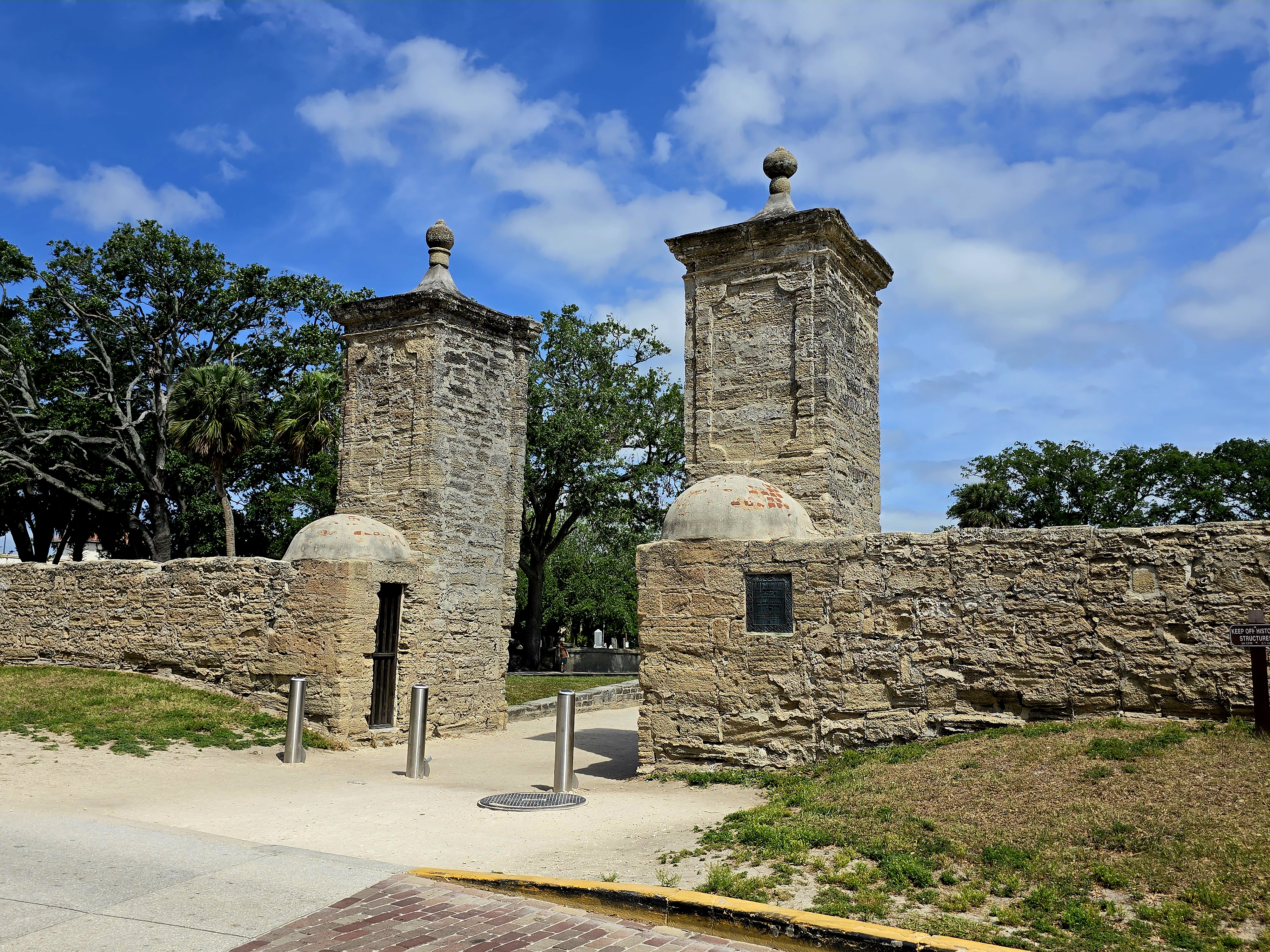
The city walls and gate were made of coquina, first erected in and last maintained in 1808 in its original form. It was partially destroyed in 1909 as the city no longer needed protection after Florida became a state. The gate section was saved by the women’s club.
Bridge of Lions connects St. Augustine on the mainland to Anastasia Island, and was built between 1925 and 1927. Two pairs of marble Medici lions guard either side of the bridge, hence, the name. They are copies of the lions on the Loggia dei Lanzi in Florence, Italy. The bridge was replaced in the 2010s, and the lions kept in storage during the replacement process, but they are back at their stations now.
In 1821, Spain sells Florida to U.S. for $5 million, but Florida didn’t become a state until 1845 and had a 66,000 population by this time. Then the Civil War began.
Lincolnville, the historically Black section of St. Augustine, was called Little Africa immediately after the Civil War, and became known as Lincolnville after the street grid was added in 1878. The freedmen who founded the neighborhood leased the land for $1 per year along the west bank of Maria Sanchez Creek, opposite the already developed part of St. Augustine. It lost momentum as soldiers returned from World War II needed homes, and moved to suburban neighborhoods outside of the city. St. Augustine demolished many of the properties in the 1990s, and is actively trying to redevelop the neighborhood today. It is considered a historic district and listed on the National Register of Historic Places in 1991.
St. Augustine and the Civil Rights Movement
St. Augustine was chosen as a site of protests because of the northern tourists who frequented the city, and the city’s upcoming 400th anniversary in 1965. Among those who traveled to St. Augustine included Ralph David Abernathy, Dr. Martin Luther King, Jr., C.T. Vivian, and Andrew Young, among others. The day after the Civil Rights Act of 1964 filibuster in the U.S. Senate was broken up, Dr. King was arrested in St. Augustine on June 11, 1964. He wanted to eat lunch at the Monson Motor Lodge, but wasn’t even allowed in the front door before he was arrested for trespassing. King wrote to a rabbi while in jail, and recruited 17 rabbis to come protest at the Monson and they too were arrested.
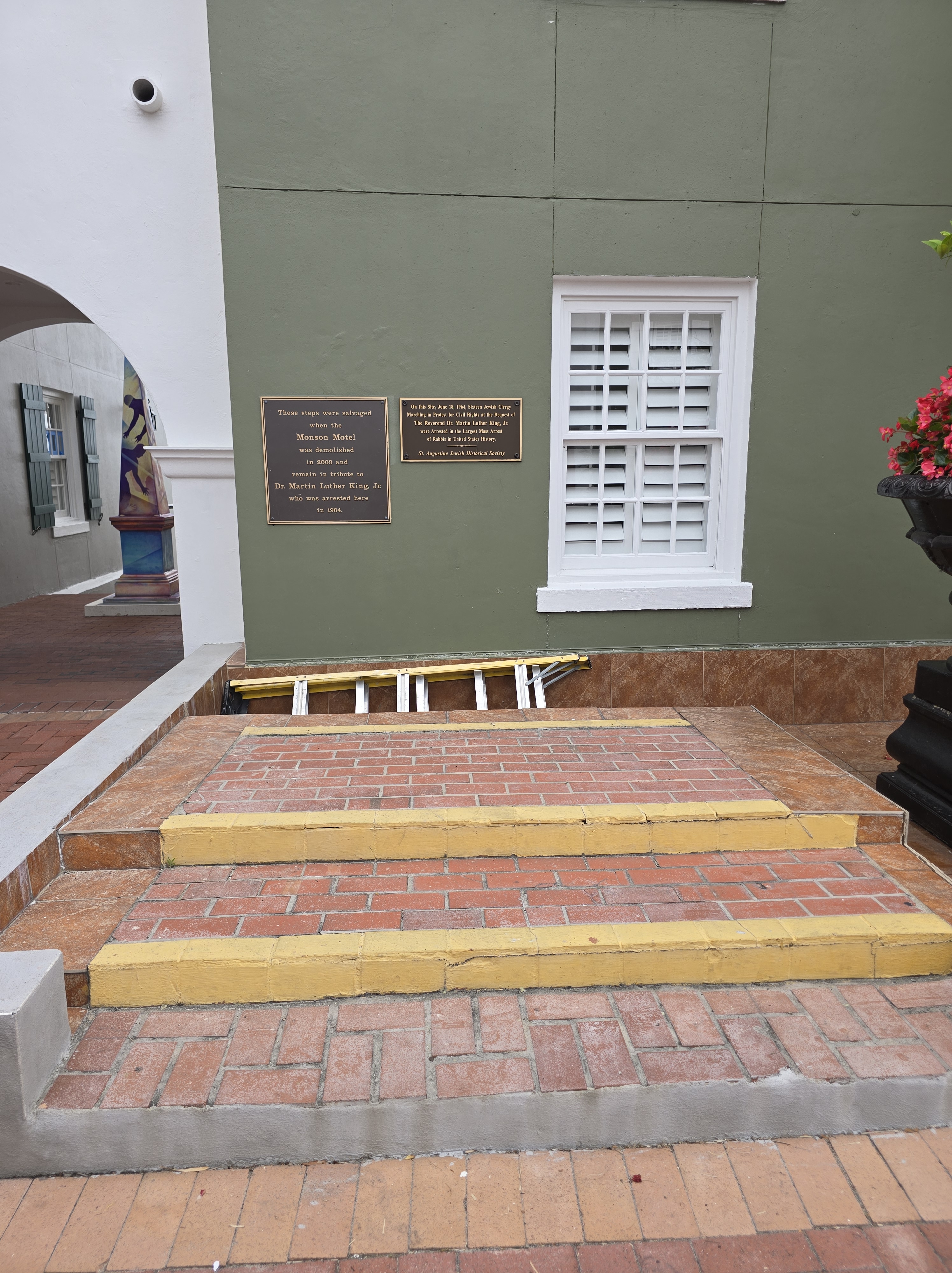
After the rabbis were arrested, protestors from Albany, Georgia, jumped into the pool, and the owner of the hotel poured muriatic acid into the pool while the protesters were in it. James Brock owned the Monson Motor Lodge and was president of the St. Augustine Hotel, Motel, and Restaurant Owners Association. Photographs of the acid being poured into the pool, and of policemen arresting the swimmers made news around the world. While the quadricentennial took place in 1965, it is estimated that the St. Augustine tourism industry lost millions due to the press surrounding the forced desegregations and resulting violence. The Monson Motor Lodge was eventually demolished in 2003 and replaced by the Hilton Bayfront Hotel, though the new owners marked the spot where the pool was to remember the efforts of the protestors.
The Gilded Age Hotels
Built by Standard Oil magnate Henry Flagler between 1885 to 1887, The Ponce de Leon Hotel was the first fully electrified hotel in the South, and one of the first buildings in the country with electricity, three years before the White House. Flagler brought Thomas Edison down to build the power station, and Louis Comfort Tiffany to design the stained glass. It was completed in just 14 months and opened in January 1888.
Hotel guests were so new to the concept of electricity, and scared to turn switches on and off that Flagler hired staff to turn the switches on and off. The hotel was one of the first to be built with poured concrete, with local coquina as aggregate. Rooms were booked for the entire season, all winter, for the equivalent of $100,000. The hotel closed in 1960, and become Flagler College in 1968.
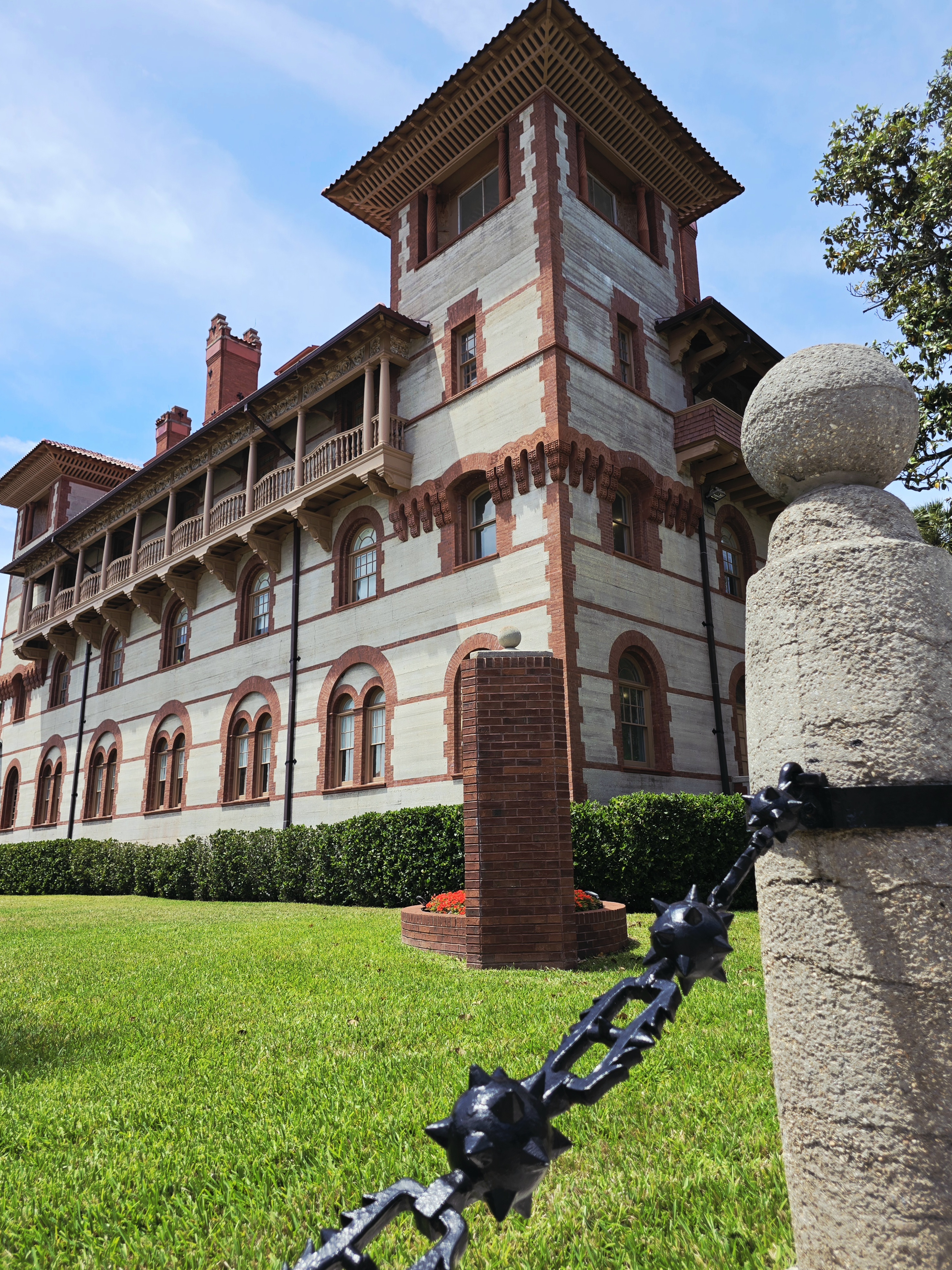
Flagler’s second hotel, Alcazar Hotel opened in 1899, and was originally intended to be a casino. Rooms here could be rented by the night instead of the season for the more economic guest, and those who were not living a life of leisure to take an entire season in St. Augustine.
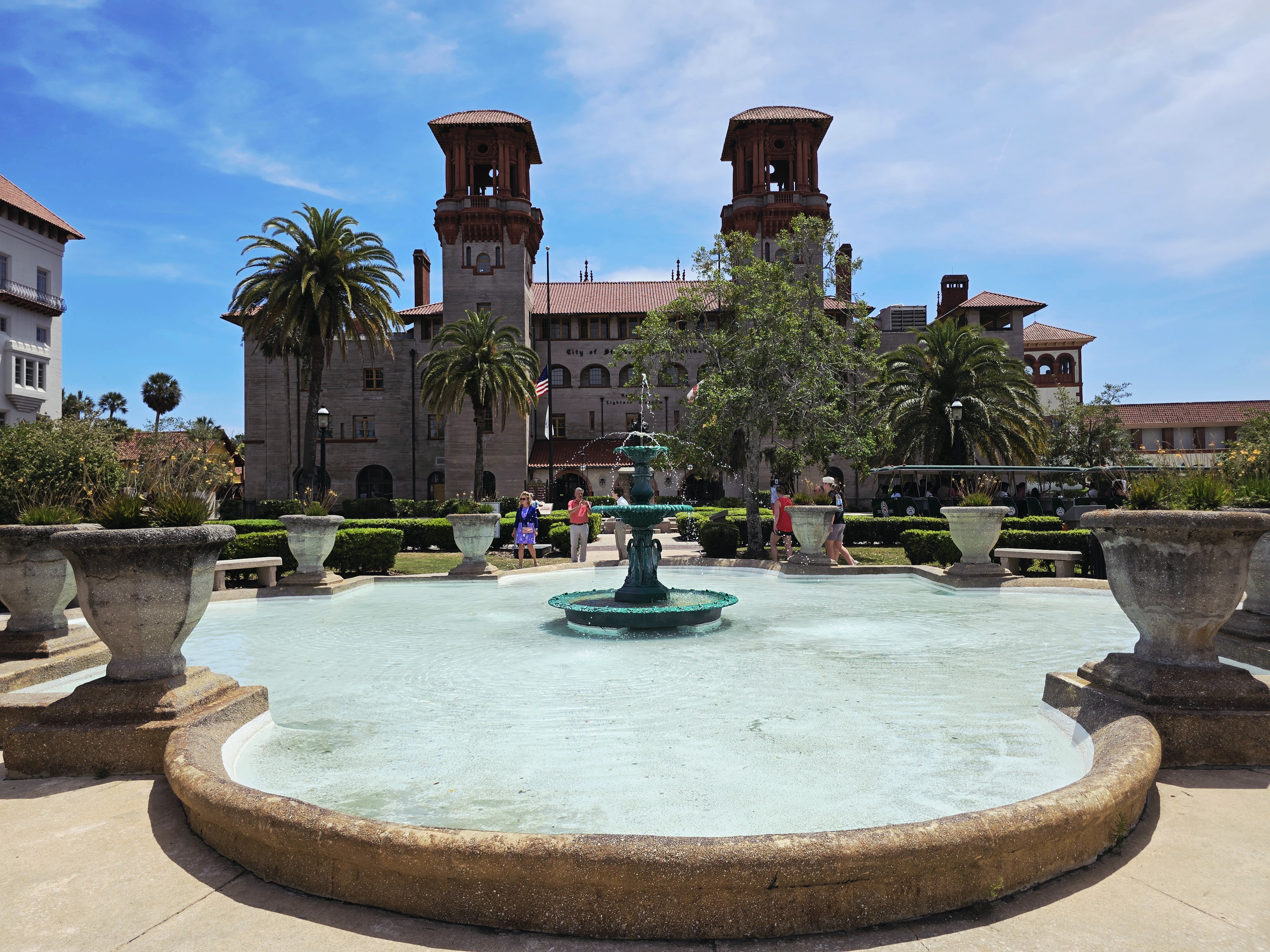
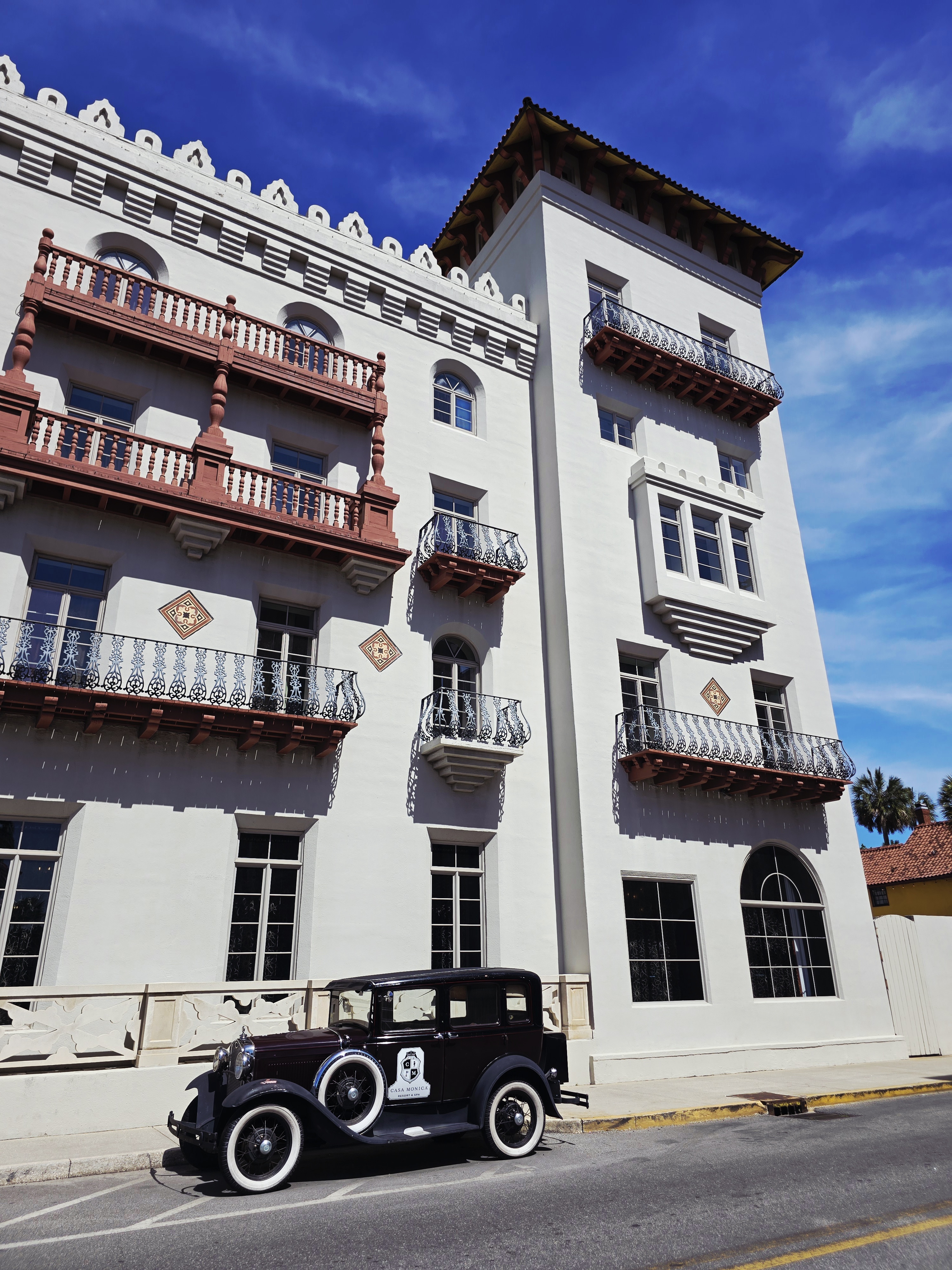
Casa Monica was the third Gilded Age hotel, opening in January 1889. Built by Frank Smith who was from Boston. He was inspired by the Alhambra in Granada, Spain. Unfortunately, His main hotel competitor, Henry Flagler also owned the railroads going into St. Augustine, and he slowed delivery of building supplies and food, so Smith ended up selling to Flagler after running into severe economic issues due to the delays.
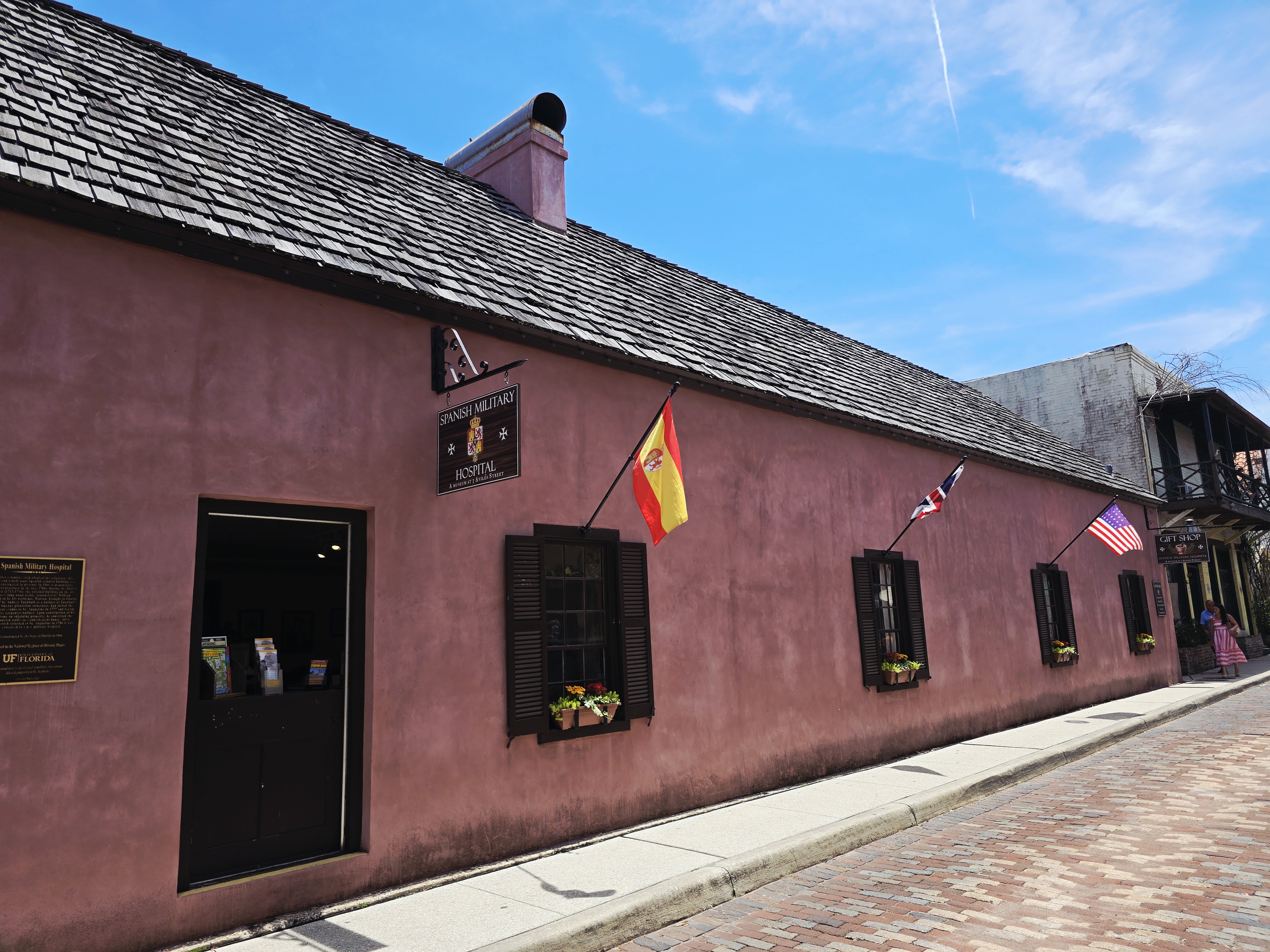
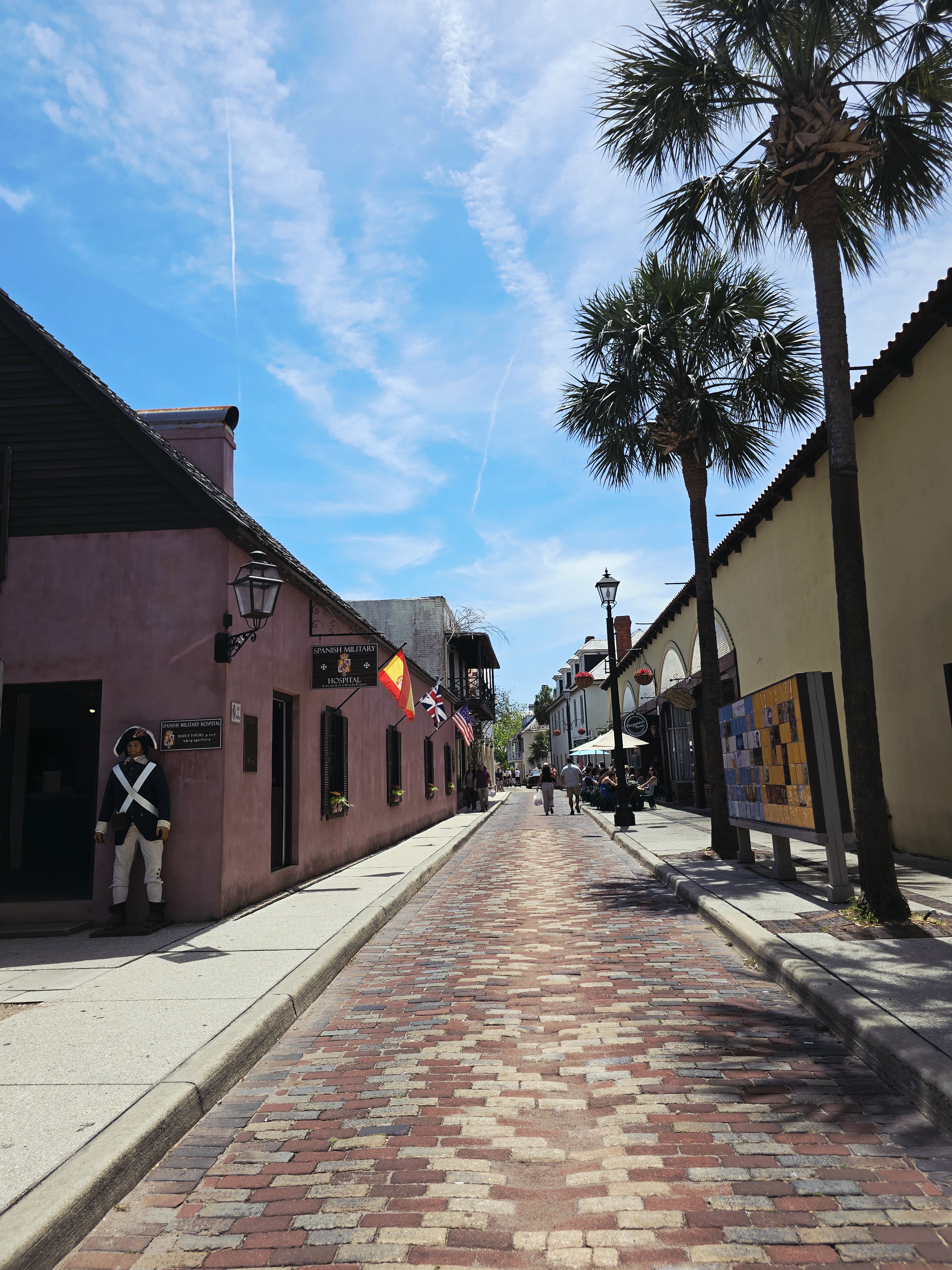
Aviles Street, named after Menéndez’s hometown in Spain, is the oldest street in the city, dating back to the 16th century. It was originally known as Hospital Street because of the Spanish Military Hospital, whose second location still stands on the street. I prefer the tranquility of this street compared to the tourism-driven nature of Saint George Street, which is lined with chain stores, restaurants, and tchotchke shops. Saint George Street was considered the main drag of St. Augustine even during colonial times.
St. Augustine Lighthouse
Before I left St. Augustine to head back to Amelia Island, I visited the St. Augustine Lighthouse on Anastasia Island, just across Matanzas Bay from the mainland. The current lighthouse was built between 1871 and 1874 on the north end of the island. The original lighthouse was built in 1824, and was Florida’s first lighthouse, but erosion and an encroaching coastline led to the construction of the new lighthouse, and the first one eventually fell into the ocean in 1880.
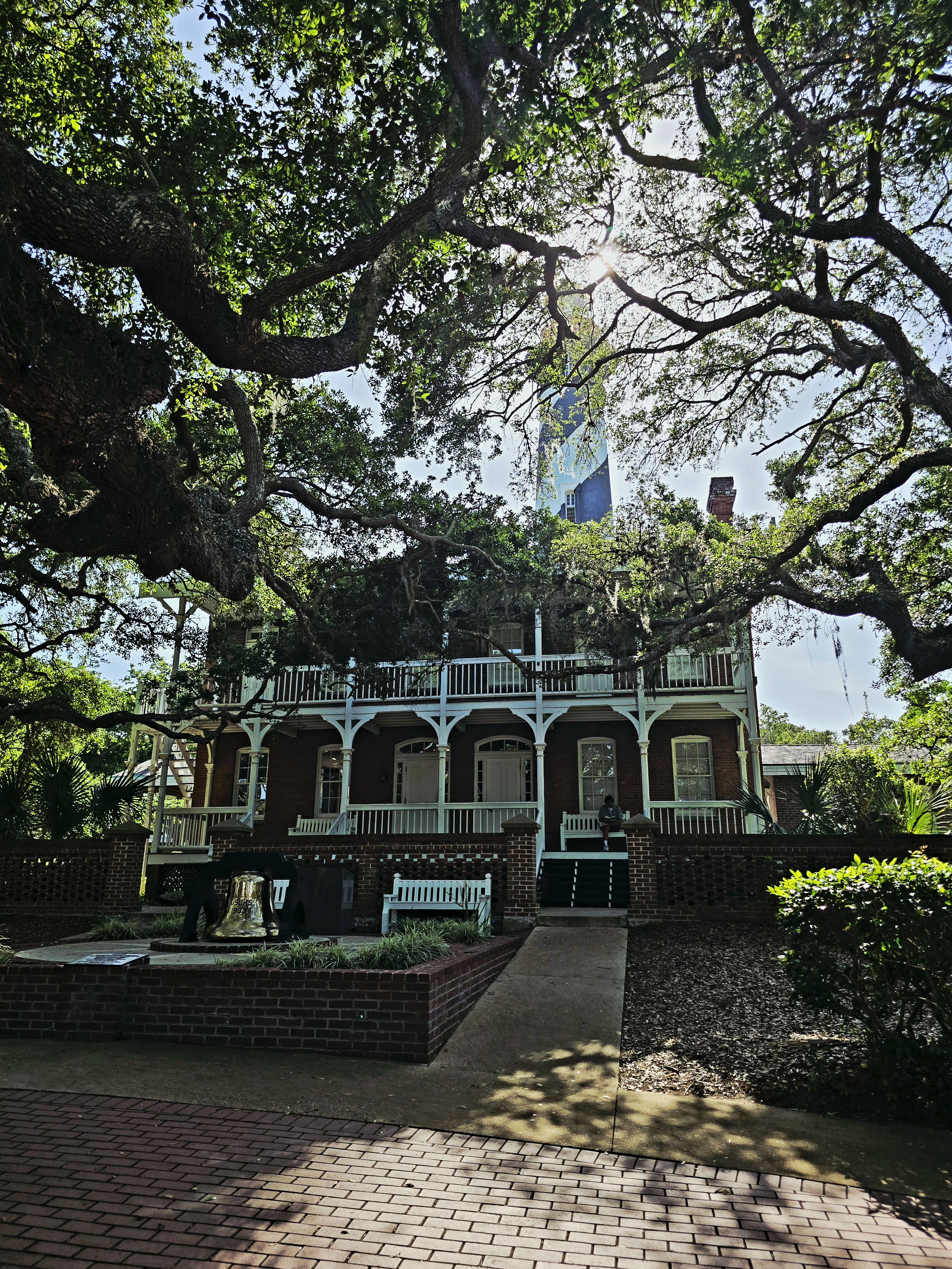
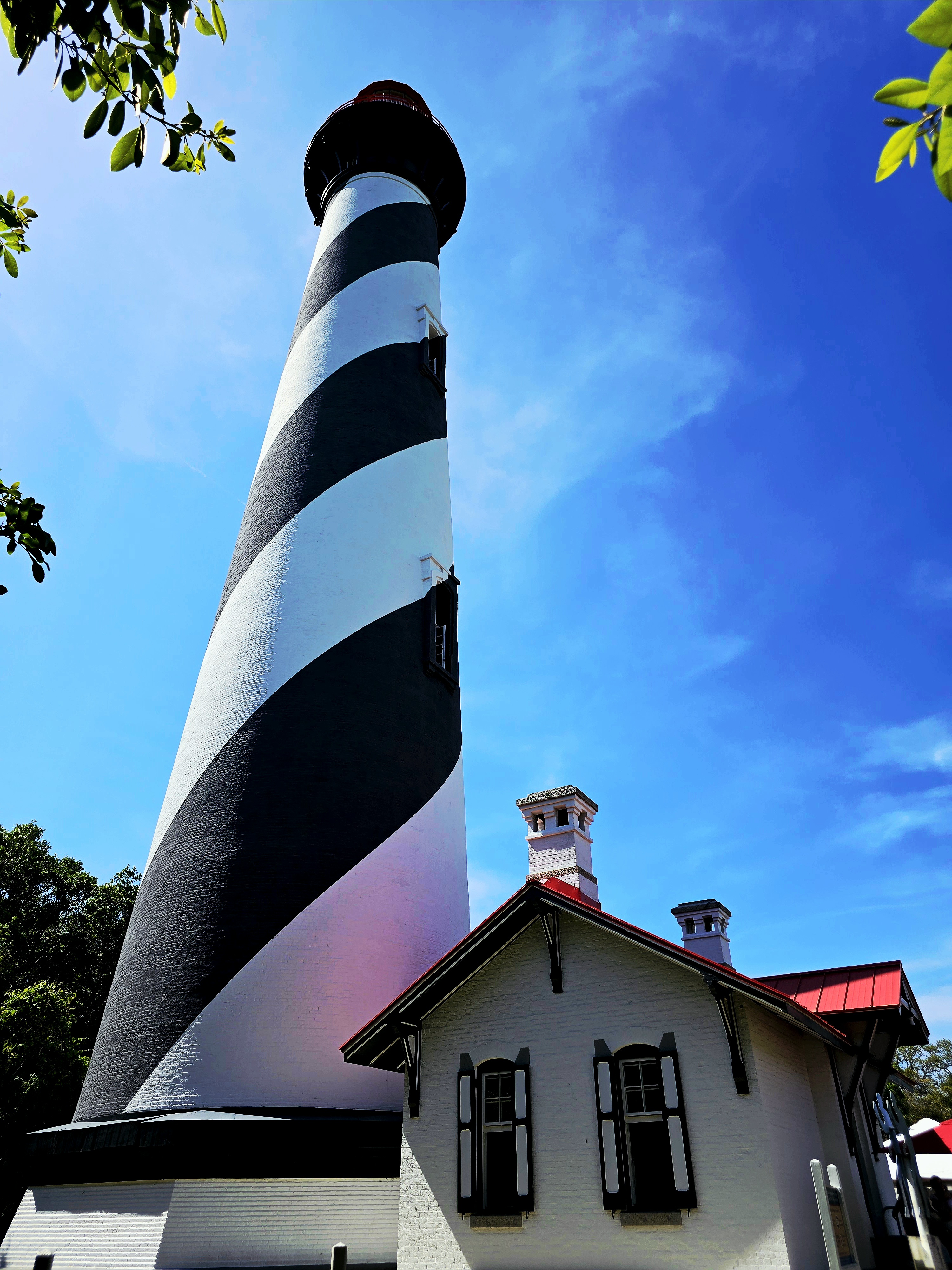
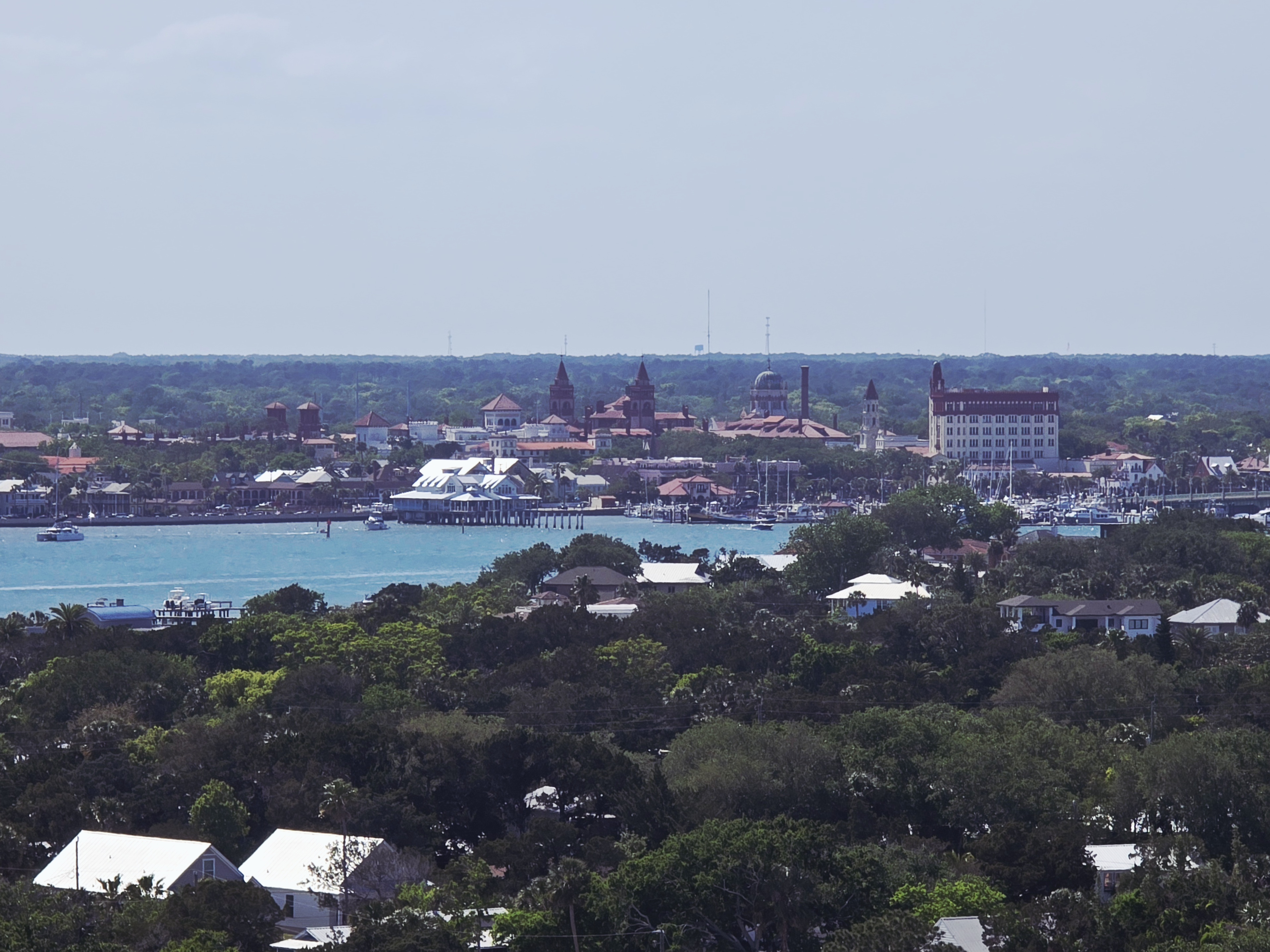
The 1886 Charleston earthquake caused the lighthouse to sway, but the lighthouse didn’t suffer any structural damage. In 1885, the lighthouse was converted from lard oil to kerosene, electrified in 1936, and automated in 1955. The Keepers’ House was built in 1876, and now serves as the museum.
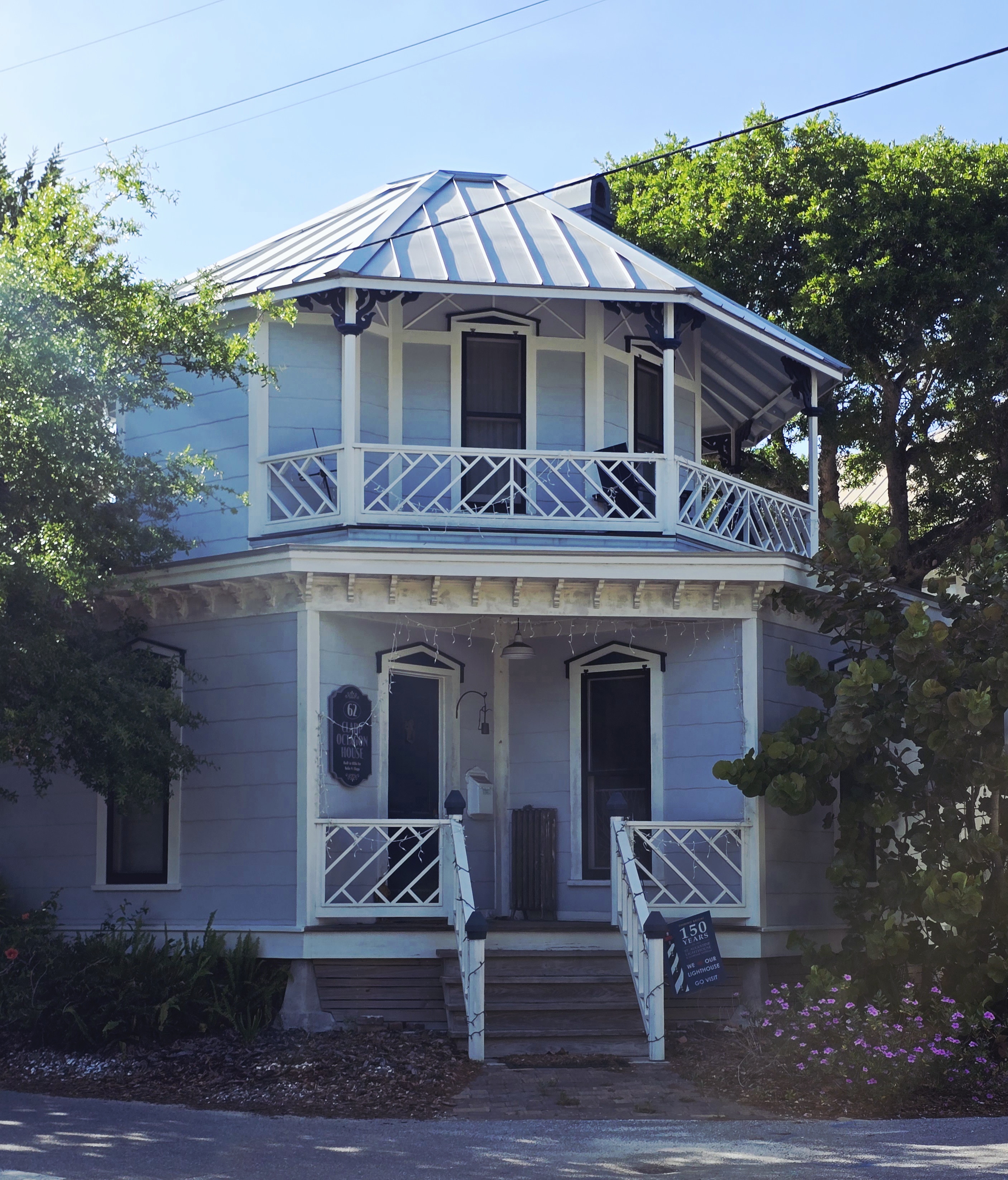
On the way back to the mainland, I passed the Clapp Octagon House, built in 1886, so of course, I put the car in reverse and had to get a couple of shots of it. Of course, since I was exploring St. Augustine on Easter Sunday, this meant that most of the museums were closed, so that just means I have to come back for another visit!
 Sravanthi Meka