
Of the 83 books I read in 2024, I would definitely rank The Women and The Frozen River as the best of the best. I read The Women and The Frozen River back to back, and they complemented each other very well. Both had female protagonists in healthcare who were denigrated and stigmatized by women and men for the work they were doing. On the flipside, I read books like The Island of Sea Women, where women were the breadwinners and decision-makers for their community. Most of my reads are historical fiction, and written by female authors.
Here are my top 10 in the order in which I read them:
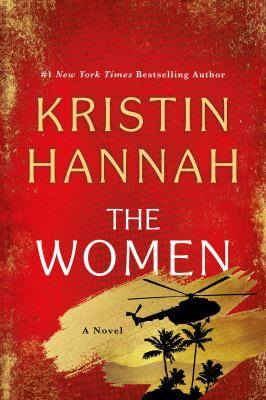
The Women
by Kristin Hannah
Kristin Hannah knocked it out of the park yet again. The Women centers on Frankie McGrath, an Army nurse in Vietnam. It’s hard to imagine that Vietnam is considered historical fiction, but it’s been 50 years since the war ended, The women who served as nurses in combat conditions volunteered, unlike many of the men who were drafted. Like the men, they encountered anger and vitriol from the American public once they returned home. While they were veterans like the men, people didn’t believe that they experienced any trauma. It makes sense that Hannah chose Frankie as the main character, given that she grew up in a wealthy family and led a sheltered life before she enlisted. Hannah said she was inspired by memoirs written by nurses who served in Vietnam, and had a difficult time adjusting to civilian life upon returning to the States, and even suffered from post-traumatic stress disorder.
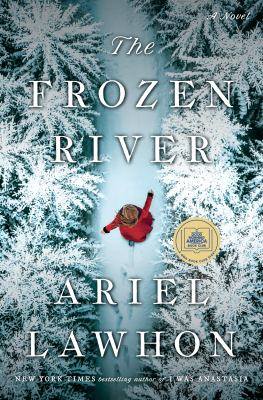
The Frozen River
by Ariel Lawhon
Set in Maine in the late 1700s, the main character, Martha Ballard, is a midwife who is met with a variety of challenges, both in her professional and personal life. Based on the true story and written in diary form, the book opens with the body of a man found frozen in the river. Throughout the book, Martha has to defend herself, her profession, and her family against attacks by the town, its citizens and the government. I was so enthralled by the story that I bought the biography about Martha Ballard, and hope to read Martha’s diary that Lawhon based her book on, though it is difficult to find.
The Frozen River was a GMA Book Club pick and NPR Book of the Year.
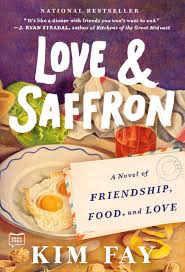
Love & Saffron
by Kim Fay
I’m a self-professed foodie, so, of course I gravitate to books and movies about cooking and food. The book explores the burgeoning friendship between two women in the 1960s through letters (known as an epistolary novel for those who are not as nerdy about books as I am). Together, they discover new ingredients, explore cuisines, and test the boundaries of their time. I was overjoyed to be on that journey with them.
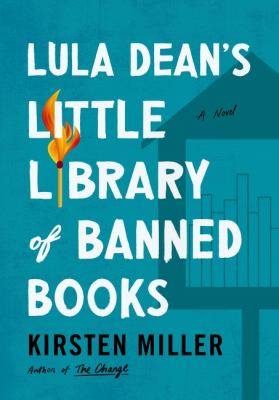
Lula Dean’s Little Library of Banned Books
by Kirsten Miller
While banning books is not a new concept, any book lover will tell you that the subject is rarely a laughing matter, but I found myself laughing out loud a few times while reading about the conflict between Beverly Underwood and Lula Dean. Beverly serves on the school board in a small Georgia town, and when a spot opens up on the school board, Lula Dean, decides she wants it, and uses the opportunity to wage her battle against “impure” books. She sets up a Little Free Library in front of her home with what she considers “wholesome” books. In a comedy of errors, unbeknownst to her, the wholesome books are replaced by the ones she wants to ban. Being from a small town in Georgia where the integration of schools in the early 1970s basically shut down the town’s public school system, I definitely identified with the characters in this book!
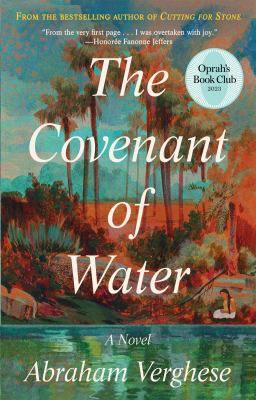
The Covenant of Water
by Abraham Verghese
This one is a doozy, but everything by Verghese is, both in the number of pages — 736 — and topic. The Covenant of Water is set in Kerala, and tells the story of three generations of a family cursed by a drowning in each generation. Verghese’s medical background is evident as he easily explains medical conditions like leprosy, and the advances made in medicine during the time period of the book. As you go from 1900 to 1977, you sympathize with Big Ammachi, the matriarch of the family, and finally come to admire her for everything she has endured.
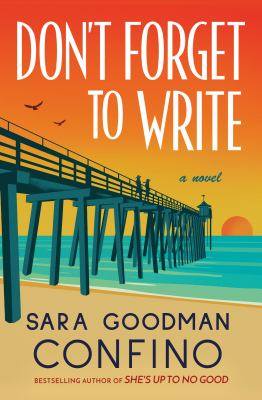
Don’t Forget to Write
by Sara Goodman Confino
Another strong female protagonist, Marilyn is a Jewish teenager in 1960 Philadelphia who is sent to live with her great-aunt Ada after a scandalous public incident at the synagogue. Ada is a well-known matchmaker to Philadelphia society with an impeccable wardrobe and a stylish Cadillac convertible. She sets the rules for her and Marilyn’s summer at the Jersey shore where her business moves in the summertime. Over the summer, Marilyn learns how to navigate the boundaries set by society and older generations, and finds out some family secrets along the way.
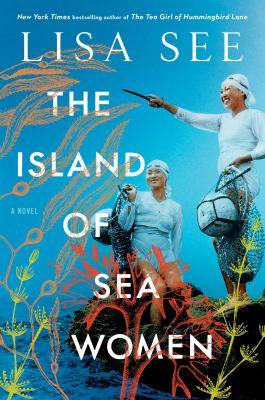
The Island of Sea Women
by Lisa See
Unintentionally, three of the next four books all center on Asian characters or are set in Asia. The Island of Sea Women is set on the island of Jeju, and centers on the lives of haenyeo, the women free divers who collect abalone and sea urchins among other sea creatures. In Jeju culture, women are the primary breadwinners and financial decision-makers for the family, though the men still own the land and perform religious ceremonies. The story goes back and forth between 2008 and the period when the two main characters, Mi-ja and Young-Sook, were growing up before, during and after World War II. Jeju was occupied by Japanese forces during the war, and Mi-ja was the orphaned daughter of a collaborator. During the 2008 timeline, an older Young-Sook and the descendants of Mi-ja reconnect, and Young-Sook relates the stories from their youth.
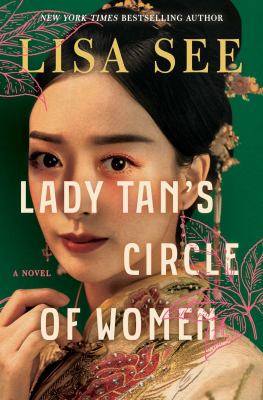
Lady Tan’s Circle of Women
by Lisa See
I liked The Island of Sea Women so much, I checked out another book by the same author, Lisa See. This time, See delves much further into history to 15th century China during the Ming Dynasty. The book is based on a true story of a female physician, Tan Yunxian, who wants to follow in her grandparents’ footsteps as a healer. The book follows Yunxian as her friendship with Meiling, the daughter of a midwife, develops. I read about the medical training Yunxian receives, including the herbs to treat disease and infection, like the infection that killed her mother after her bound feet became infected. Yunxian is forced into an arranged marriage as ancient Chinese tradition dictates, and finds life in her husband and mother-in-law’s world unbearable. Her skills as a physician are what end up saving her though.
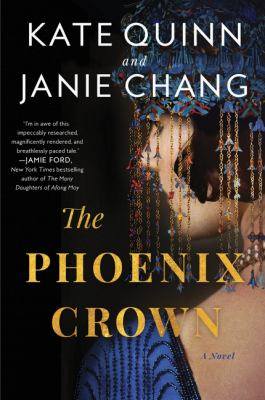
The Phoenix Crown
by Kate Quinn & Janie Chang
I don’t know what it is about the 1906 San Francisco earthquake, but there are several books with this setting that I have read over and over again, including The Nature of Fragile Things by Susan Meissner and A Race to Splendor by Ciji Ware about none other than Julia Morgan. The Phoenix Crown features two women from completely different backgrounds: Gemma, a singer nearing the end of her career, and Suling, a seamstress from Chinatown trying to escape an arranged marriage. They both meet Henry Thornton, a railroad baron who collects Chinese antiques like the fabled Phoenix Crown, taken from Beijing’s Summer Palace like many artifacts during that time period. The earthquake comes just as Gemma and Suling are getting what they need to get ahead in their lives.
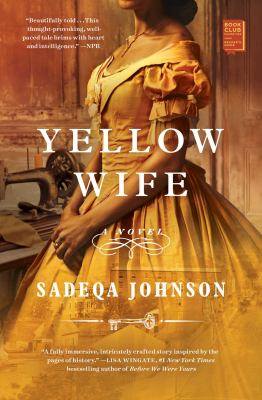
Yellow Wife
by Sadeqa Johnson
I read Sadeqa Johnson’s later novel, House of Eve (2023), and was hooked. I had to read more books by her, and Yellow Wife was just as good as House of Eve! Yellow Wife came out a couple of years before, so it had been on my TBR list for awhile. The book follows Pheby, an enslaved young woman who is promised freedom by her attentive master on her eighteenth birthday, but she finds herself in a jail for the enslaved in Richmond, Virginia instead. Pheby is taken from her relatively (for an enslaved person) comfortable life on the plantation where her mother was the medicine woman, and Pheby was in favor with the owner’s sister, to the worst place for an enslaved person, the slave jail that can break most any already tortured soul.
A bonus read:
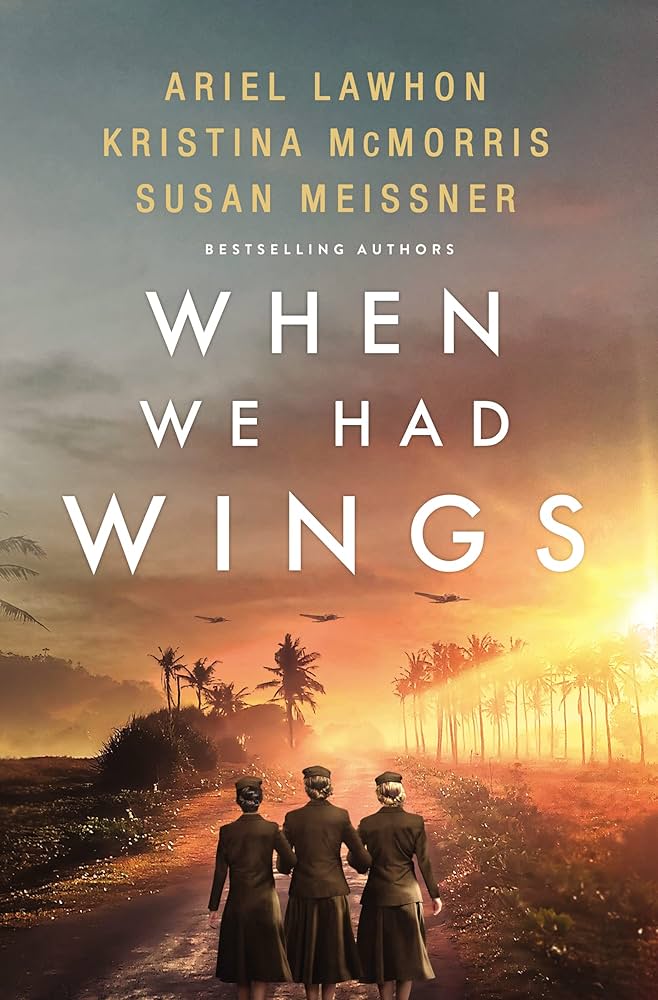
When We Had Wings
by Ariel Lawhon, Kristina McMorris and Susan Meissner
When We Had Wings is set during World War II, but not in the popular European theater where most WW2 books are set. This one is set in the Phillippines, and centers on three nurses, two from the States, and one from the Phillippines. Late in 2024, I began working for the American Association of Critical Care Nurses, one of my first assignments was to write some copy about a documentary about the history of Filipino-American nurses in the U.S. called Nurse Unseen and of course, it happened to be the same week that I was reading this book.
 Sravanthi Meka