
May is Historic Preservation Month, and as we near the end of spring in our wonderful state, I wanted to look back on all of the historic sites I’ve visited over this spring. March is also Phoenix Flies, an entire month of free tours of historic buildings and properties courtesy of the Atlanta Preservation Center. April brings us “the tournament,” the Dogwood Festival, and the Spring Ramble, tours of historic homes and properties from The Georgia Trust.
This year’s ramble took me to Athens, Georgia, where I went to college and lived for an additional 11 years. Fifteen years in Athens, and I never went into most of the buildings I got to see in April. Before I went Rambling in Athens, I looked back at the Phoenix Flies tours I did last in March.
The first tour of the month was of course, a church. Well, it was either that or a cemetery, if you know me!
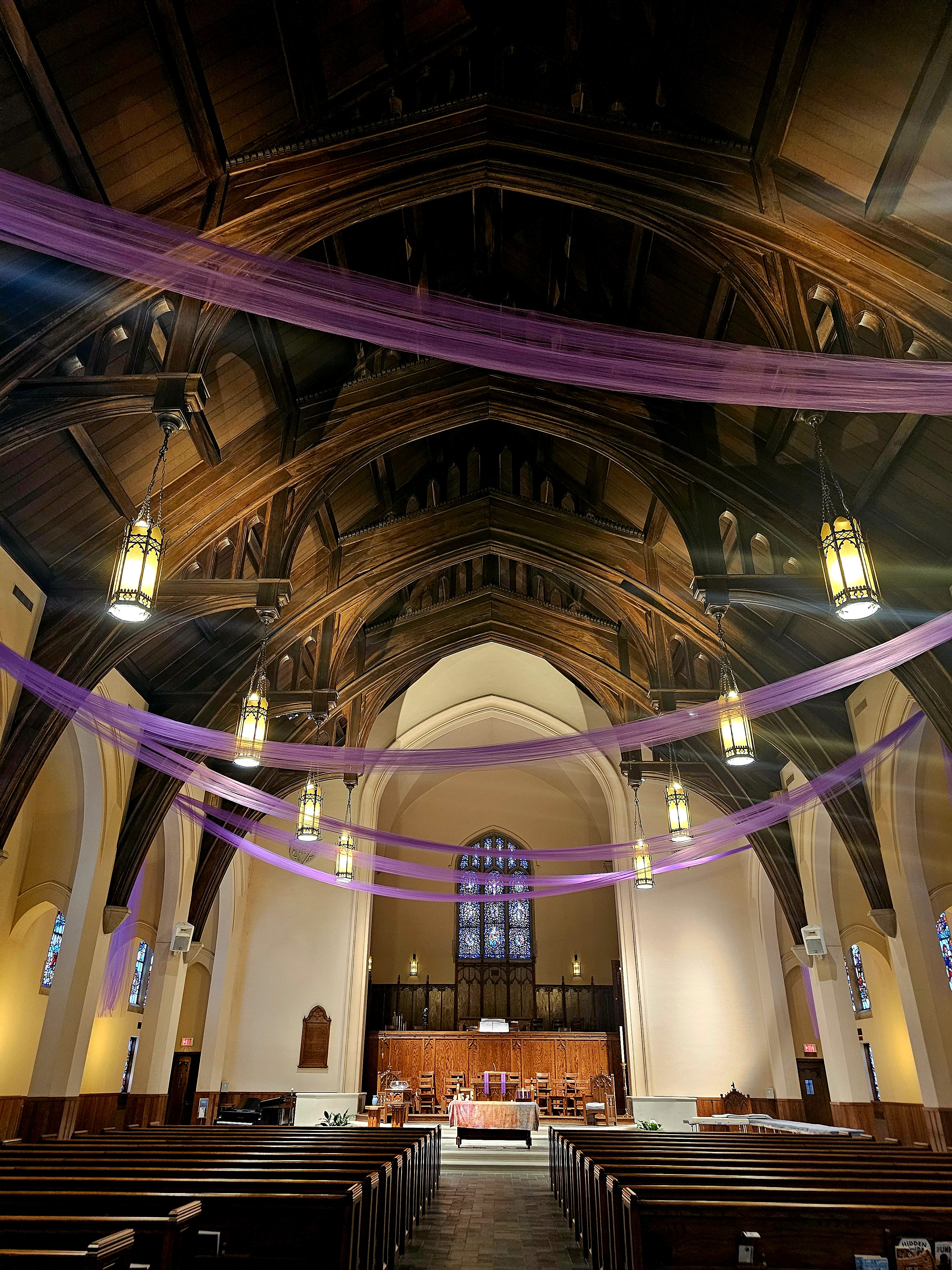
Druid Hills Presbyterian Church


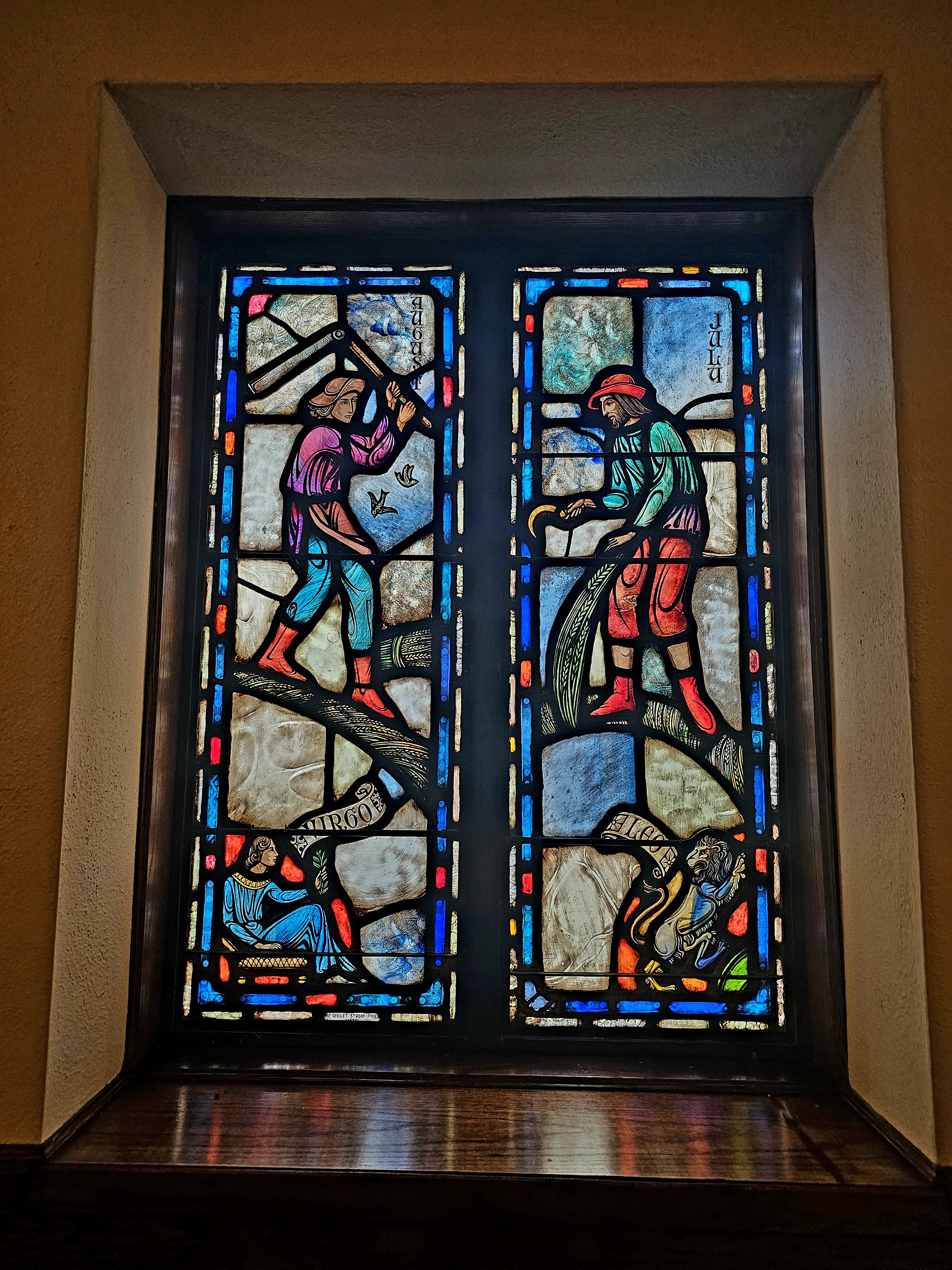
Stained glass designed by Henry Lee Willett of Philadelphia. The stained glass was hand-poured, hand-blown, hand-painted, and hand-cut.
The Aeolian Skinner organ was installed between 1938 and 1940 when the church opened, and we were regaled with a demonstration. Only 19 of these organs are left.
The guides pointed out The Apostles Window, where two boys supposedly threw a Coke bottle at the window in the 1970s. Replacement windows were not available at the time, so a blacked out piece of stained glass was used.

Otto’s Apartments & Hotel

Otto’s Apartments & Hotel was built in 1927 as Wynne’s Apartment Hotel, and served most recently as Highland Inn. Situated on Virginia Avenue in the middle of the Virginia-Highland neighborhood, you can envision the generations of Atlantans and visitors to Atlanta that came through these doors and walked the stairs. Original amenities of Wynne’s included a bowling alley, and an outdoor swimming pool.


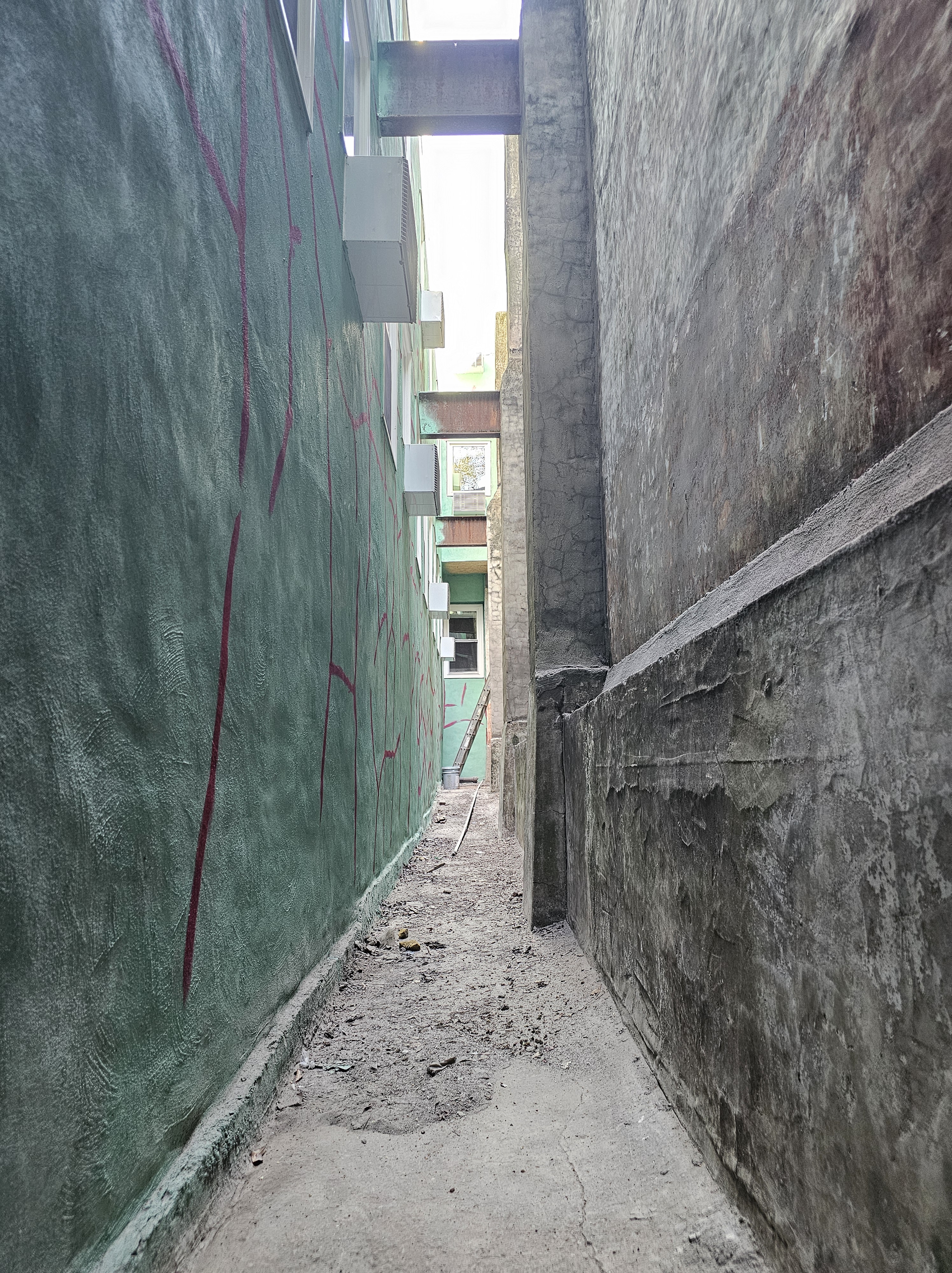
In its current state, Otto’s Apartments & Hotel are really apartments. The Hotel in the name is a nod to its previous history as a hotel, and Otto is a nod to the great uncle of Jason Moss, the first architect on the remodel. Otto immigrated here around the same time the building was built in 1927. Wynne wasn’t an option because of some hotel in Las Vegas (insert sarcasm font). The current apartments range from 225/250 s.f. to 320 s.f at $1350-1400/month to 500 s.f. units at $1700/mo.

Leila Ross Wilburn Midtown Buildings
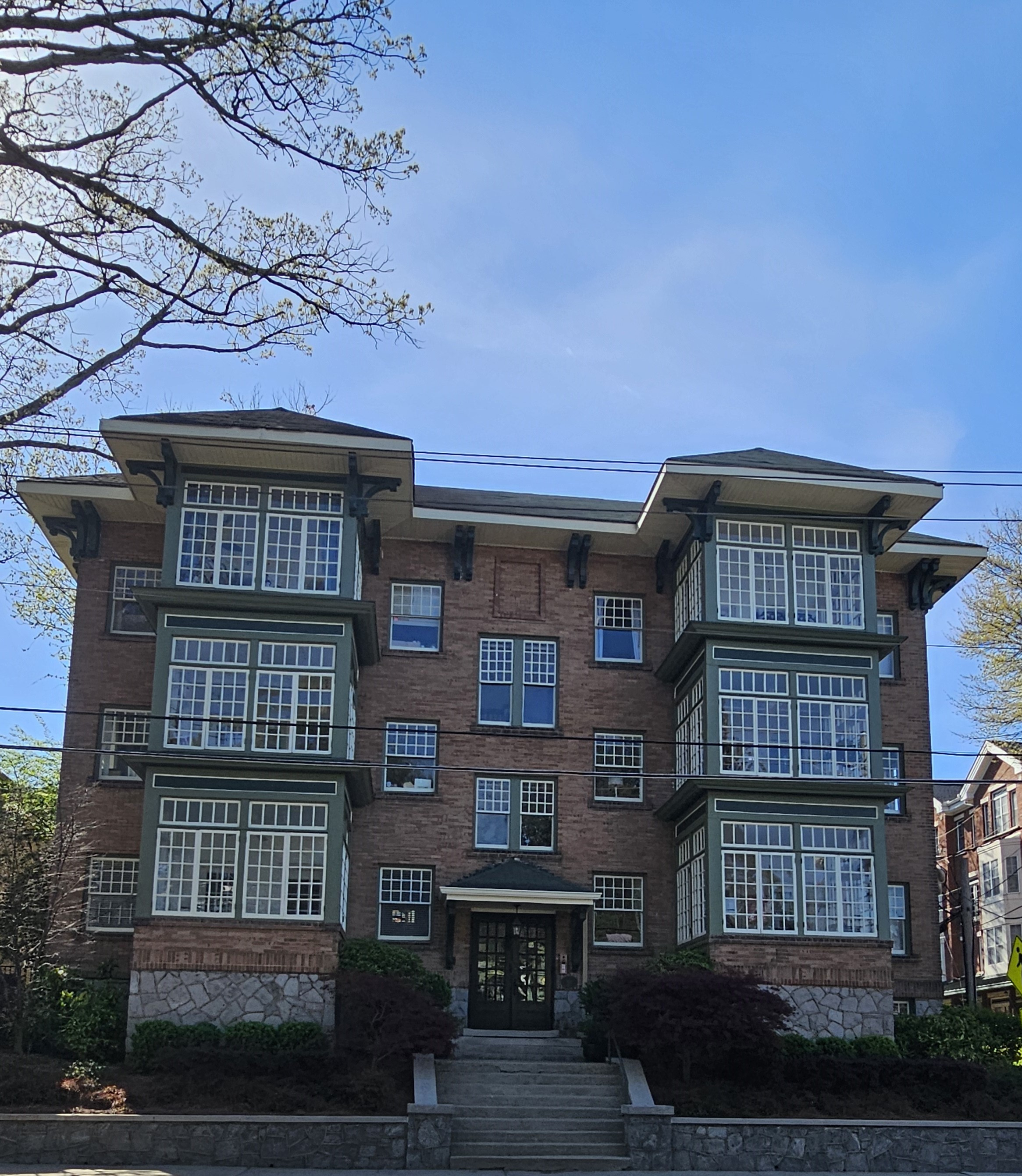
Leila Ross Wilburn was one of Georgia’s first female architects. Many of her homes survive today because she included her house plans in “plan books” and included budgets and a list of construction materials required within the books. Wilburn was known for creating functional spaces, such as windows in closets which allowed natural light, and practical storage space.

A resident of the Wilburn House condominiums, formerly known as the Piedmont Park Apartments, gave us a tour of the building and her own condominium. The three-story craftsman-style apartment building was built in 1913, and overlooks Piedmont Park. In 2000, they were turned into condos, and with two new buildings designed to match Wilburn’s original design, the complex was renamed Wilburn House.


We also toured the Stonehouse Place B&B on Piedmont, originally built for George Hinman in 1896, and remained within the family for over 100 years. Between its stint as a single family home for the Hinman descendants and its current role as a bed & breakfast, it was subdivided into apartments.

We also walked by The Nicholson House (817 Piedmont), a private residence, and The Elliott Condominiums across the street.
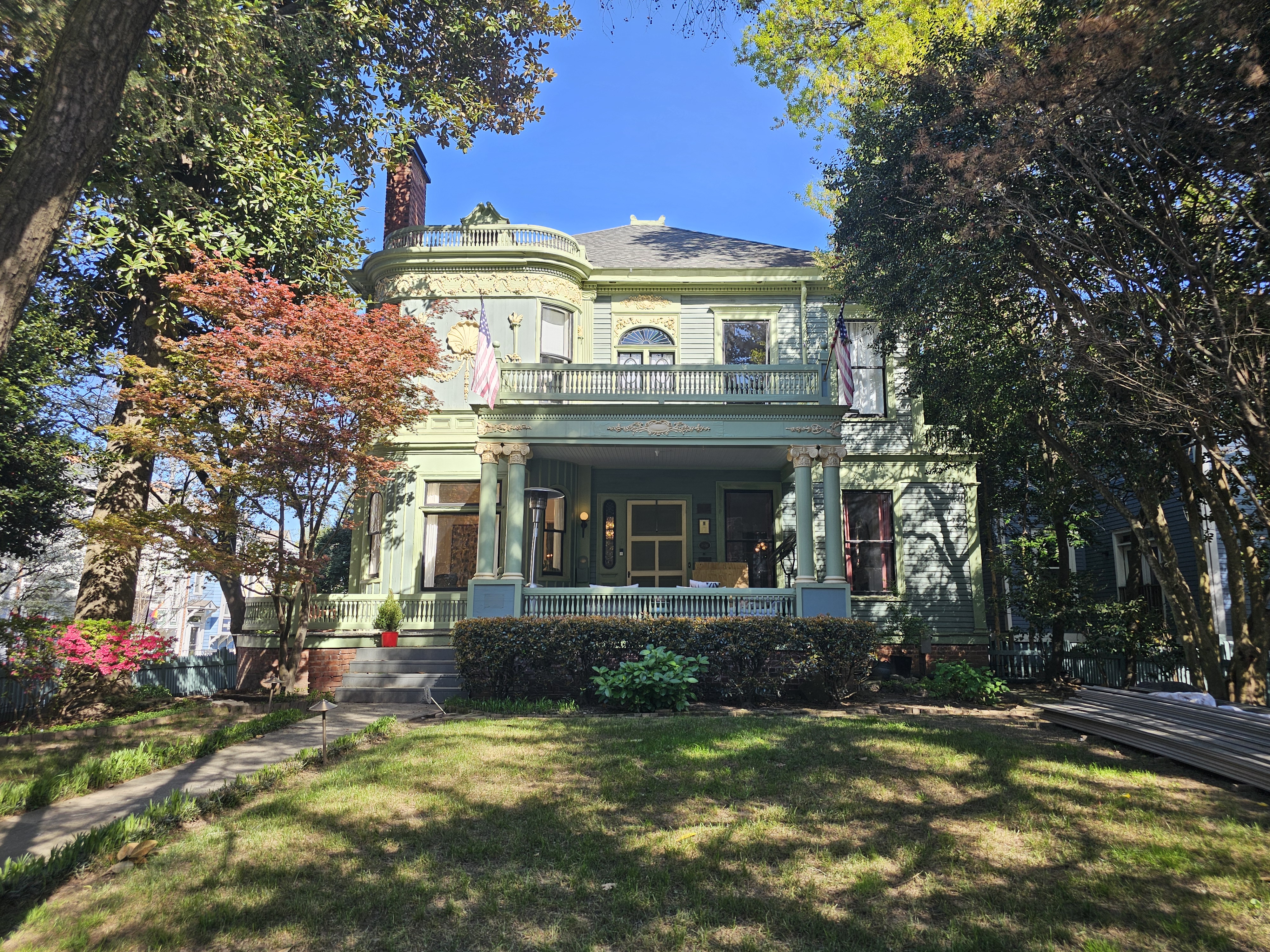
Other Wilburn homes include 815 Piedmont and 826 Penn. Our last stop of the day was Chatham Court on the corner of Piedmont and 3rd Street.
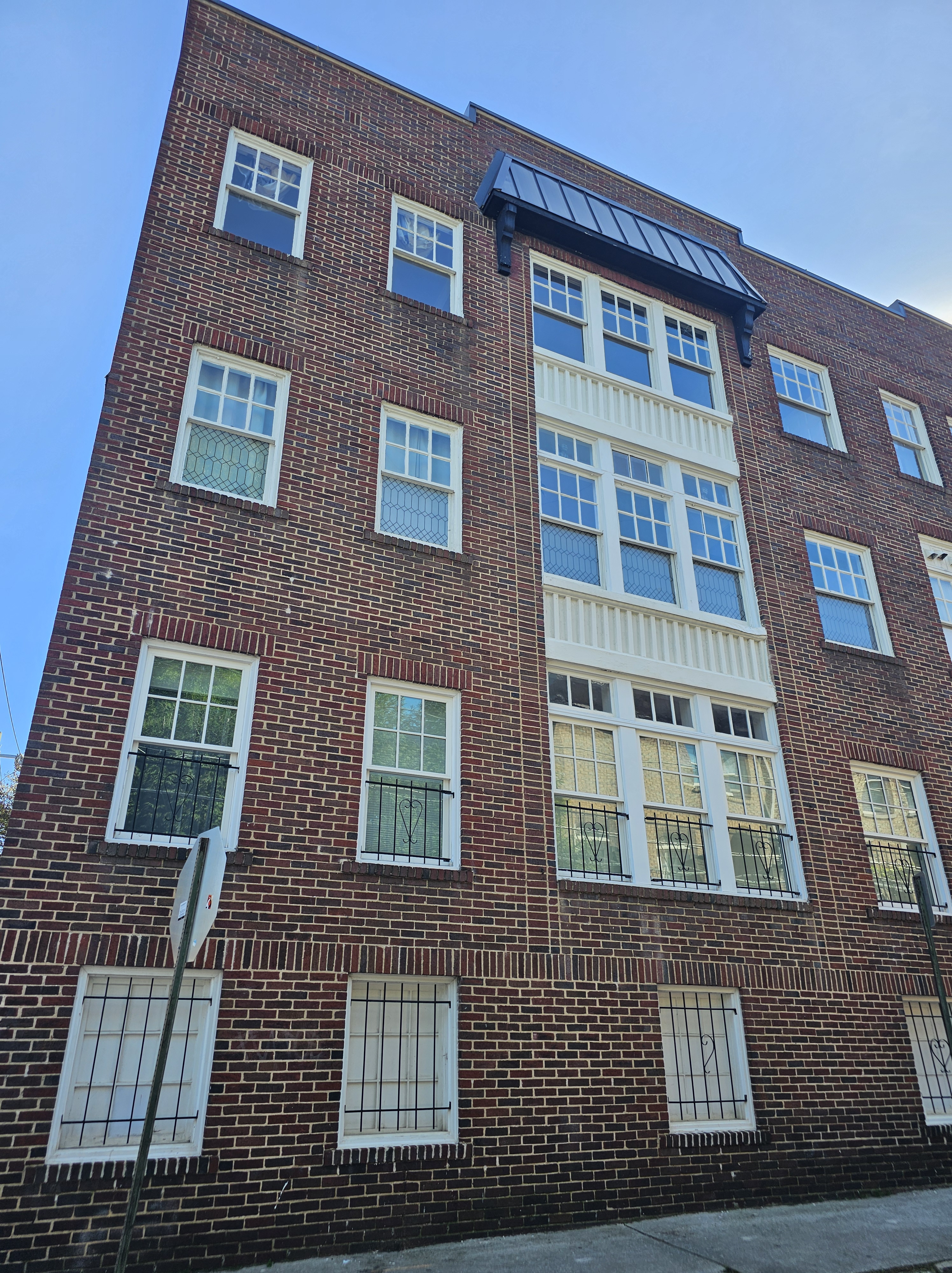

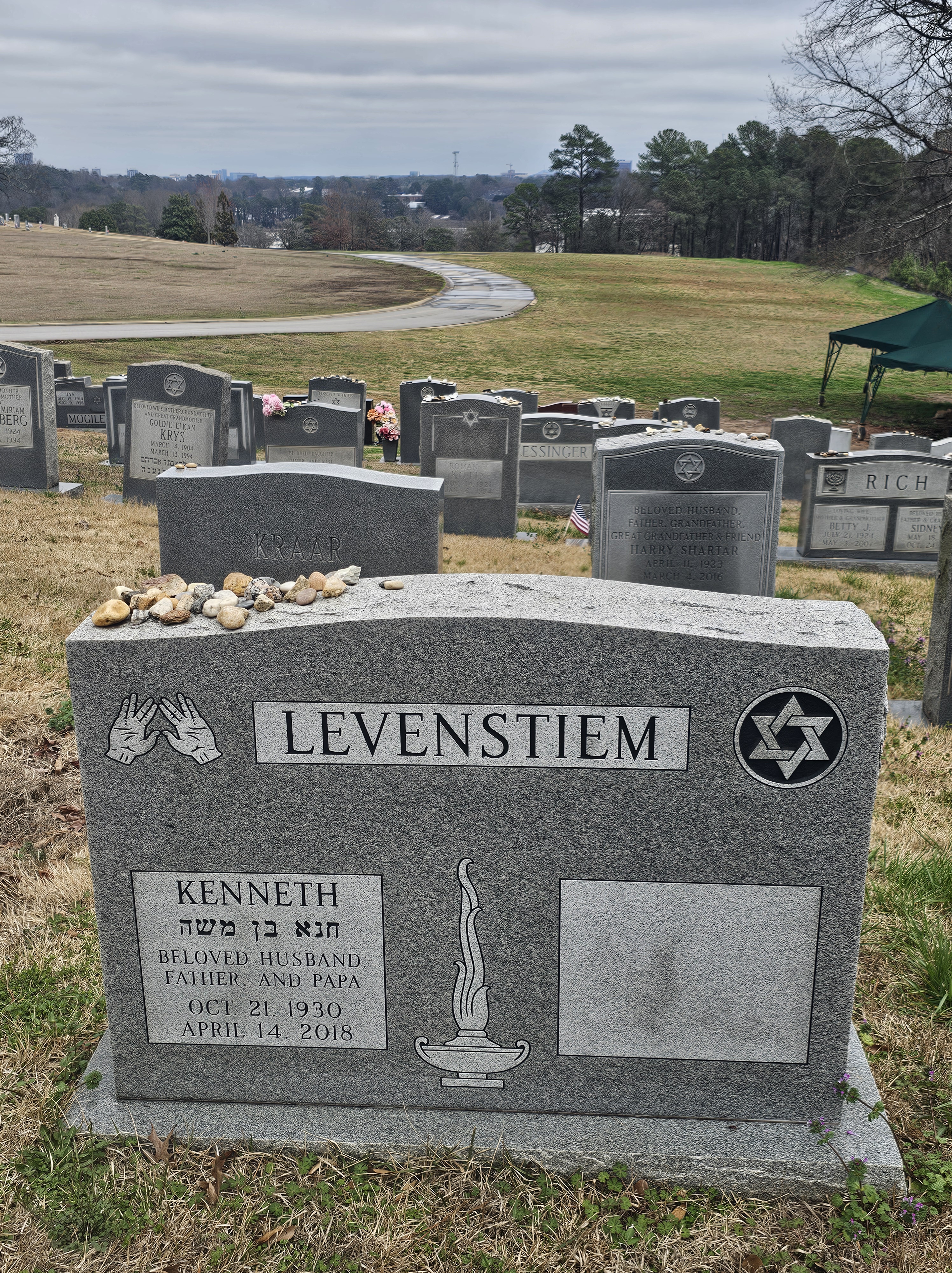
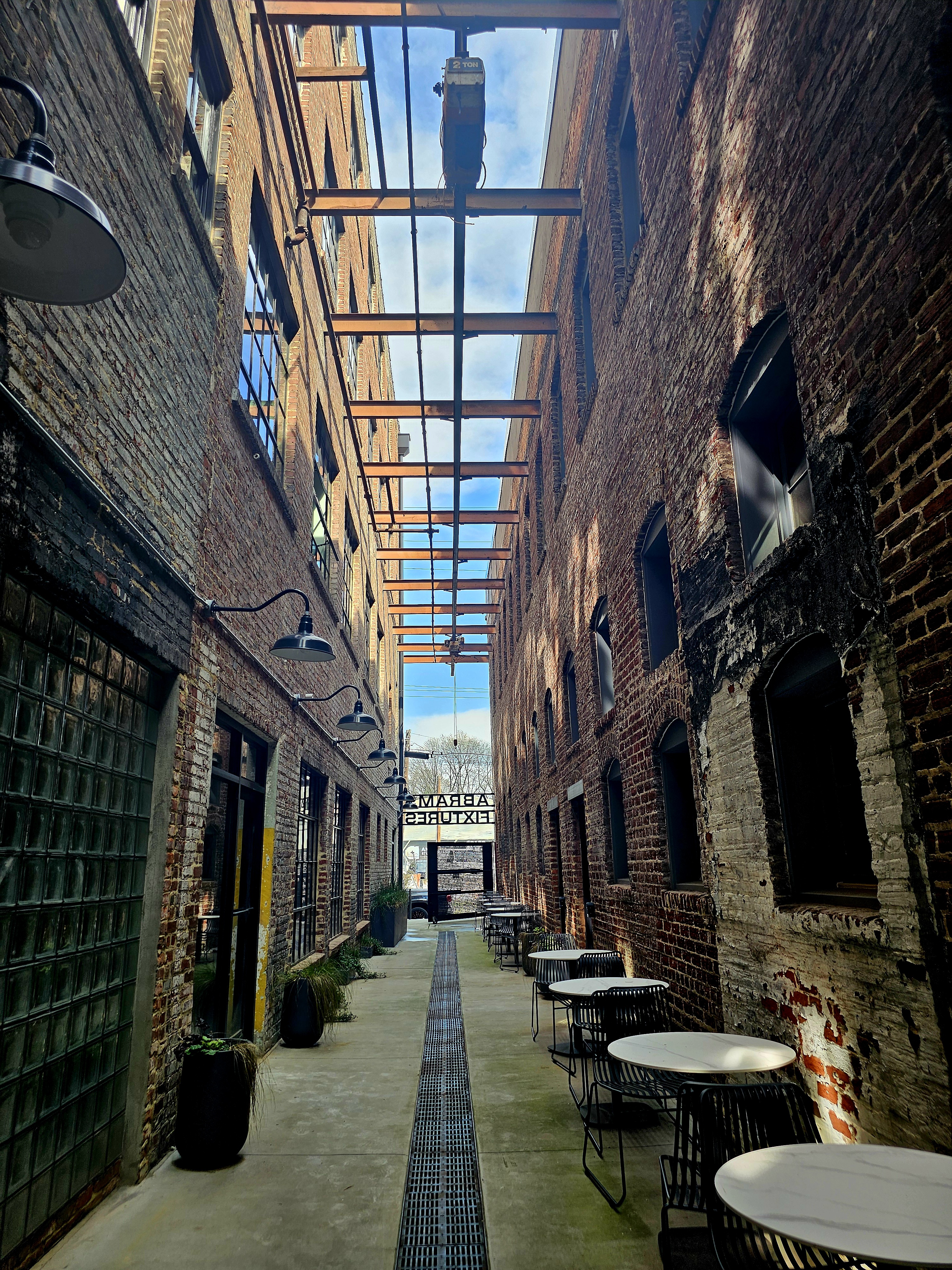
There were many more adventures and tours during Phoenix Flies, including Abrams Fixtures, Atlanta Tech Village’s plans for South Downtown, and a tour of Greenwood Cemetery’s Jewish section.

Ramble On, Athens!
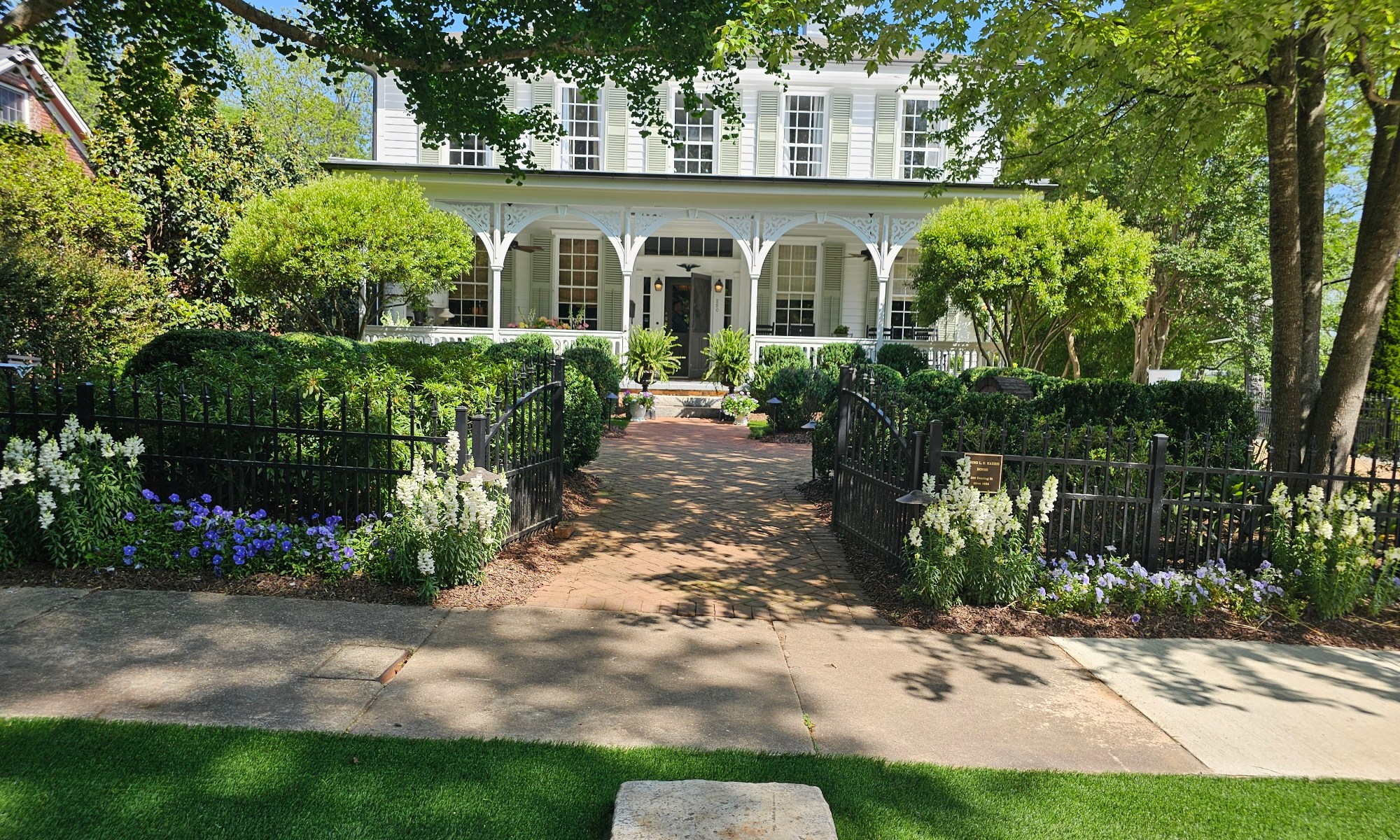
The Georgia Trust for Historic Preservation’s three-day tours of historic homes and buildings throughout Georgia take place every spring and fall. This spring took me back home to Athens. I love Dearing Street, so that’s where we started. I took Alana to meet The Tree That Owns Itself, and we began with this beauty in the Dearing Street Historic District, named after Young Harris, who lived in the home in the 19th century.

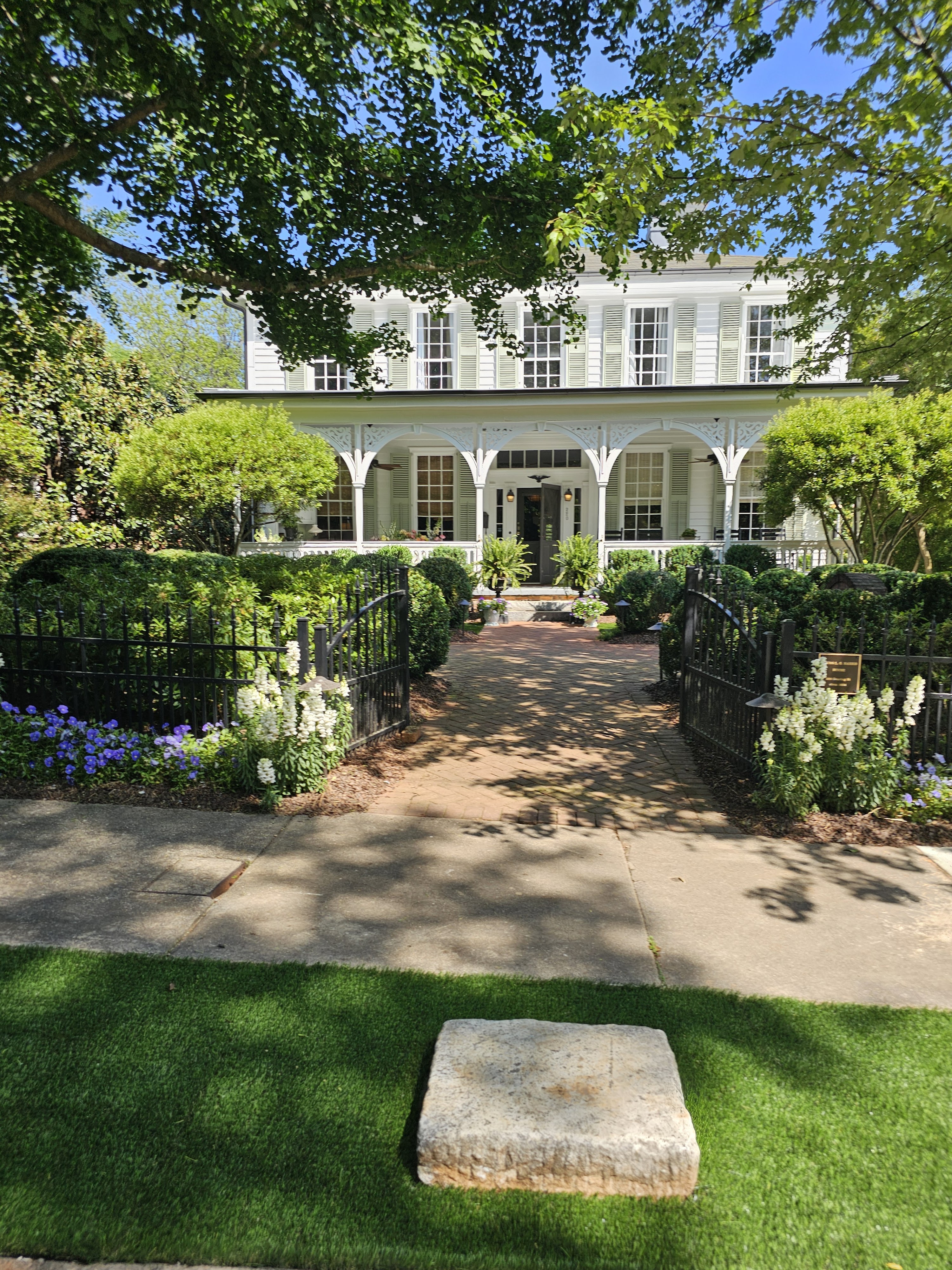


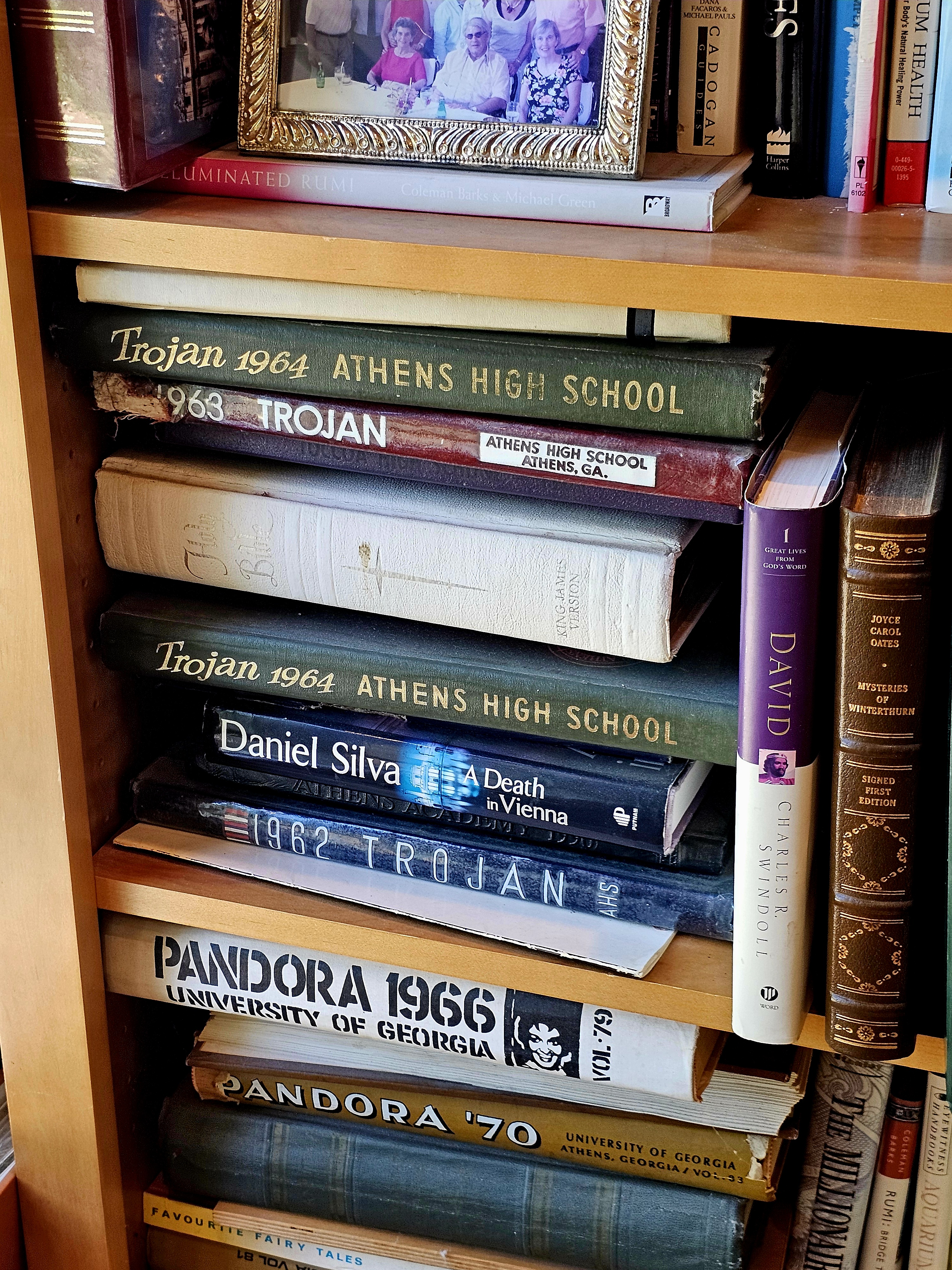
The Mell-Whitworth House was built in 1878 and is part of the Dearing Street Historic District. The Queen Anne was first occupied by George Mell, a local banker who married Bessie Rutherford (recognize any old school Athens names??). The home featured so many unique keepsakes (yearbooks!), and the owners served prosecco and cookies!


From Dearing, we moved onto Henderson Avenue, where the homes we saw were built in the 1850s. This house was first occupied by William Carr, then Robert Bloomfield, and by 1189, was purchased by Athens’ first mayor, Henry Beusse. We met one of Beusse’s descendants, who told us great tales about the home and his ancestor. Beusse was instrumental in Athens’ post-Civil War growth, and for the growth of the railroads around Athens after his term as mayor.
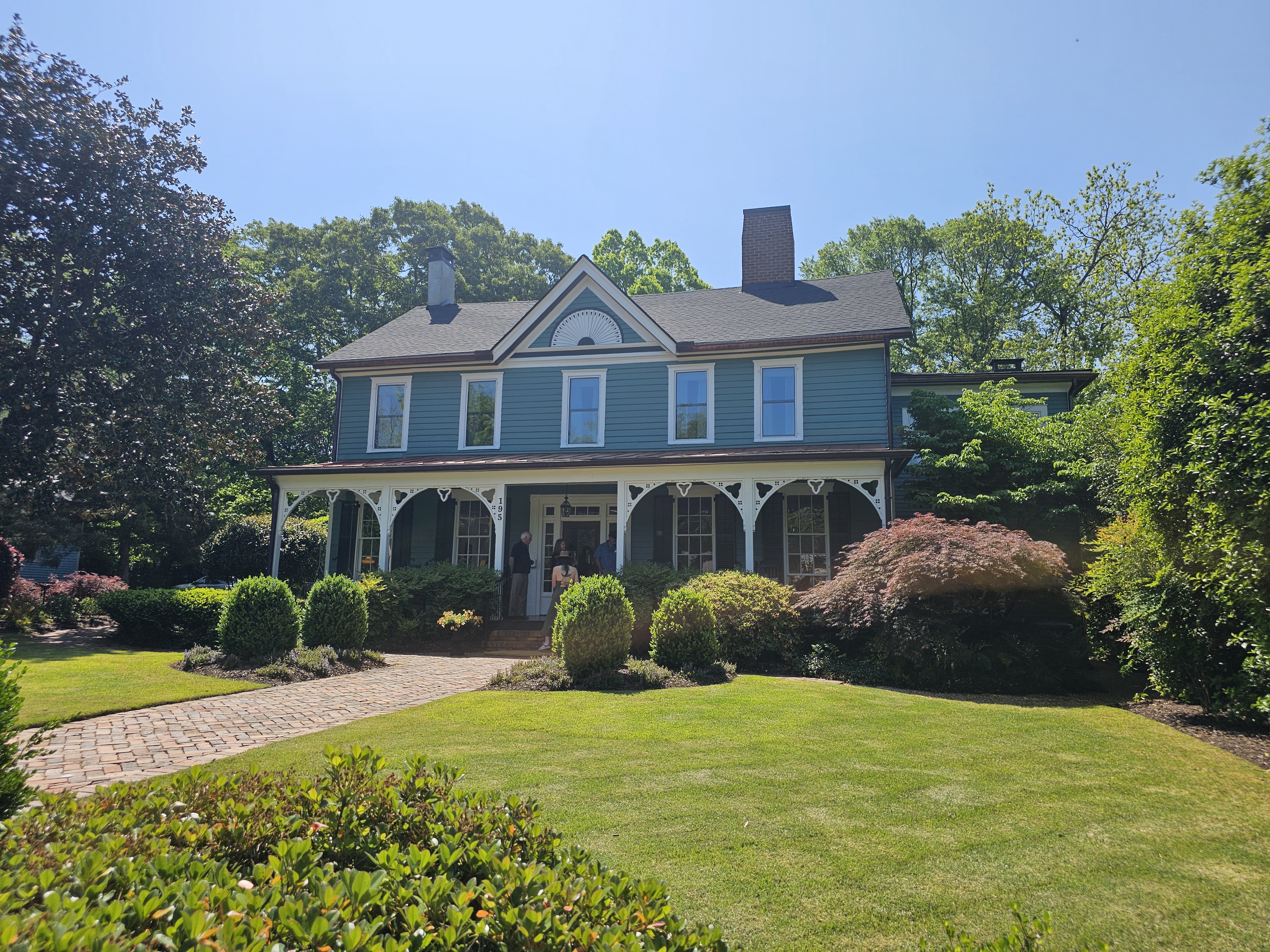
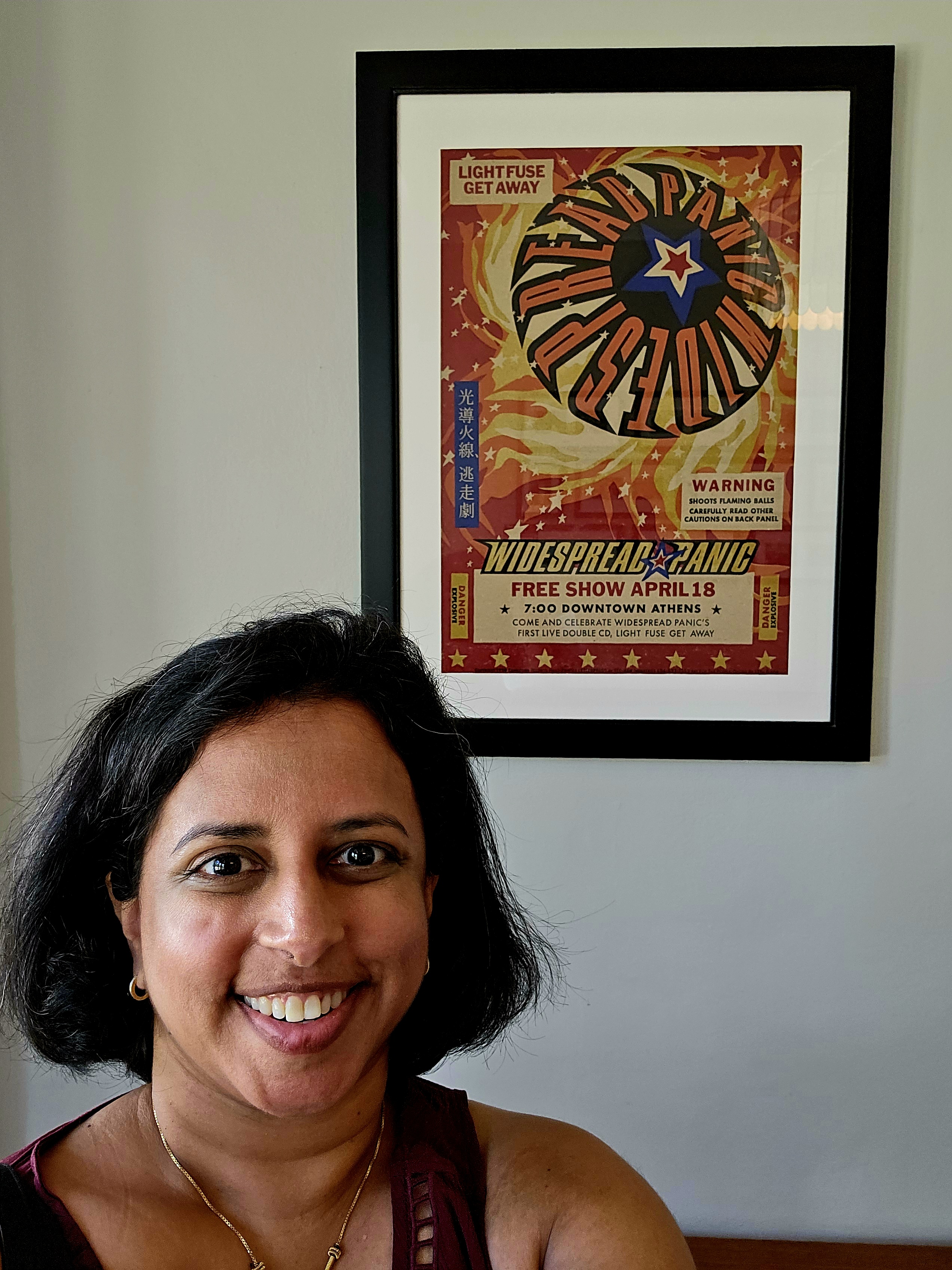
By the 1970s, it had been a boarding house and was in bad condition. It was saved from demolition in the 1970s, and fully restored by 2000. Another home on Henderson had a signed Widespread Panic print, which seemed apt since Panic in the Streets happened on April 18, 1998, 26 years and a day before I saw the poster. And of course, I can never pass up a bookshelf!


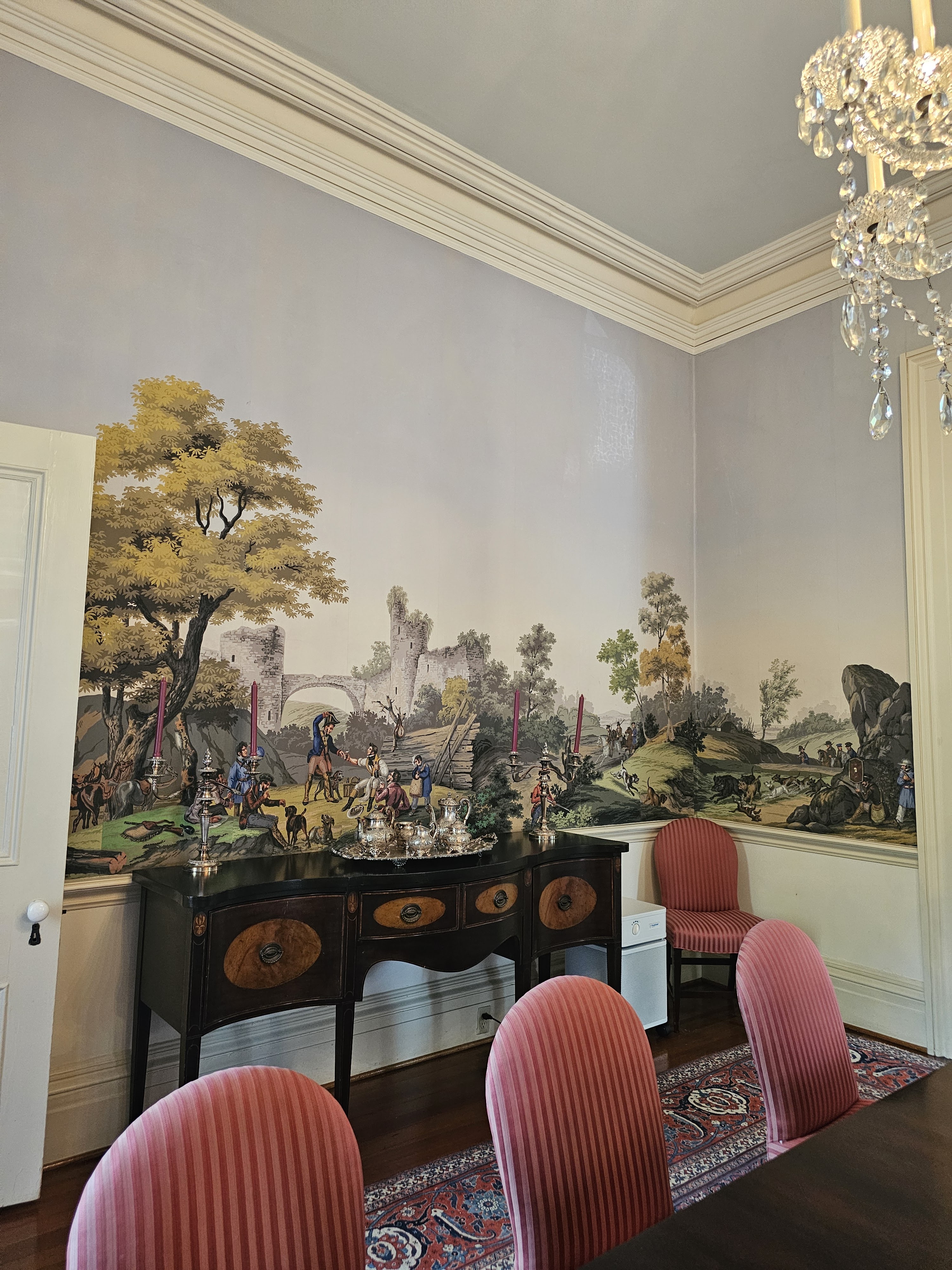
The piece de resistance Friday was The President’s House. Also known as the Grant-Hill-White-Bradshaw House, this Greek Revival was built in 1856. Its most famous resident was Benjamin Harvey Hill, a Georgia legislator who opposed secession and bought the house in 1876. Hill also owned another Greek Revival in LaGrange, Bellevue, which is now a museum.

The W.C. Bradley Foundation (from Columbus) purchased the house in 1949 and presented it to the University of Georgia as a home for its president. The University is selling the home, so hopefully it will be in the hands of someone that can appreciate its history and beauty!


The other house I was really looking forward to seeing was Coach Dooley’s house, but really it was the gardens I wanted to see! The Colonial Revival was built in 1959, and the Dooleys moved into the home in 1964 when he became the head football coach at UGA.

I was so happy to spend time with Barbara, whom I haven’t seen since I lived in Athens more than a decade ago. We talked about Coach’s garden, and my mom’s garden, and the Dooley Camellia that my mom had. She is a wonderful lady!


Dooley was not only a great football coach and athletic director, but also a master gardener! Even after he passed away in 2022, the gardens still look amazing. What I wasn’t expecting was the “Bulldog Room”. Multiple Penleys, every trophy from games and Coach’s accomplishments, bulldog statues that people sent him, watches and rings from bowl games and SEC championships and national championships, and even memorabilia from Florida, Auburn, and Tennessee (courtesy of Derek). It was like a museum for Coach Dooley.


 Sravanthi Meka